

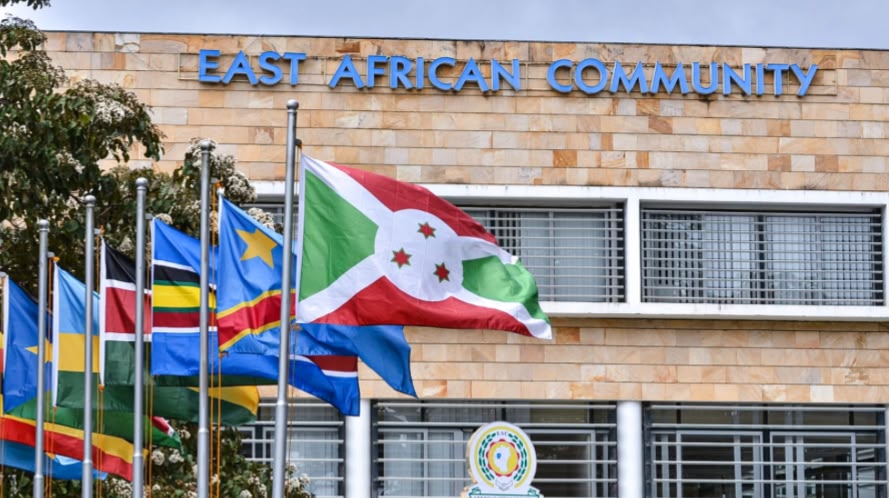
The East African Community (EAC) has announced 68 job vacancies across its organs and institutions, marking the bloc’s first major recruitment exercise since the Council of Ministers lifted a two-year hiring moratorium in August 2026.
The positions, advertised on Wednesday, November 25, are open to qualified citizens of EAC Partner States and range from senior leadership roles to mid-level technical and administrative posts. The application deadline through the EAC E-Recruitment System has not yet been publicly confirmed in the notice.
The recruitment drive follows a meeting of the EAC Council of Ministers held in Mombasa, Kenya, from August 18 to 21, 2026, where ministers approved a phased recruitment plan for the 2026/2027 financial year.
During the meeting, the Council directed the Secretariat to advertise 69 priority positions across all Partner States and commence the recruitment process without delay.
The hiring freeze had been in place since 2024 due to financial constraints, leaving critical positions vacant across the Community’s organs.
According to a Council report, 164 of the EAC’s 439 legally established positions were vacant due to retirements, resignations and expired contracts, with the deficit projected to rise to 203 before the end of 2027.
The discrepancy between the 69 positions approved in August and the 68 advertised in November was not immediately explained in the notice.
The advertised vacancies include several senior leadership positions, among them Executive Secretary, Counsel to the Community, Registrar of the East African Court of Justice (EACJ), Registrar of the East African Court of Appeal (EACA) and directors overseeing Finance, Social Sectors, Trade, Monetary Affairs, and Political and International Relations.
Other opportunities include Principal Officers in Customs, Energy, Environment, Gender, Internal Audit and Communications, as well as Senior Analysts for Mergers and Acquisitions and Cartels and Monopolies.
The recruitment list also features administrative and support positions such as Receptionist/Office Attendant, Accounts Assistant and Personal Secretary.
The recruitment process will be conducted entirely through the EAC E-Recruitment System, replacing the traditional paper-based approach that previously required delegates from Partner States to spend up to 35 days shortlisting applications and another 21 days conducting face-to-face interviews.
Under the Council’s approved framework, the electronic system will screen applications and generate preliminary shortlists using predetermined criteria.
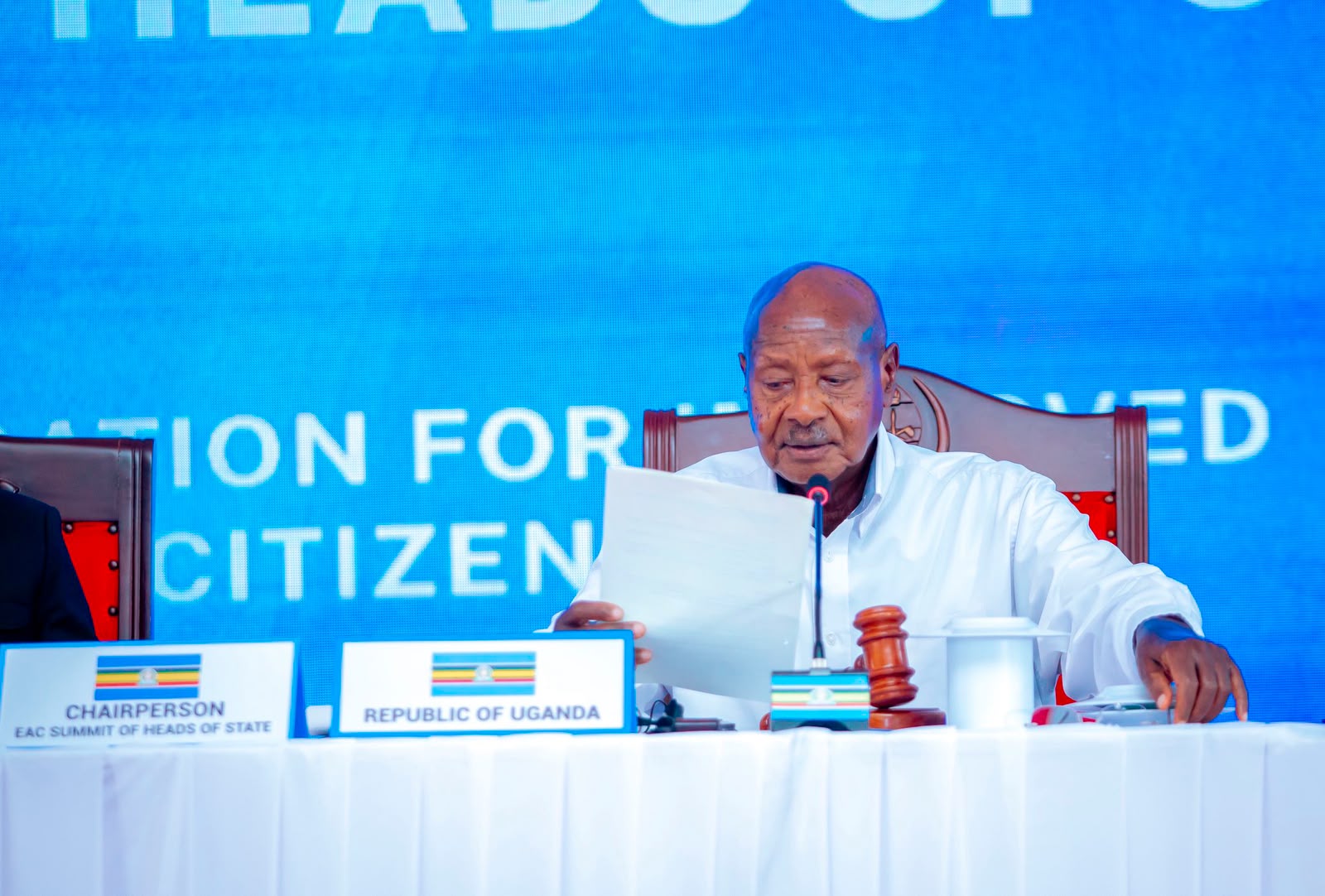
Successful applicants will then sit standardised examinations administered by designated institutions in Partner State capitals. Only the three highest-ranked candidates from each country, totalling 24 candidates per position, will proceed to final interviews conducted virtually.
The new system is expected to save the Community more than $495,000 (approximately Ksh64 million) compared with conventional recruitment procedures.





“The selection systems and criteria will be shared with partner states well in advance of the recruitment process. These same criteria will be programmed into the electronic system to generate the initial candidate shortlist, ensuring transparency, impartiality, and preventing unfair discrimination,” the Council report stated.
The EAC notice emphasised that applicants must be citizens of Partner States, possess academic qualifications recognised by relevant national accreditation bodies and comply with professional registration requirements where applicable.
Internships, industrial attachments and apprenticeships will not count as relevant work experience.
Applicants must also not exceed 55 years of age at the time of application, in accordance with EAC Staff Rules and Regulations. Applications submitted outside the official E-Recruitment System will not be considered.
The regional bloc warned job seekers against individuals demanding money in exchange for employment, clarifying that it does not charge applicants at any stage of its recruitment process.
The EAC stated that it “does not charge any fees at any stage of its recruitment process” and that all interview invitations will be communicated in writing through official channels.
“The EAC is an equal opportunity employer and is committed to diversity and inclusion. Qualified female candidates are particularly encouraged to apply,” the notice added.
The staffing crisis at the EAC has been building for years, with the moratorium imposed in 2024 amid financial difficulties. Positions vacated through retirement or contract expiry remained unfilled, while some staff had their contracts terminated due to a lack of funds to pay salaries.
The phased recruitment plan approved in August outlines three stages. The first, covering the 2026/2027 financial year, targets priority positions. The second phase in 2027/2028 will cover positions expected to become vacant by July 2027, while the third will address the remaining vacancies after 2027.
The Council also directed that 11 positions be reserved for Somali nationals following a request by the Federal Republic of Somalia for special affirmative consideration as a new EAC member.
The recruitment exercise is expected to strengthen the capacity of EAC organs to implement the Community’s 7th Development Strategy, launched by the Summit of EAC Heads of State in March 2026.
Interested candidates should visit https://www.eac.int/ to access the E-Recruitment System, review the available job descriptions and requirements, and submit their applications alongside an updated CV, certified academic and professional certificates, and a copy of their National ID or passport.
