

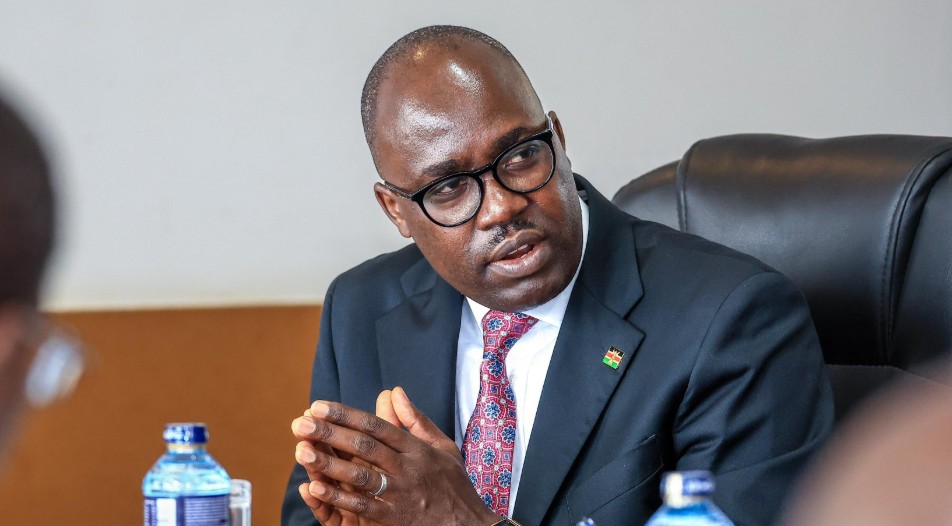
Kenya has called on the Commonwealth to mediate the escalating dispute over slavery reparations after the United Kingdom confirmed it will not pay financial compensation for its role in the transatlantic slave trade, even as it leaves the door open to a formal apology.
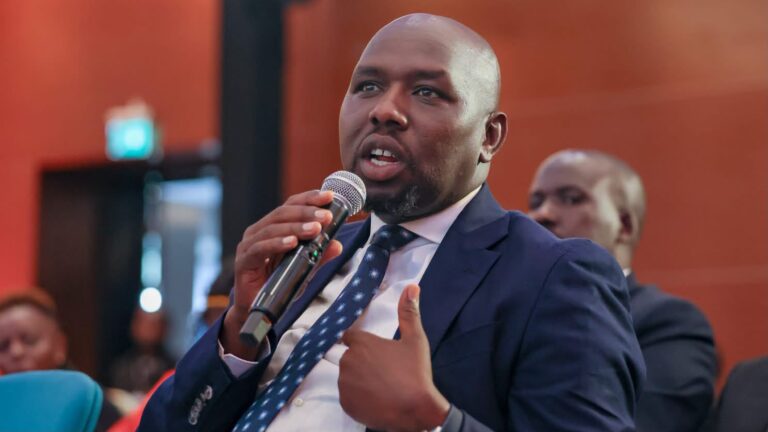
Korir Sing’Oei, Principal Secretary for Foreign Affairs, said the disagreement between Britain and its former colonies should be resolved within the Commonwealth framework rather than through bilateral confrontation.
His intervention followed pointed criticism from Russia’s embassy in Nairobi, which accused London of offering words without substance.
“This is a matter for the Commonwealth family to resolve,” Sing’Oei said, according to Kenyan media reports, distancing Nairobi from a direct bilateral clash with London while keeping the pressure on for collective action.
The call came in the wake of the Commonwealth Heads of Government Meeting (CHOGM) in Antigua and Barbuda, which concluded this week with a communiqué that welcomed Britain’s agreement to engage in “structured, time-bound, inclusive and good-faith dialogue” on the historical harms of the transatlantic trafficking of enslaved Africans. Kenya was represented at the summit by Deputy President Kithure Kindiki.
However, the goodwill generated by that commitment has been tempered by London’s firm position on financial compensation. Prime Minister Andy Burnham told fellow leaders that while he was “open” to a formal apology, reparations were “not the right answer”.
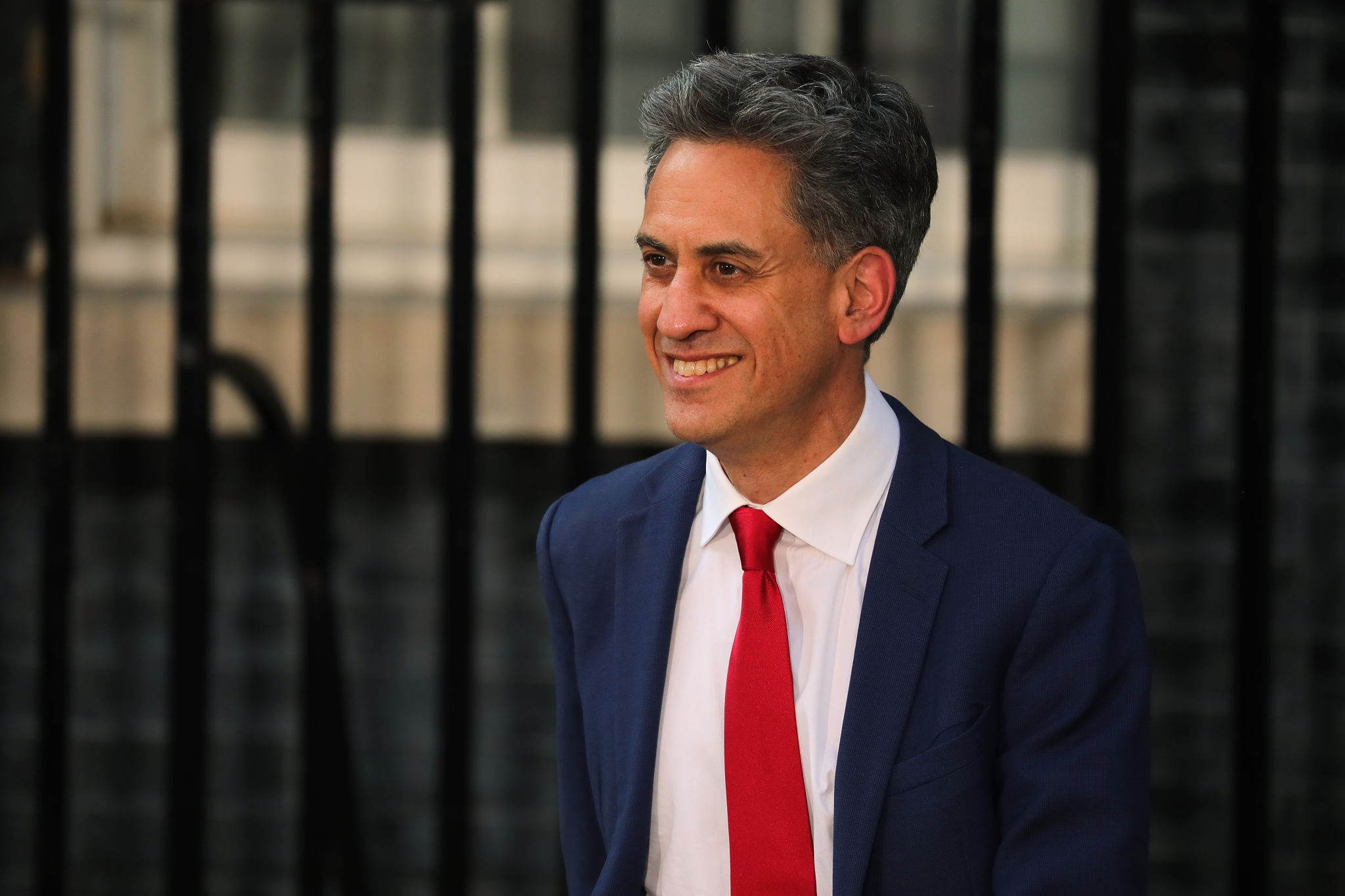
Foreign Secretary Ed Miliband reinforced the position, telling the BBC that financial reparations were “not practical” and “not feasible,” insisting that an apology would not bring additional costs for British taxpayers.
“I do not think that British people today can be held liable for historical wrongs, however heinous, that happened in a different age under different laws and in which they played no personal part,” Burnham wrote in a piece for the Guardian ahead of the summit.
The diplomatic temperature rose further when the Russian embassy in Nairobi weighed in, arguing that an apology alone would not compensate for the enduring consequences of slavery.
The intervention added a geopolitical dimension to a debate that had traditionally been framed within the Commonwealth and CARICOM blocs.
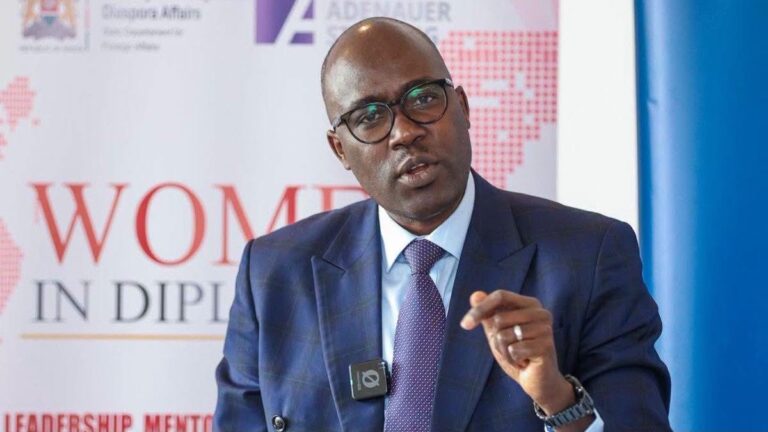
Sing’Oei’s response sought to keep the issue within the Commonwealth framework. However, pressure from African and Caribbean nations remained intense.
The African Union designated 2025 as the “Year of Reparations” and outlined a decade-long push from 2026 to 2036 to advance reparatory justice policies in partnership with CARICOM.
The reparations question had remained a subject of debate within the Commonwealth for decades, but it reached a boiling point at the previous summit in Samoa in 2024, which Miliband candidly described as a “verbal punch up” over the issue.
Britain had never formally apologised for its role in the slave trade, in which more than three million people were shipped with the complicity of the British state, according to figures cited by Miliband.
Previous governments had offered expressions of “deep sorrow and regret”, most notably former Prime Minister Tony Blair in 2007, but had consistently stopped short of a formal state apology or financial redress.
King Charles III, speaking at the opening of the summit in his capacity as head of the Commonwealth, described the slave trade as a “shameful chapter of history” that “fills my heart with horror and my soul with the most profound personal sorrow”.
However, Buckingham Palace clarified that the monarch’s role was “inspiring and convening, rather than policy making,” distancing the Crown from expectations that he would intervene in the political dispute.
Britain was also advancing a “debt reset” proposal for poorer Commonwealth nations, which Downing Street argued was a more practical way to address historical inequities than direct cash transfers.
Burnham had also committed to establishing two new task forces on critical minerals and trade investment, which were expected to report at the next summit.
However, for Kenya and its African allies, the question of financial accountability remained unresolved. The structured dialogue agreed in Antigua was expected to run for up to twelve months, with Miliband suggesting that a formal apology could come around November 2027, when Britain was scheduled to host the G20 summit in Manchester.
