

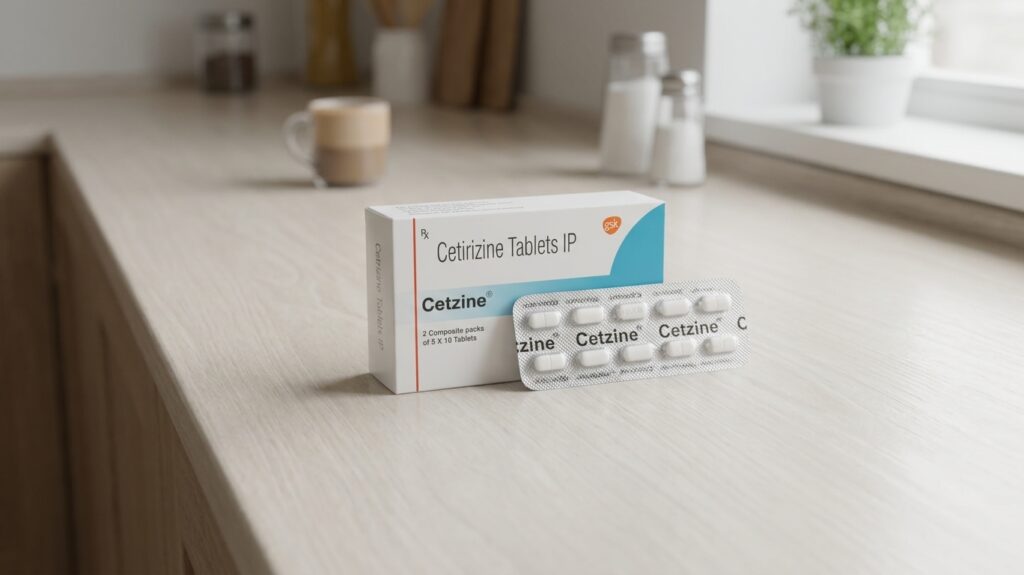
The Pharmaceutical Society of Kenya (PSK) has issued an urgent public warning against a dangerous social media trend that encourages women to insert cetirizine tablets into the vagina for purported “tightening” effects, as health authorities grapple with reports of panic buying, price gouging, and severe medical risks associated with the practice.
The professional body representing Kenyan pharmacists released a statement on Thursday condemning the unverified claims, which have circulated widely on platforms like X and TikTok in recent days, falsely suggesting that the oral antihistamine can reduce natural lubrication to create a sensation of tightness during intercourse.
In its statement, the PSK clarified the legitimate uses of the medication and warned of the severe consequences of off-label application. “Cetirizine is an allergy medicine, taken by mouth. It blocks histamine to relieve sneezing, a runny nose, itchy eyes, and itchy skin reactions such as hives. It is not approved or tested for any other purpose, and definitely not for vaginal use,” the society stated.
“Dryness is not tightness. The perception that vaginal dryness is equivalent to vaginal tightening is medically inaccurate. Although antihistamines may cause dryness as a side effect, reduced lubrication does not strengthen vaginal muscles or alter vaginal anatomy. Instead, it may increase friction, discomfort, and the risk of tissue injury.”
The PSK’s intervention followed mounting concern from the Ministry of Health, which earlier warned that the viral trend was influencing members of the public to misuse medicines.
Principal Secretary for Medical Services Dr. Ouma Oluga addressed the issue during a High-Level Health Products and Technologies Stakeholder Meeting in Nairobi, noting that casual online discussions were driving dangerous experimentation.
“I saw people discussing this medicine in a manner that is like a joke, but this also influences some sections of the public to misuse products and medicine,” Oluga said.

The Ministry indicated it was considering developing a tracking system to monitor purchases of the drug to prevent further misuse, with Oluga stating, “What we can assure Kenyans is that we can develop a system that can trace everyone, for instance, who has gone to buy cetirizine”.
Medical experts have reinforced the PSK’s warnings, explaining the physiological dangers of the practice. The PSK statement emphasized that inserting oral tablets was unsafe because “their ingredients have not been tested on delicate vaginal tissue,” a point echoed by gynecologists who have previously cautioned against similar practices.












Canadian gynecologist Dr. Jen Gunter has written extensively on the risks, noting that “inserting an oral antihistamine directly into the vaginal canal carries severe risks, starting with severe friction, tissue trauma, and micro-tears,” which can increase vulnerability to sexually transmitted infections, including HIV and HPV.
The PSK further warned that “common medicine” does not mean “harmless medicine,” urging the public to rely on professional guidance rather than social media for medical advice.
The society also addressed the economic impact of the trend, noting reports of increased demand and stock shortages. “PSK is aware of reports of increased demand, price rises and stock shortages in some outlets. We urge pharmacies to keep to ethical pricing and to ensure that patients who genuinely need cetirizine for allergies are not left without their medicine,” the statement read.
Local pharmacists in Nairobi reported that prices had tripled amid panic buying, creating access barriers for individuals who rely on the medication for legitimate allergy relief.
For those who may have already experimented with the practice, the PSK offered clear guidance. “Stop. See a doctor if you have pain, bleeding, burning, itching, unusual discharge, or fever. Your health matters, and you will be treated with respect and without judgement.”
The society also called on media and content creators to exercise responsibility, urging that information relating to medicines be “evidence-based, and communicated in a manner that protects rather than endangers the public.”
The Pharmacy and Poisons Board has similarly urged the public to report any suspected adverse reactions through its pharmacovigilance system, emphasizing that safety monitoring continues after a product receives market approval.
