

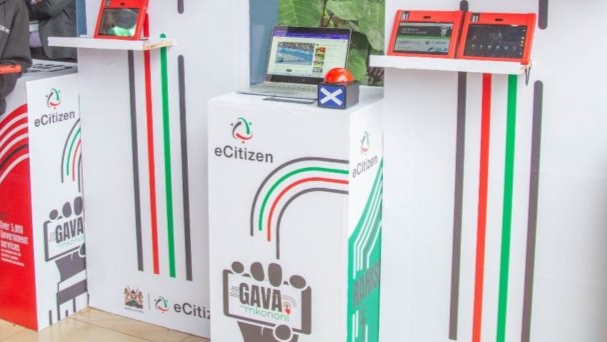
The National Treasury has announced that the eCitizen platform, Kenya’s primary digital gateway for government services, will undergo scheduled maintenance over two consecutive weekends in November 2026, temporarily disrupting access to thousands of services.
In a public notice dated November 5, the Treasury’s Government Digital Payments Department stated that the platform would be offline from 10:00 p.m. to 5:00 a.m. on both Saturday, November 7, and Saturday, November 14.
The seven-hour windows are intended to facilitate system upgrades, enhance security, and improve overall performance.
“The National Treasury, through the Government Digital Payments Department wishes to notify members of the Public, Stakeholders, and all system users that scheduled maintenance will be undertaken on the e-Citizen Platform to facilitate system upgrades, improve performance, enhance security, and ensure the continued reliability of services,” the notice read.
During the maintenance periods, users were expected to experience temporary service interruptions or limited access to the platform and its associated services. The Treasury advised Kenyans to plan ahead and complete urgent transactions before the shutdowns began.
“Users are therefore advised to plan accordingly and, where possible, complete any urgent transactions before the commencement of the maintenance exercise,” the notice added.
The Treasury also issued an apology for the anticipated inconvenience, expressing appreciation for public patience as it undertook the upgrades.

The scheduled maintenance followed a year marked by intermittent technical disruptions and significant regulatory changes for the eCitizen platform.
In March 2026, the system experienced login failures and missing user data, while motorists attempting to renew driving licences saw M-Pesa payments stuck in pending status.










Later, in August 2026, taxpayers faced roughly three days of difficulties generating eTIMS invoices through the platform.
The November upgrade appeared aimed at resolving the underlying synchronisation and reliability issues behind these recurring failures. It also coincided with a broader governance shift.
In October 2026, the National Treasury formally assumed responsibility for managing the platform following parliamentary scrutiny over its ownership and revenue handling.
The Treasury had since proposed the Public Finance Management (eCitizen System Management) Regulations, 2026, seeking to establish a clear legal framework for the platform’s ownership, hosting, administration, and maintenance.
The draft regulations, which were open for public comment earlier this year, also introduced a tiered convenience fee structure to replace the previous flat fee that was struck down by the High Court.
The eCitizen platform currently hosts over 20,000 government services, spanning passport applications, business registration, land transactions, and tax payments.
It also serves as the central revenue collection gateway for both national and county governments, with daily collections having risen substantially from the manual era.
