
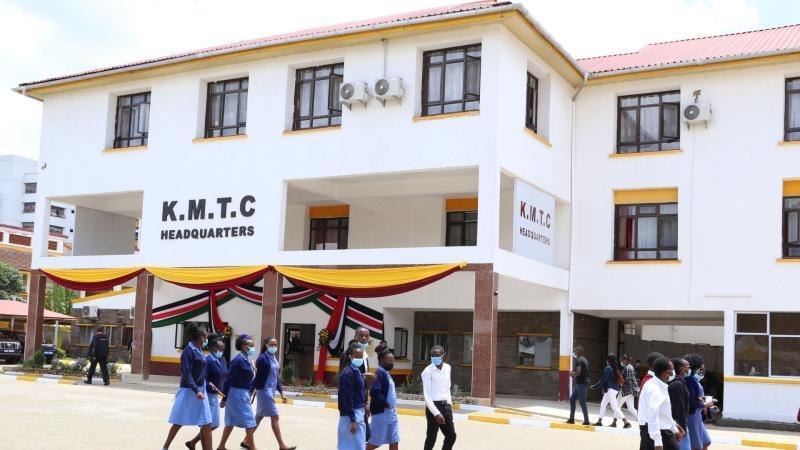
Approximately 20,000 students placed at the Kenya Medical Training College (KMTC) through the national placement service fail to take up their admission slots during every intake cycle because they cannot afford training fees, the institution’s chief executive has revealed.
The disclosure was made on Thursday, November 5, when KMTC CEO Dr. Kelly Oluoch appeared before the National Government Constituencies Development Fund Committee in Parliament to seek lawmakers’ intervention in securing Higher Education Loans Board financing for KMTC trainees.
Oluoch explained that the root of the crisis was administrative, with KMTC operating under the Ministry of Health rather than the Ministry of Education, which oversees the government’s higher education financing framework.
Consequently, its 89,586 students are excluded from the Ksh 300 billion education financing package that benefits learners in other tertiary institutions.
He told the committee that KMTC trainees should not be forced to change the ministry under which the institution operates to qualify for government funding, arguing that national financing legislation should recognise them as post-secondary students entitled to equitable state support.
“KMTC should not have to leave the Ministry of Health to get funded. National financing legislation should recognise KMTC trainees as post-secondary students deserving equitable state funding,” Oluoch told the committee.
The scale of the problem was highlighted by figures from the March 2026 intake, when the Kenya Universities and Colleges Central Placement Service (KUCCPS) advertised 21,774 KMTC vacancies across 36 programmes and 98 campuses.
The approximately 20,000 unclaimed slots during each cycle reflected the extent to which financial difficulties prevented placed candidates from joining the institution.
Committee members expressed concern over the double loss created by the funding gap, noting that financially disadvantaged students surrendered their admission places while other qualified applicants who could afford the fees were locked out because the slots had already been allocated during the placement process.
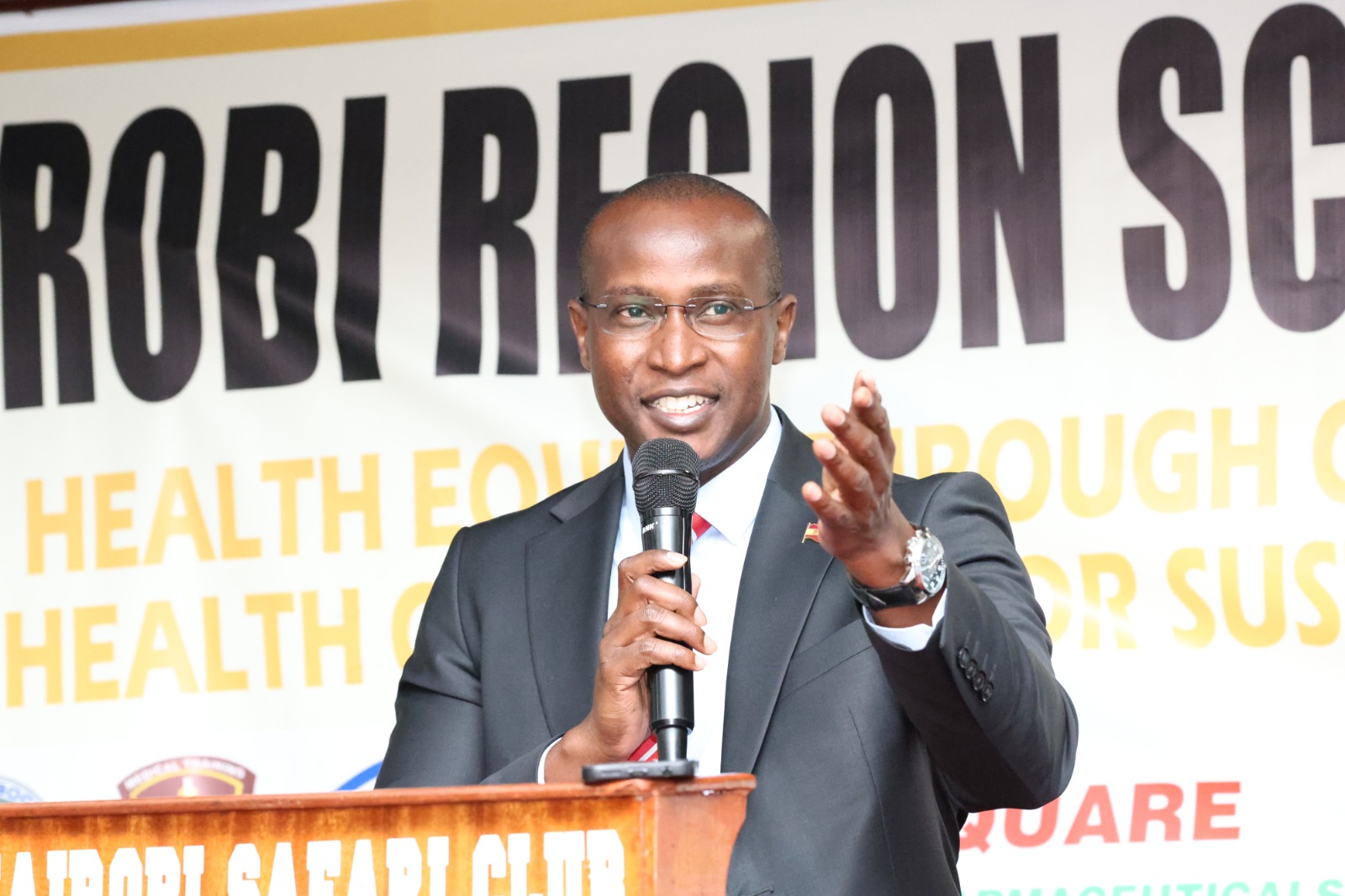
Kitutu Masaba MP Clive Gisairo proposed that KUCCPS introduce a warning on its application portal to inform prospective KMTC students that the courses were self-sponsored and did not attract government funding.
Gisairo argued that applicants needed to receive the information before selecting their preferred courses to avoid situations where students secured admission only to discover that they could not afford the training.
“You need a disclaimer during the courses application, informing students that there’s no funding from government for KMTC courses. You should collaborate with KUCCPS for a pop-up message on their portal so that students get the information that those courses are self-sponsored,” Gisairo said.

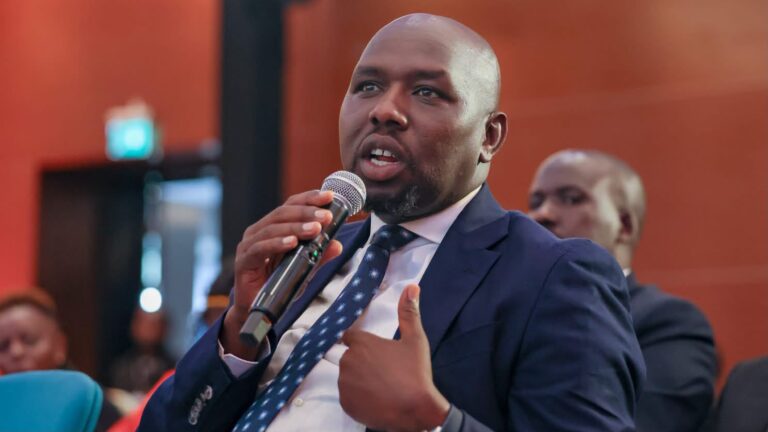


Committee Chair Musa Sirma also questioned the exclusion of KMTC from the national financing framework despite its significant contribution to Kenya’s healthcare workforce.
He argued that the institution’s role in training medical professionals made its exclusion from government financing difficult to justify, particularly given the country’s continued need for qualified healthcare workers.
“It makes no sense for KMTC which trains over 85% of healthcare workers to be left out simply because it sits under the Ministry of Health rather than the Ministry of Education,” Sirma stated.
The funding exclusion has remained a persistent challenge as demand for healthcare training continues to grow. KMTC has traditionally played a central role in developing Kenya’s clinical workforce, producing nurses, clinical officers, laboratory technologists and public health officers who serve in hospitals and health facilities across the country.
For students from low-income households, the lack of access to HELB loans and government scholarships has made pursuing medical careers increasingly difficult.
Families are required to meet the full cost of training, including tuition, accommodation and clinical attachment expenses, leaving many prospective trainees unable to take up their admission offers.
The situation has also created an imbalance in healthcare training, with available places going unfilled even as the country continues to face shortages of qualified health professionals.
Oluoch maintained that KMTC should remain under the Ministry of Health because its programmes require extensive clinical training, hospital attachments and oversight by specialised healthcare regulatory bodies.
He cited other institutions, including Bukura Agricultural College, the Kenya Water Institute and Utalii College, which operate under their respective sector ministries while receiving government support.
To address the funding disparity, Oluoch proposed that the planned Tertiary Education Funding Authority be placed under the National Treasury rather than a single ministry.
He argued that the arrangement would allow students to access financial assistance regardless of the ministry overseeing their institutions.
