

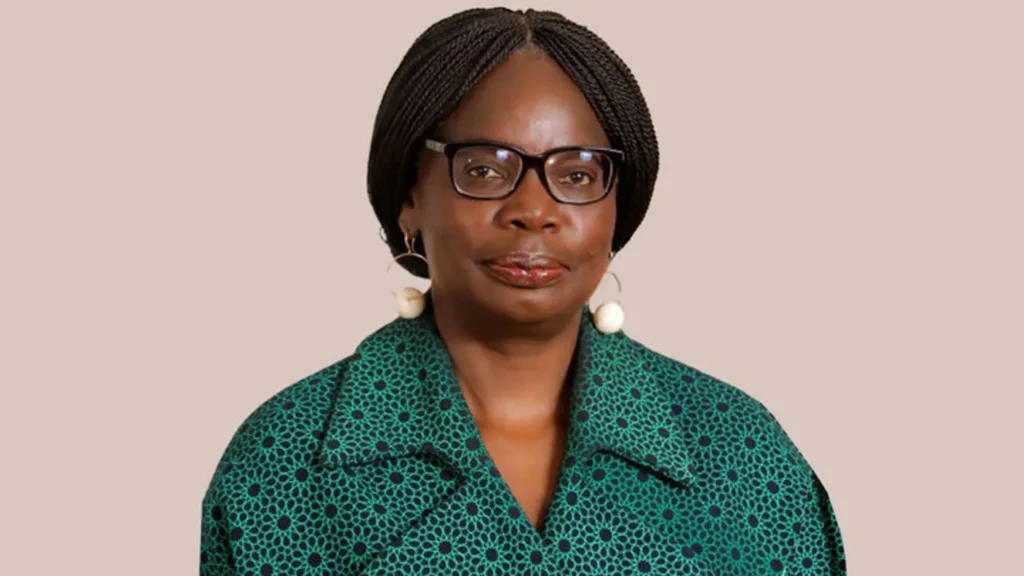
Kenyan legal scholar Phoebe Okowa has been elected to serve a full nine-year term as a judge of the International Court of Justice (ICJ) after securing the required votes in the United Nations General Assembly and Security Council.
Okowa was among five candidates elected on Tuesday, November 3, to serve at the United Nations’ principal judicial organ based in The Hague, Netherlands.
The other four successful candidates are Dapo Akande of the United Kingdom, François Alabrune of France, Mahmoud Daifallah Hmoud of Jordan and Rena Lee of Singapore.
The five judges will begin their nine-year terms on February 6, 2027, and serve until 2036.
Okowa’s election means Kenya will retain its representation on the 15-member international court, where she has been serving since November 2025 after being elected to complete the remainder of former judge Abdulqawi Ahmed Yusuf’s term.
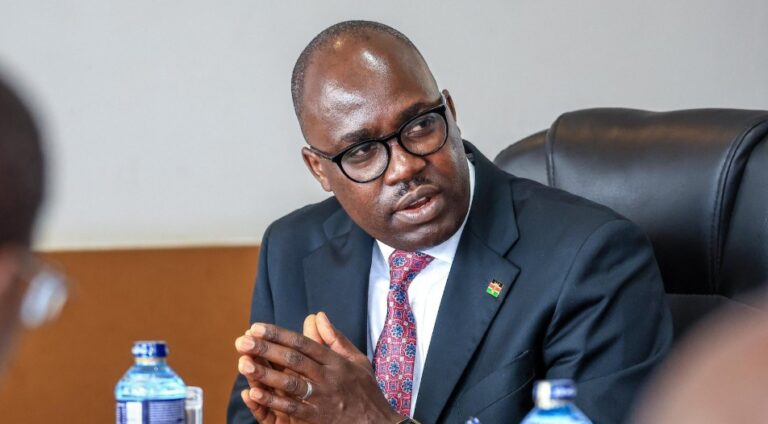
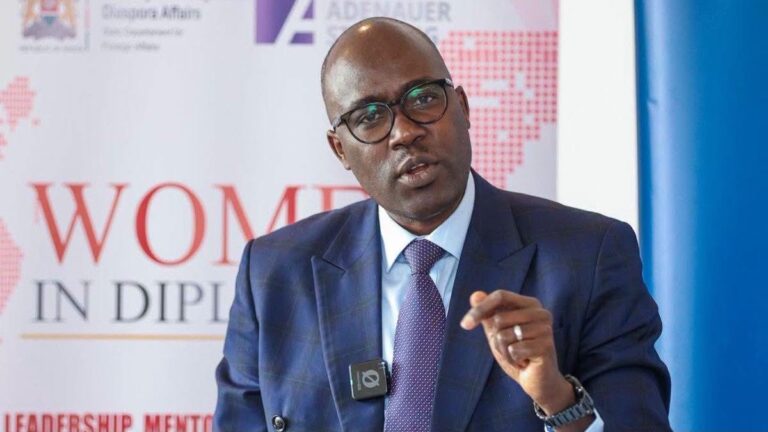
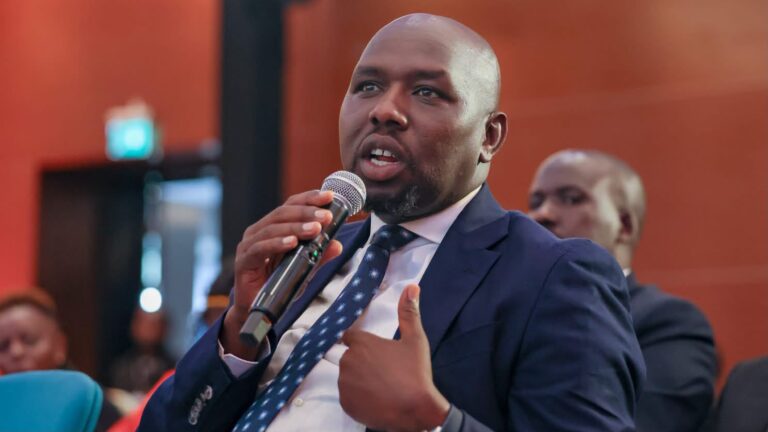
Following the announcement, Solicitor General Korir Sing’Oei welcomed her election, saying it reflected the confidence of the international community in her ability to serve at a critical time for international justice.
“It is with immense pride that I welcome the election of Judge Phoebe Okowa to the International Court of Justice for the 2027-2036 term, and congratulate Judges from the UK, France, Singapore and Jordan on joining the Court. Judge Okowa’s election reflects the confidence of the international community in her capacity to serve the Court at this consequential time,” Sing’Oei said.
He thanked members of the General Assembly and Security Council for supporting the Kenyan candidate, while acknowledging countries that withdrew their candidates during the voting process.
“We deeply appreciate members of both the General Assembly and Security Council for their votes. We are equally indebted to Sierra Leone, Korea and Ecuador for withdrawing their candidatures after the third round and helping avoid a protracted electoral process. And to our Teams supporting this campaign- thank you all,” he added.
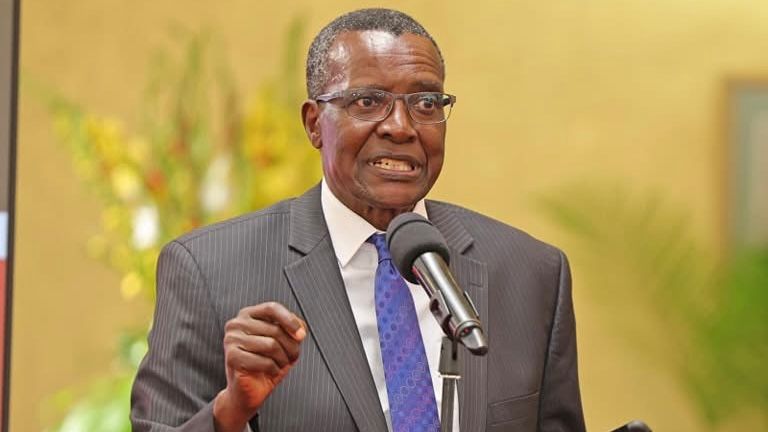
Former Chief Justice David Maraga also congratulated Okowa, describing her election as an affirmation of international confidence in her legal experience.
“Congratulations, Judge Phoebe Okowa on this well-deserved re-election to the International Court of Justice.
“The resounding victory is an affirmation of the world’s full confidence in one of Kenya’s finest jurists to tackle international justice and the rule of law during this difficult time in global governance,” Maraga said.
Okowa’s election followed a competitive process in which candidates were required to secure an absolute majority in separate ballots conducted by the UN General Assembly and Security Council.
The election involved nine candidates competing for five available positions, with each candidate required to obtain at least 97 votes in the 193-member General Assembly and eight votes in the 15-member Security Council.
The two UN organs vote independently, meaning candidates must satisfy both thresholds to secure election.
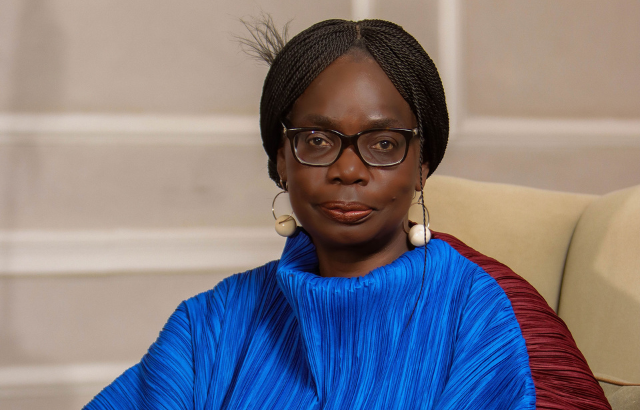
During the contest, Sierra Leone withdrew its candidate, Professor Charles Chernor Jalloh, and backed Okowa’s candidature in an effort to consolidate African support.
South Korea and Ecuador also withdrew their candidates after the third round, helping conclude the electoral process.




The election is particularly significant for Kenya because Okowa had initially joined the court in November 2025 to fill the vacancy left by Judge Abdulqawi Ahmed Yusuf, who resigned.
Her previous mandate was scheduled to end on February 5, 2027, making the latest election an opportunity to secure a full nine-year term.
The International Court of Justice is the principal judicial organ of the United Nations, established in 1945 under the UN Charter.
Based at the Peace Palace in The Hague, Netherlands, the court settles legal disputes submitted by states and provides advisory opinions on legal questions referred to it by authorised UN organs and specialised agencies.
Unlike the International Criminal Court, which prosecutes individuals accused of serious international crimes, the ICJ deals primarily with disputes between countries.
The court has 15 judges who are elected independently by the UN General Assembly and Security Council for nine-year terms.
Five positions are contested every three years to ensure continuity in the court’s membership.
Under its founding statute, judges are elected based on their qualifications, integrity and recognised competence in international law, while the composition of the court must also reflect the world’s principal legal systems and forms of civilisation.
Who is Phoebe Okowa?
Okowa is a Kenyan international law scholar and Professor of Public International Law at Queen Mary University of London.
She holds a Bachelor of Laws degree with First Class Honours from the University of Nairobi, which she obtained in 1987.
She subsequently proceeded to the University of Oxford, where she earned a Bachelor of Civil Law degree in 1990 and a Doctor of Philosophy in Public International Law in 1994.
Before joining the International Court of Justice, Okowa served as a member of the United Nations International Law Commission from 2023 to November 2025.
She was elected to the commission in 2021, becoming the first African woman to serve on the body since its establishment in 1947.
Her professional experience also includes serving as a member of the Permanent Court of Arbitration at The Hague between 2017 and 2022.
Okowa has appeared as counsel before the International Court of Justice in several international disputes, including proceedings involving climate change obligations, environmental protection and the rights of states.
Her legal expertise covers public international law, state responsibility, environmental law and accountability for violations of international obligations.
