

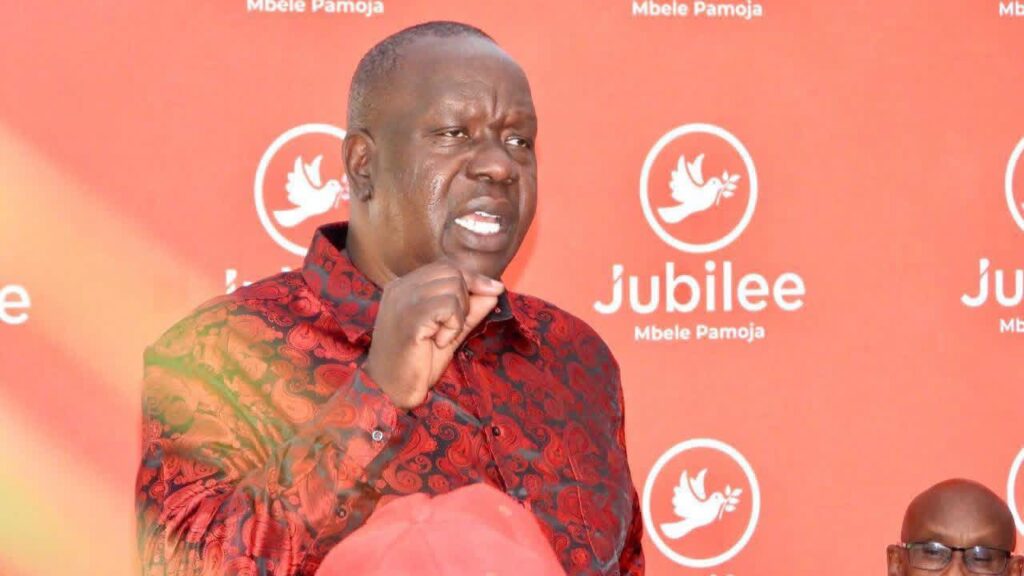
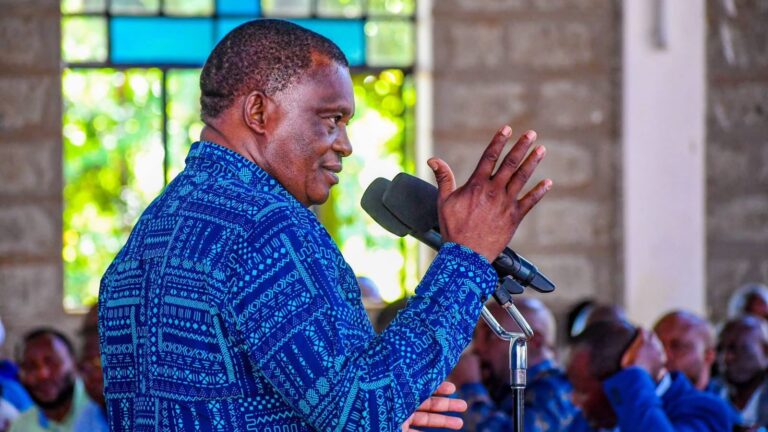
Former Interior Cabinet Secretary Fred Matiang’i has criticised Deputy President Rigathi Gachagua over his approach to opposition politics, warning that his arrogance and pride could fracture the opposition ahead of the 2027 General Election.
Speaking on Sunday, November 1, Matiang’i said the opposition should be built around ideas, leadership credentials and a shared vision for the country rather than ethnic considerations and attempts by a few individuals to dictate its direction.
He argued that the country’s leadership should not be determined through what he termed ethnic balkanisation, insisting that political competition should be based on ideas, platforms, track records, competence and qualifications.
“Gachagua’s arrogance and pride is going to split the opposition,” Matiang’i said. “The leadership and future of our country is not to be decided on ethnic balkanisation. I thought that this was a competition of ideas, platforms, track records, competence and qualifications.”
The former Interior Cabinet Secretary also took issue with what he described as attempts by a small group of politicians to dictate the direction of the opposition, warning that such an approach could undermine efforts to build a united political front.
“I have a serious problem with two or three people frogmarching everybody to a particular corner,” he said.
Matiang’i maintained that he was not opposed to supporting another opposition presidential candidate, provided the person emerged through a credible and inclusive process that respected all participating leaders.
“I will support anyone picked through an inclusive, acceptable, and respectful process,” he stated.
The Jubilee Party leader also revisited the hostility he claims to have faced from some opposition politicians after joining the political movement.
He recalled that shortly after returning from the World Bank, a Wiper Party official and lawyer went on radio and labelled him a mole.
“When I was two weeks old here from the World Bank, a Wiper official and lawyer went on a radio station and called me a mole,” Matiang’i said.
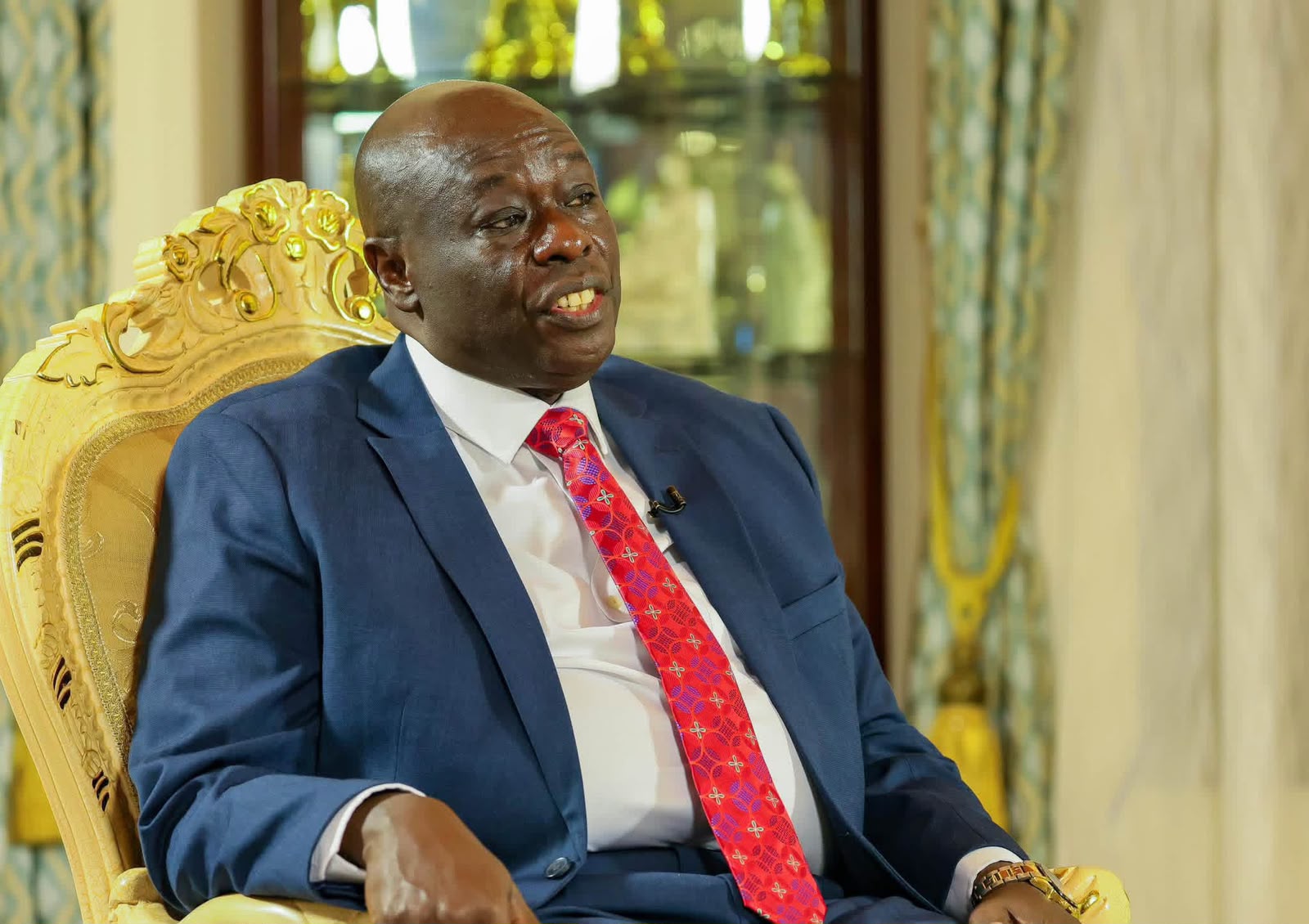
His remarks appeared to reflect the mistrust that has characterised relationships among some opposition leaders as they attempt to consolidate their parties and agree on a common presidential candidate.
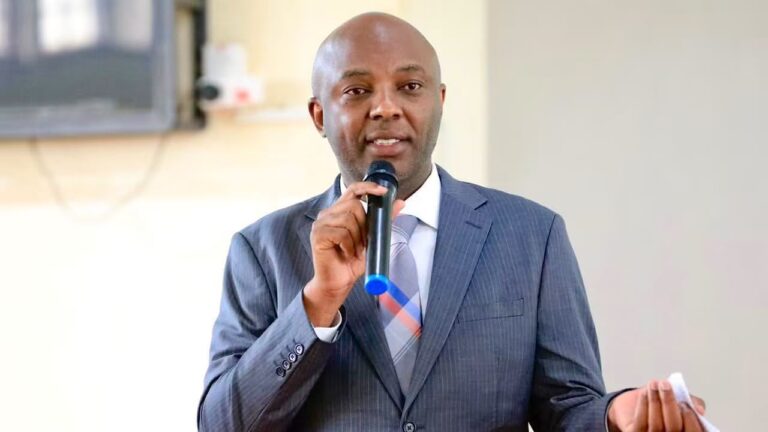
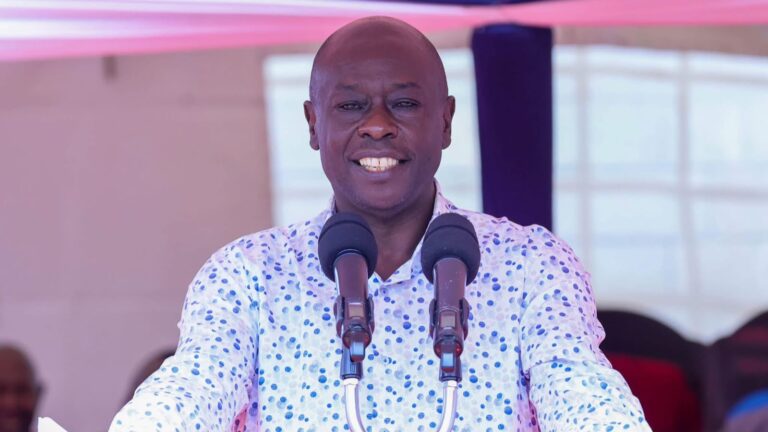
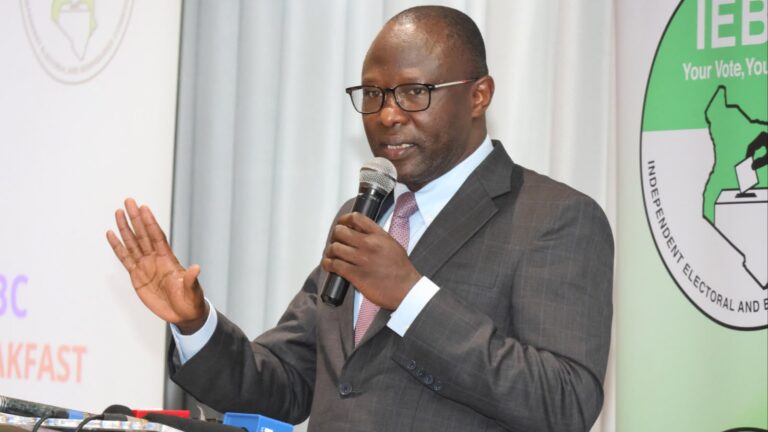
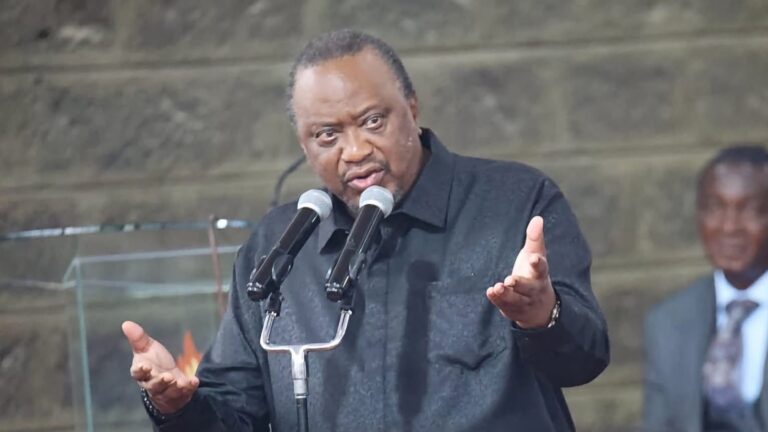
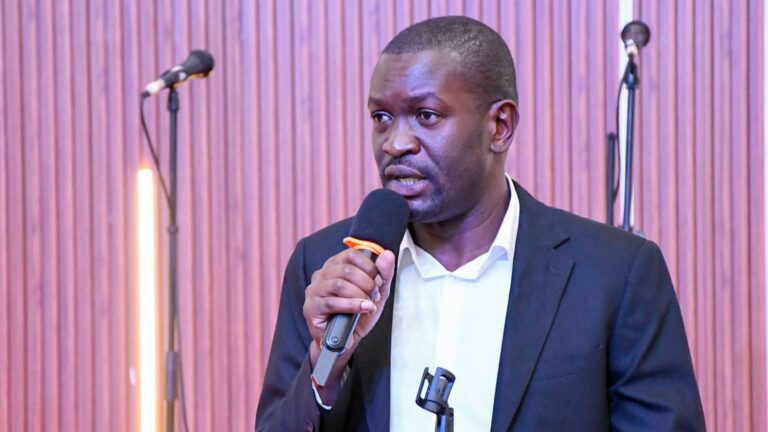
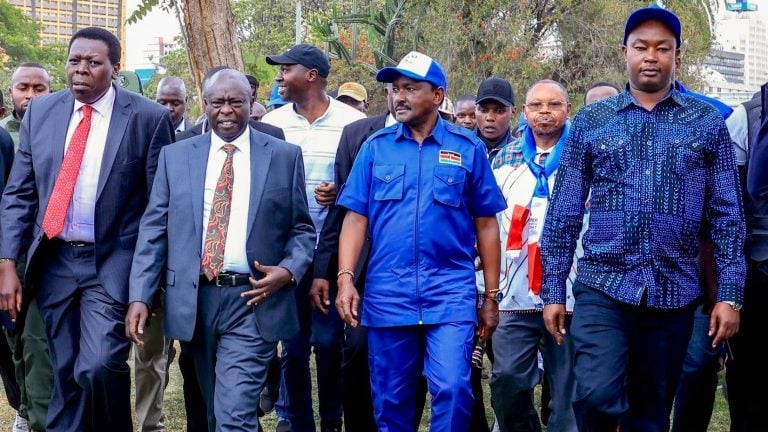
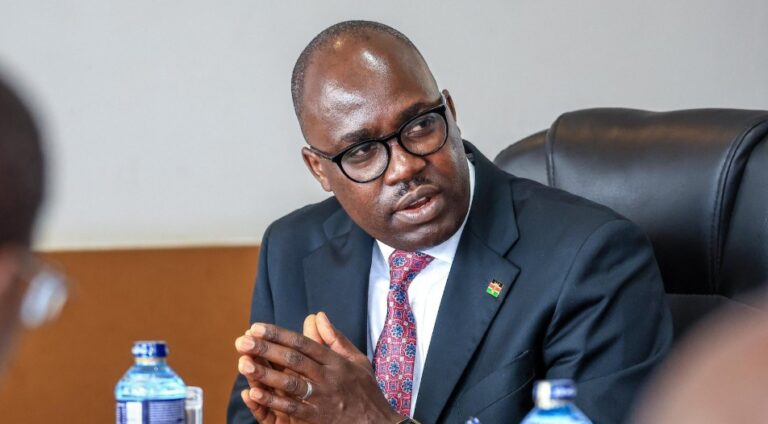
Matiang’i’s position also comes amid disagreements over the criteria to be used in selecting the opposition’s flagbearer and whether the process should favour political experience, popularity, regional influence or other leadership credentials.
The latest remarks added to growing concerns about divisions within the opposition as several leaders positioned themselves for the presidential contest against President William Ruto in 2027.
Matiang’i, former Deputy President Rigathi Gachagua, Wiper leader Kalonzo Musyoka, former Justice Minister Martha Karua, DAP-K leader Eugene Wamalwa and other political figures are among those associated with efforts to build a united opposition.
In February 2026, Matiang’i warned against using boardroom negotiations to determine the coalition’s presidential candidate, arguing that the process needed to be scientific, transparent and objective.
He cautioned that candidates who lost in an unfair selection process could struggle to convince their supporters to rally behind the eventual flagbearer.
In August, Matiang’i and Kalonzo also exposed differences over how the opposition should settle on a joint candidate, with the former Interior CS insisting that the coalition needed to build a team before choosing its captain.
Meanwhile, Gachagua had previously maintained that opposition leaders must remain united and accept the outcome of the eventual selection process. In July, he said he was prepared to sacrifice his presidential ambitions if another candidate emerged as the coalition’s preferred choice.
The disagreements raised questions about whether the opposition would manage to maintain unity while accommodating the ambitions of its leading figures.
Matiang’i, however, warned against reducing the contest to a question of who occupies the presidency, arguing that replacing Ruto without addressing the country’s leadership challenges would amount to little change.
“When you wake up and tell me anybody can replace Ruto, it means the problems we have with Ruto are that we are not sitting in that seat ourselves,” he said.
He insisted that the opposition should focus on presenting Kenyans with an alternative based on competence, accountability and a clear vision for the country.
