

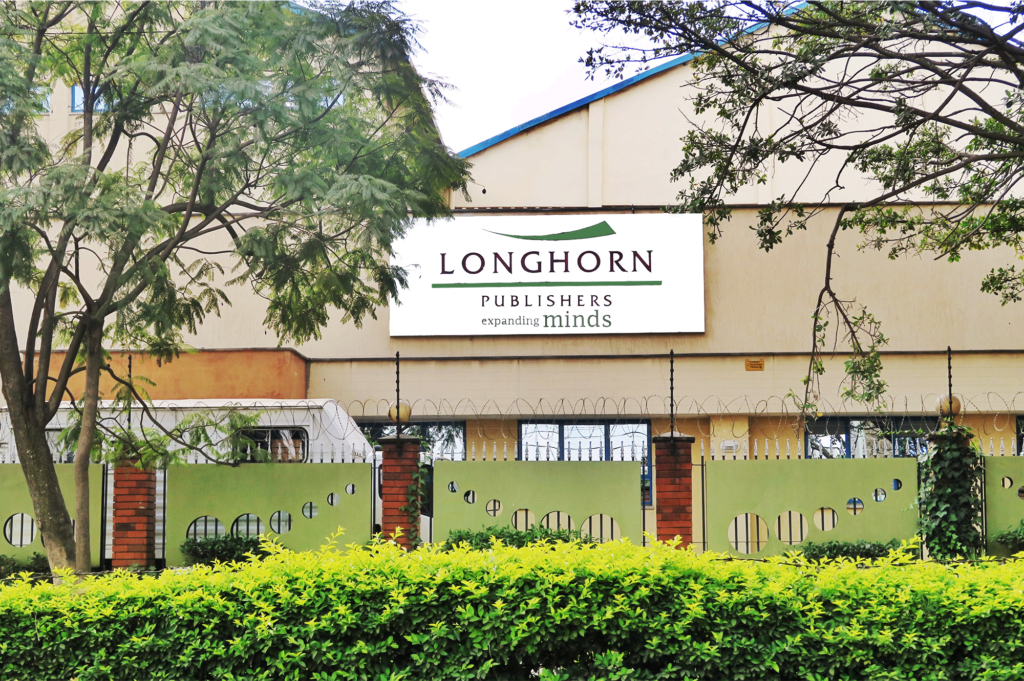
Longhorn Publishers Plc has reported a record Ksh1.045 billion comprehensive loss for the financial year ended June 30, 2026, compared to a Ksh5.3 million comprehensive loss recorded in the previous financial year.
The loss was largely driven by impairment charges arising from changes to the education curriculum and the derecognition of previously recognised deferred tax assets, even as the Nairobi Securities Exchange-listed education publisher recorded a 21 per cent increase in revenue.
According to the company’s audited financial results released on October 29, 2026, revenue increased from Ksh672.1 million in the 2025 financial year to Ksh811 million in 2026, representing an increase of approximately Ksh139 million.
However, the company’s cost of sales more than doubled from Ksh521 million to Ksh913.8 million, resulting in a gross loss of Ksh102.8 million against a gross profit of Ksh151.1 million in the previous year.
The increase was largely attributed to impairment losses recognised following changes to the curriculum, with the company reporting Ksh460.3 million in impairment charges under cost of sales, compared to Ksh137.6 million in 2025.
Despite the reported gross loss, Longhorn said its underlying business performance had improved when impairment charges were excluded.
“Excluding these impairment losses, the Group recorded an operating profit of KShs 16 million compared to an operating loss in prior year of KShs 20 million, reflecting an improvement in the underlying operating performance,” the company stated.
The publisher attributed the bulk of its financial difficulties to Ksh518 million in impairment losses, comprising Ksh460.3 million recognised under cost of sales and additional impairment charges arising from the reassessment of its curriculum-related investments.
The company also reported an income tax expense of Ksh265.1 million, compared to a tax credit of Ksh111.7 million in the previous financial year. This was largely linked to the derecognition of previously recognised deferred tax assets amounting to Ksh262 million.
Longhorn’s loss after tax consequently rose to Ksh949.7 million from Ksh261.4 million in 2025, while its total comprehensive loss stood at Ksh1.045 billion.
In its commentary, the company explained that the financial impact was part of efforts to address investments in learning materials affected by changes to the curriculum.
“While the impairment of old curriculum-related investments impacted the reported results for the year, it represents an important step in completing the transition and creating a cleaner platform for the next phase of growth,” the company stated.
The publisher also faced increased operating expenses, which rose by 23 per cent to Ksh405.4 million from Ksh328.1 million, mainly due to higher promotional expenditure aimed at supporting sales growth.
Finance costs, however, declined to Ksh182.2 million from Ksh203.9 million, offering some relief amid the company’s financial challenges.
The financial results also revealed pressure on the company’s balance sheet, with total assets declining by approximately 40 per cent to Ksh1.33 billion from Ksh2.23 billion in the previous year.
More significantly, Longhorn’s total equity moved from a positive Ksh18.1 million to a negative Ksh1.027 billion, reflecting the impact of accumulated losses. Its current liabilities stood at Ksh2.326 billion against current assets of Ksh547.8 million, indicating a substantial working capital deficit.
Current borrowings increased sharply to Ksh1.2 billion from Ksh442.4 million, while cash and bank balances fell to Ksh15.8 million from Ksh89 million. The company’s cash flow position also weakened during the period.






Longhorn used Ksh36.7 million in operating activities, compared to generating Ksh337.3 million in the previous year. Its cash and cash equivalents declined to Ksh4.2 million at the end of June 2026 from Ksh89 million a year earlier, following a net decrease of Ksh84.8 million during the financial year.
Longhorn’s latest financial performance came after several years of disruption in Kenya’s publishing industry following the transition from the 8-4-4 education system to the Competency-Based Curriculum (CBC).
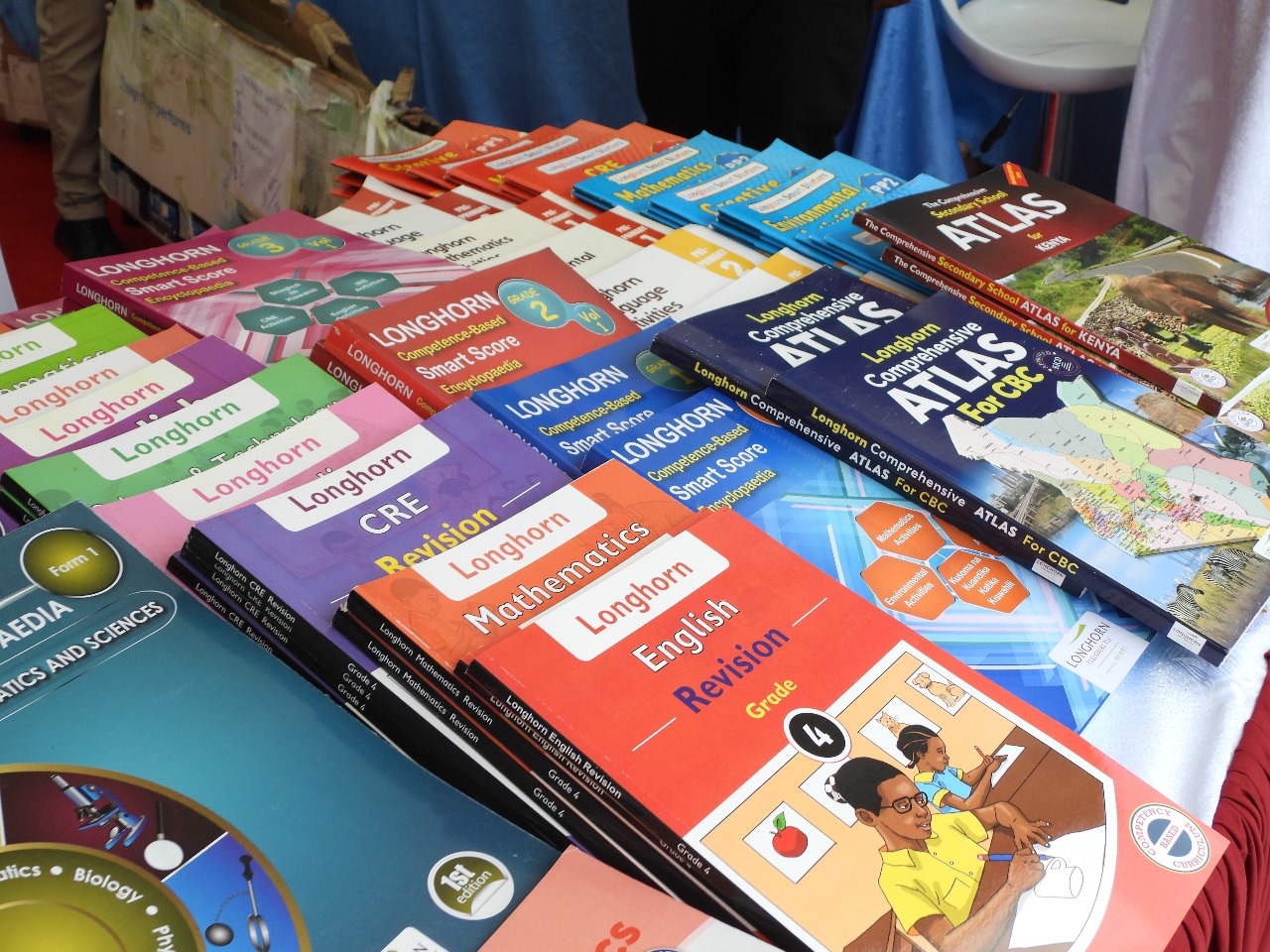
The transition required publishers to develop new learning materials, invest in curriculum-aligned content and replace textbooks that were no longer suitable for the revised education system.
In its 2025 financial disclosures, Longhorn revealed that it had invested more than Ksh714 million in CBC content development between 2018 and 2025, while absorbing Ksh254 million in inventory and debtor impairments and writing off Ksh149 million in development costs.
The company also experienced procurement delays as schools and government agencies awaited approvals for revised learning materials.
In the financial year ended June 2025, Longhorn’s revenue declined by approximately 56 per cent, with the company attributing the drop to delayed government procurement and reduced purchasing by households and private schools.
However, the publisher recorded a significant recovery in the first half of the 2026 financial year.
In February 2026, Longhorn narrowed its half-year net loss to Ksh10.99 million from Ksh148.6 million, following an 88 per cent increase in revenue to Ksh524.1 million.
The full-year results showed that the company maintained its revenue recovery but continued to grapple with the financial consequences of its curriculum-related investments.
Looking ahead, Longhorn said it would pursue product diversification, operational efficiency and expansion into new markets to restore its financial performance.
The company also pointed to the completion of key curriculum revisions as an opportunity to rebuild sales and improve the profitability of its publishing business. “The completion of key curriculum revisions provides a platform for renewed sales momentum,” the company stated.
It added that digital learning solutions through its LoHo Learning platform would play a key role in diversifying revenue streams and attracting new customers.
Longhorn has been expanding its digital learning business as part of its strategy to complement traditional textbook publishing.
In April 2024, the publisher announced a partnership with Safaricom to develop the LoHo digital learning platform, which provides educational resources aligned with Kenya’s Competency-Based Curriculum.
The company said it had also made progress in expanding its portfolio of curriculum-aligned intellectual property and strengthening partnerships with key suppliers.
“Looking ahead, the Group will continue to pursue opportunities to regain market leadership, optimize subsidiary performance, improve gross margins and increase cash generation,” Longhorn stated. “Our focus remains on building a more diversified, resilient and sustainable business that is well positioned to respond to the changing needs of customers across our markets.”
