

The Kenyan government has confirmed plans to introduce a new green-coloured service passport aimed at resolving long-standing grievances among public servants and constitutional officeholders who travel abroad on official duty but do not qualify for diplomatic passports.
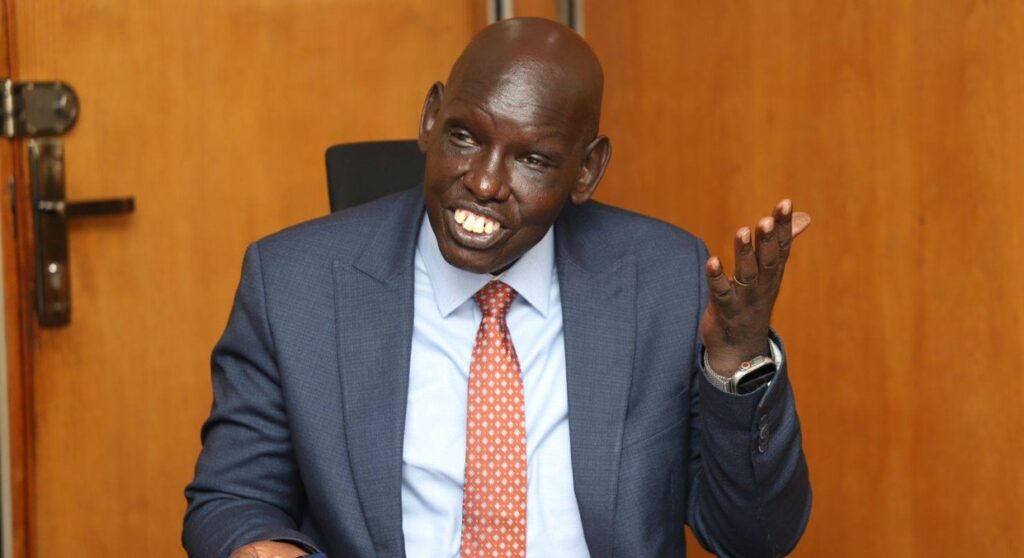
The announcement was made by Principal Secretary for Immigration and Citizen Services, Belio Kipsang, during an appearance before the National Assembly Departmental Committee on Administration and Internal Security on Thursday, November 5.
Kipsang disclosed that the new travel document had already been printed and was awaiting the finalisation of administrative regulations before its official rollout.
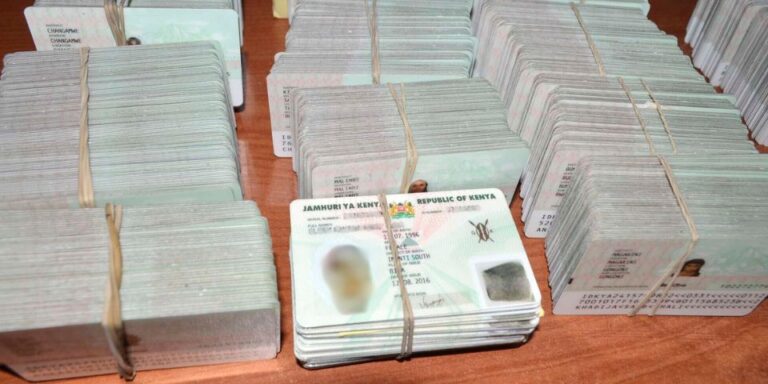
The green passport is designed to create a distinct middle ground between ordinary passports and the heavily restricted diplomatic passport.
Historically, service passports in Kenya were primarily issued to members of disciplined services, such as police and military personnel, travelling overseas for official assignments.
The new framework expands this eligibility to thousands of public servants and state officers who undertake government business abroad but fall outside the strict legal thresholds required to hold diplomatic passports.
The move came as Parliament examined existing regulations governing diplomatic passports, which were introduced in 2012 under the Kenya Citizenship and Immigration Act.
Lawmakers had raised concerns that several constitutional officeholders and independent commissions were excluded from the diplomatic eligibility list, sparking debates over fairness and equity.
The committee session centred on a petition filed by the Commission on Administrative Justice (CAJ), which highlighted what it termed unequal treatment of officials serving in various constitutional offices.
In response, Kipsang assured lawmakers that the government was willing to review the current regulations to align them with the governance changes introduced by the 2010 Constitution.
Emphasising the need to safeguard the prestige of the country’s highest-level travel documents, Kipsang maintained that diplomatic passports were strictly intended for official duties and diplomatic functions.
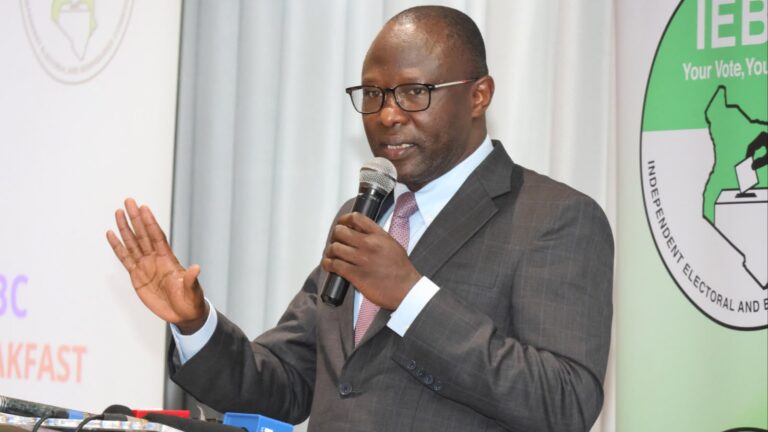










“The government must protect the document’s integrity and international recognition,” Kipsang stated, explaining the rationale for creating a separate tier for routine public service missions abroad.
The Principal Secretary also clarified that Regulation 13 of the existing framework empowered the Interior Cabinet Secretary to approve diplomatic passports for individuals outside specified categories when strictly necessary for critical government assignments.
Teso North MP Oku Kaunya urged the department to ensure that the proposed amendments captured all relevant constitutional offices, arguing that the review should reflect the provisions of the Constitution.
“If you are doing a revision, it is important to ensure that it is inclusive in the sense of what the Constitution provides. All those offices that the Constitution expressly puts in one category should be included,” he said during the committee session.
The introduction of the green passport would add a third category to Kenya’s travel document regime, joining the ordinary passport issued to citizens and the diplomatic passport reserved for top state officials.
Under the current regulations, diplomatic passports are reserved for the President, Deputy President, Cabinet Secretaries, Principal Secretaries, Governors, senior judicial officers and security chiefs, as well as certain spouses and dependants.
Retired public figures, including former Deputy Presidents and their spouses, also qualify under separate legislation recognising their continued involvement in international engagements such as state mediation and peace missions.
The green service passport initiative is part of a broader effort by the government to overhaul and decentralise passport administration.
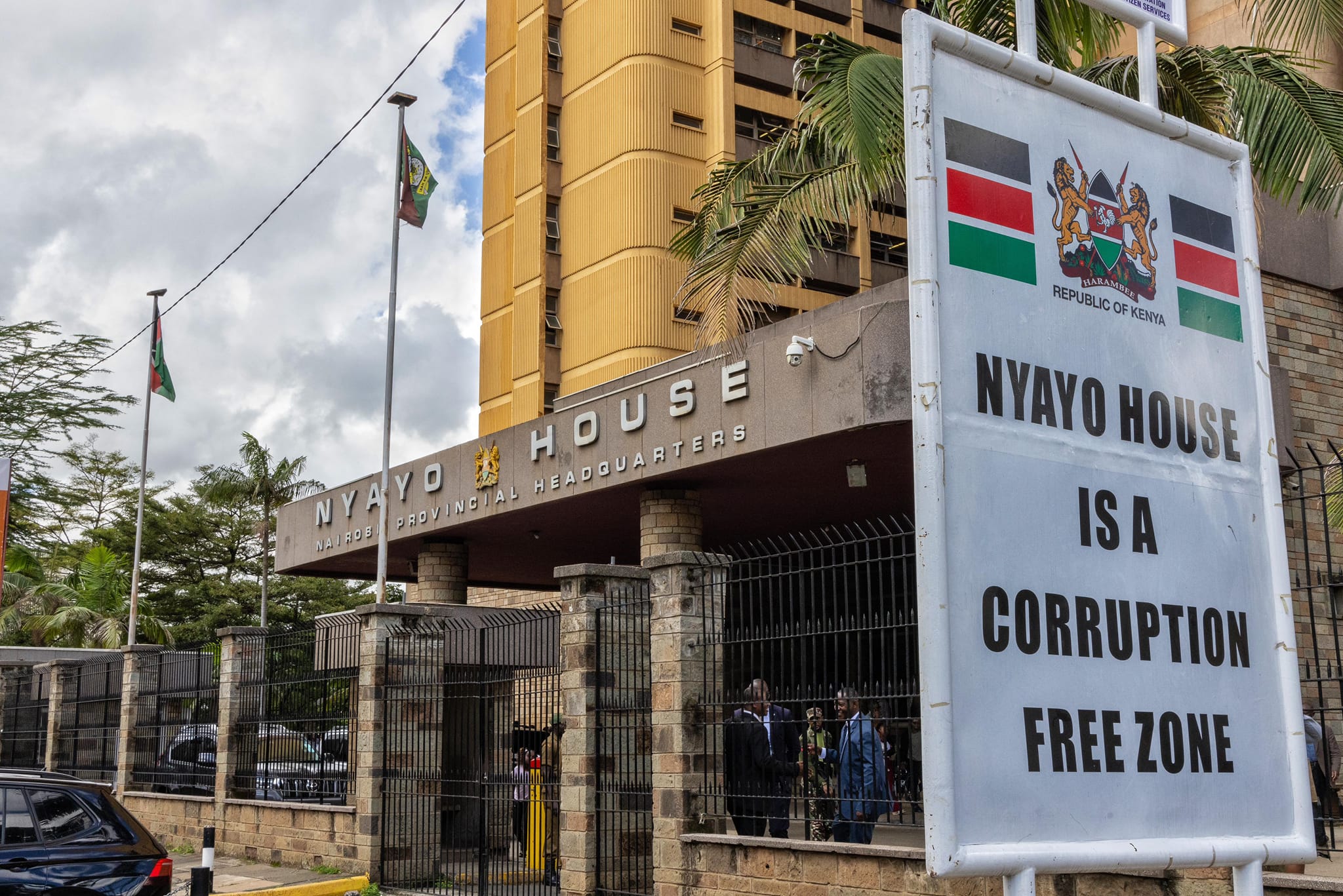
Interior Cabinet Secretary Kipchumba Murkomen had previously announced plans to upgrade regional immigration offices in Nyeri and Malindi to provide full passport registration, processing and biometric capture services, aiming to ease congestion at major centres such as Nairobi’s Nyayo House.
