

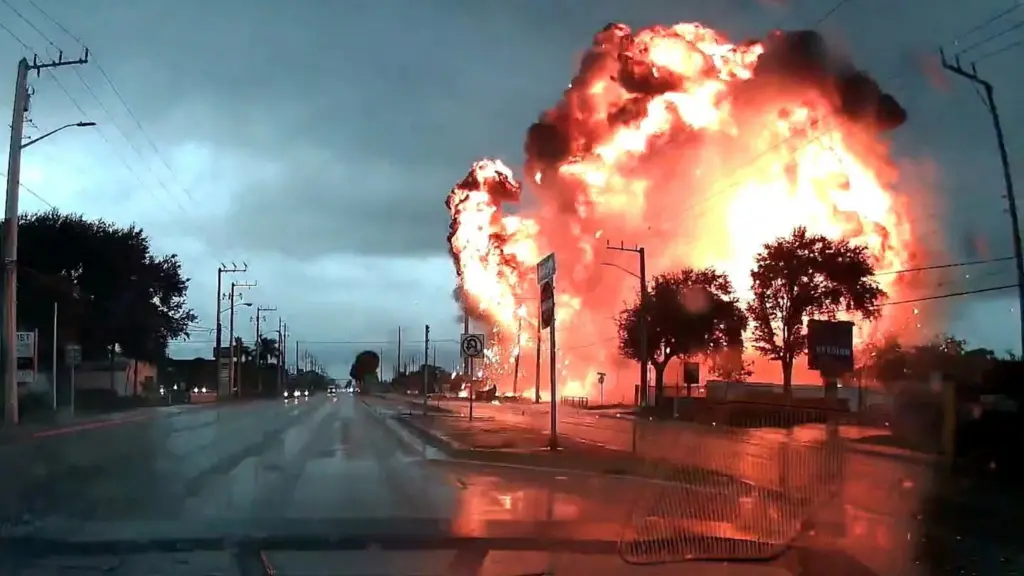
The National Transportation Safety Board (NTSB) said Monday that a business jet that crashed in South Florida over the weekend, killing all nine people aboard, showed evidence of breaking apart before striking the ground, a development that could significantly expand the debris field and complicate an already difficult recovery effort.
NTSB Board Member Tom Chapman told reporters at an afternoon briefing that investigators had found “some indication that the aircraft was breaking up before impact” and warned that parts of the plane could be scattered well beyond the main crash site near Greenacres, roughly seven miles southwest of West Palm Beach.
“We may find parts of the aircraft some distance away from the actual impact site,” Chapman said, adding that the agency was still working to determine which components may have separated.
The Learjet 60, operated by Upper Jets under Part 135 charter regulations, departed Austin-Bergstrom International Airport in Texas at approximately 9:37 a.m. local time, bound for North Eleuthera in the Bahamas, with two pilots and seven passengers aboard.
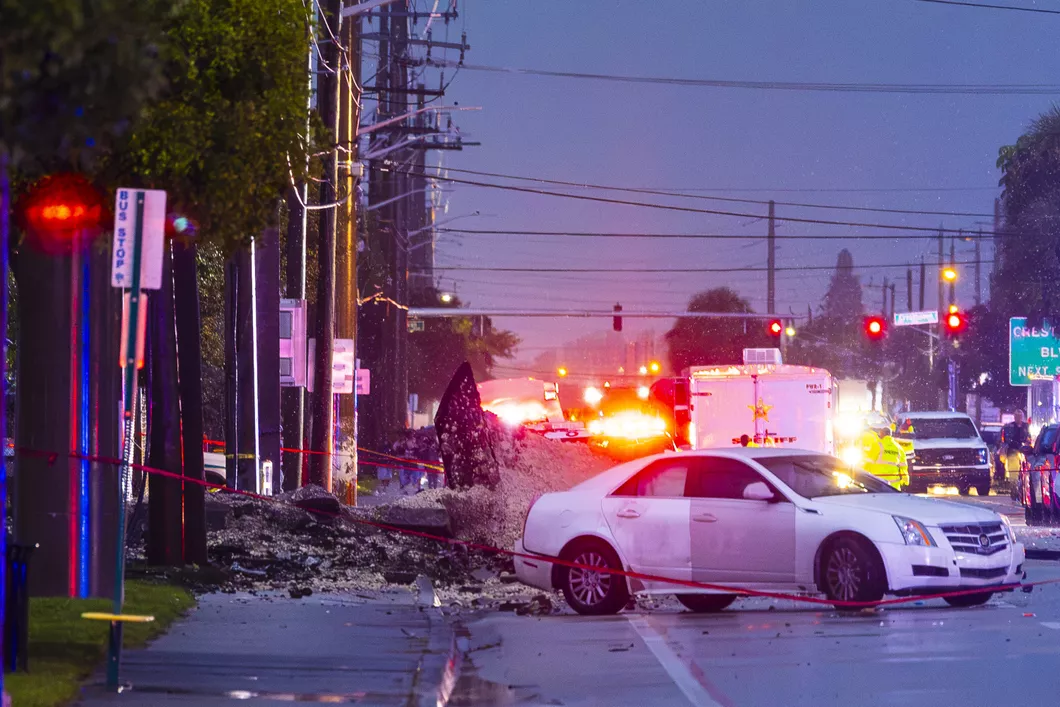
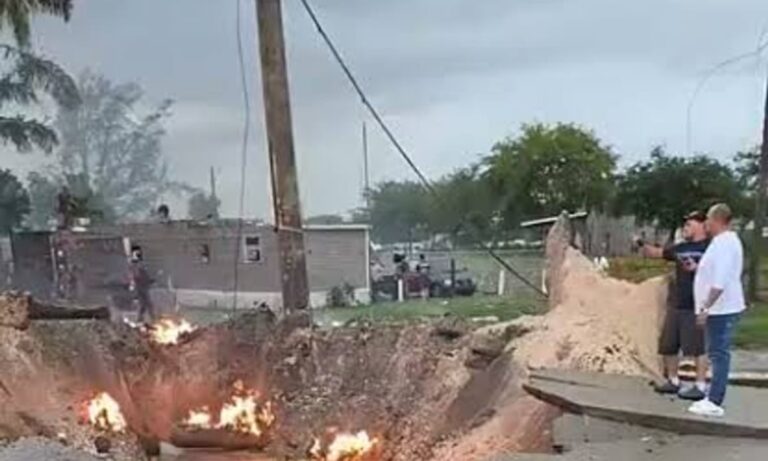
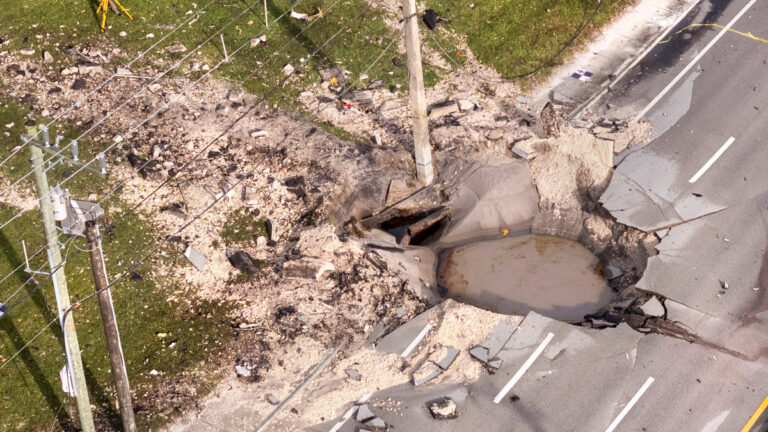
The crash occurred shortly before 1 p.m., leaving a crater in a roadway and injuring one person on the ground, who sustained a leg injury while inside a nearby vehicle.
According to communications reviewed by investigators, the crew first reported “light, clear ice that is manageable and moderate turbulence” while cruising at 35,000 feet, with the aircraft experiencing altitude deviations of about 700 feet.
The pilot requested and received clearance to climb to 37,000 feet because of increasing precipitation. Less than 30 seconds later, the crew reported that the aircraft was descending, followed by a mayday call and reports of descent rates reaching 20,000 feet per minute.
“We are in an overspeed condition,” the pilot radioed before communications were lost.
Chapman confirmed that icing and turbulence were “certainly a factor” in the investigation, although he emphasised that the NTSB would not speculate on the probable cause during what he described as a “lengthy investigatory process”.
The aircraft was listed as carrying a cockpit voice recorder, but investigators had not yet determined whether it was on board at the time of impact or whether it could be recovered.
Timothy Monville, the NTSB’s investigator-in-charge, said the biggest obstacle facing the team was recovering major wreckage from the impact crater, which was partially filled with rainwater. “That’s one of the things that’s going to be daunting,” Chapman added.
 Who Was Adam Robinson? The Tech Entrepreneur Killed in Florida Learjet Crash
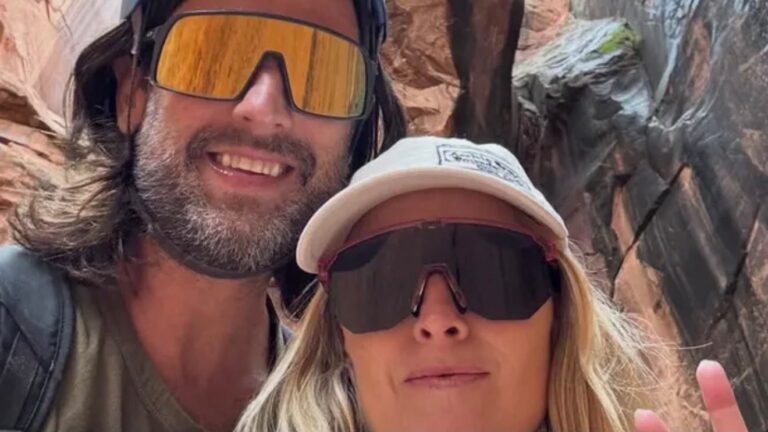 Texas Tech Entrepreneur, Wife and Two Toddlers Among Nine Killed in Florida Learjet Crash
 Who Was Nathalia Gadelha Filgueiras? The 20-Year-Old Pilot Killed in Florida Jet Crash
 Nine Killed as Learjet 60 Crashes Into Florida Road in Massive Fireball






About 20 NTSB investigators arrived at the scene on Sunday evening, with additional personnel joining the team on Monday.
Local authorities said the medical examiner was using DNA collected from the site to identify the victims, and no official names had been released.
However, family members identified 20-year-old Nathalia Gadelha Filgueiras as one of the pilots.
Filgueiras made local headlines in 2023 when she earned her pilot’s licence as a high school senior, before she was legally old enough to drive. Her mother, Camila Corteleti, told reporters that her daughter “loved the freedom” of flying.
Records indicated that Filgueiras held a rating to fly the Learjet model but was not qualified to serve as pilot in command.
Palm Beach County authorities evacuated approximately 600 residents from a nearby mobile home community as a precaution, while Commissioner Joel G. Flores said the county could not yet provide a timeline for when residents would be allowed to return.
Chapman urged anyone who encountered debris from the aircraft to leave it undisturbed and contact authorities.
The crash site was approximately nine miles from Mar-a-Lago, President Donald Trump’s resort, although officials had not suggested any connection between the location and the incident.
Florida Governor Ron DeSantis described the scene to reporters as “a cataclysmic plane crash”, adding that “it looked like a missile going down and left a big crater on the side of the road”.
The NTSB’s final report on the probable cause of the crash is expected to take between 12 and 24 months.
