

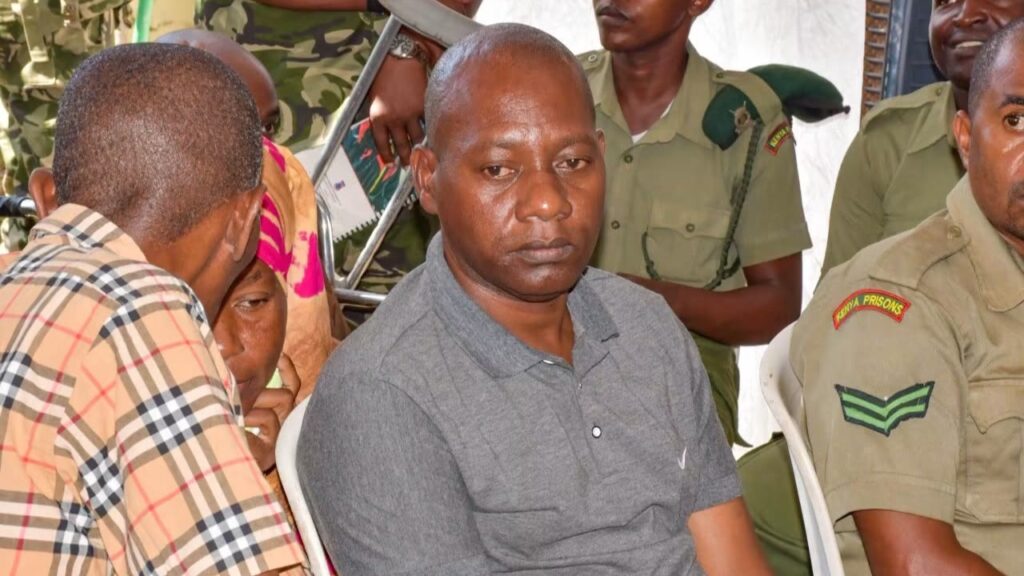
A Kenyan court on Friday sentenced self-proclaimed pastor Paul Mackenzie, the leader of a doomsday cult responsible for one of the deadliest episodes of religious extremism in the country’s history, to 200 years in prison for the murders of 191 people, nearly all of them children.
The High Court in Mombasa handed down the sentence after convicting Mackenzie, the head of the Good News International Church, and 28 co-accused in October on 191 counts of murder.
The court found that Mackenzie ordered his followers to starve themselves and their children to death so they could “meet Jesus”.
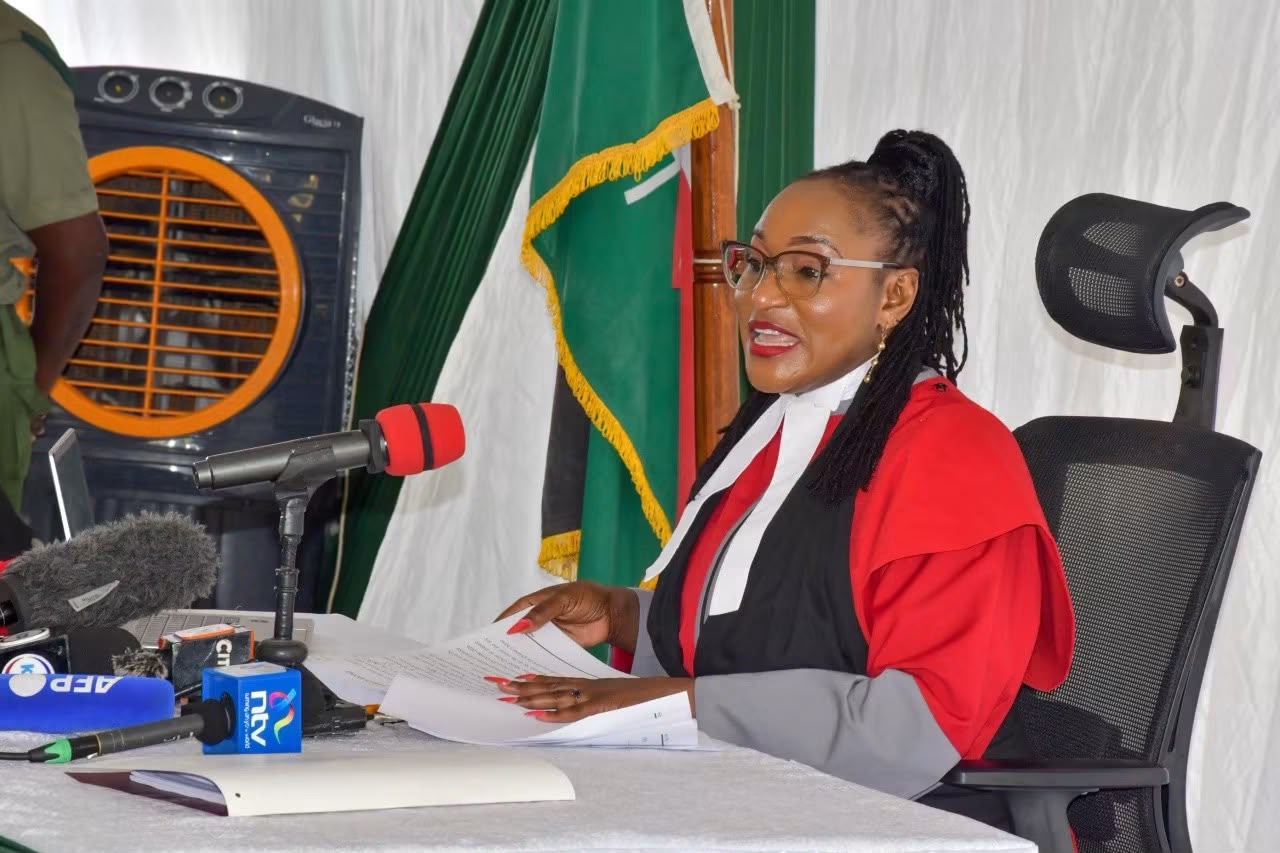
Justice Diana Kavedza said Mackenzie bore the “primary criminal culpability” for the mass deaths, noting that he relocated his followers to a remote forest settlement and enforced a deadly fasting regime through a structured hierarchy of guards and enforcers.
“The sentence is appropriate and just, to send an unmistakable message that such atrocities warrant the maximum penalties allowed by law,” the judge said.
The court heard harrowing testimony about how the fasting was implemented. Prosecutors described a “structured hierarchy of death” in which children were forced to fast first, followed by youths, women, and men. Those who resisted or tried to escape were beaten, restrained, or locked in houses.
One co-accused told the court that Mackenzie had instructed followers that anyone who “resisted the directive to fast must be forced to go to heaven through kicks and blows”.
The judge rejected the defence argument that followers had fasted voluntarily, ruling that children could not give meaningful consent to a practice that would kill them.
Post-mortem reports established starvation as the cause of death for most victims whose cause could be determined. Others died from suffocation, strangulation, or head injuries.
In more than 100 cases, the cause could not be established due to decomposition, but the court inferred starvation from eyewitness accounts and the condition of the graves.
The case emerged in April 2023, when police acting on a tip from a human rights group entered the Shakahola Forest in coastal Kilifi County.






What they found shocked the nation: hundreds of bodies buried in shallow graves across an 800-acre ranch where Mackenzie’s followers had lived in mud huts, isolated from the outside world.
More than 400 bodies have been exhumed from the forest. The murder charges for which Mackenzie was sentenced covered 191 of those victims, comprising 190 children and one adult, whose identities and causes of death could be sufficiently established for prosecution.
Francis Wanje, who lost eight relatives in Shakahola, including two grandchildren, told the BBC before the sentencing that he hoped for a punishment that would match Mackenzie’s deeds.
“This day, to me, is a very, very important day,” he said.
The massacre also raised troubling questions about how Mackenzie was able to operate for years despite prior warnings. The Kenya National Commission on Human Rights found that local administration and law enforcement officials had repeatedly turned a blind eye to the cult’s activities.
Mackenzie had been arrested twice before, in 2017 on radicalisation charges and in 2019 in connection with two child deaths at Shakahola, but was released both times, once on bail and once for lack of evidence.
Prosecutors had sought the death penalty for Mackenzie, citing the gravity of the crimes and his lack of remorse. Kenya has not carried out an execution since 1987, although capital punishment remains on the books.
The court instead imposed a 200-year aggregate sentence, comprising 100 years for the murder counts related to starvation and another 100 years for direct homicide counts, with the sentences set to run consecutively.
Mackenzie’s co-accused received sentences ranging from 160 years to lesser terms, depending on their roles in enforcing the fasting regime and concealing the graves.
The convictions account for only a fraction of the more than 400 bodies recovered from Shakahola. Additional charges related to other victims are expected to follow, while Mackenzie still faces separate cases involving terrorism and child cruelty allegations.
