

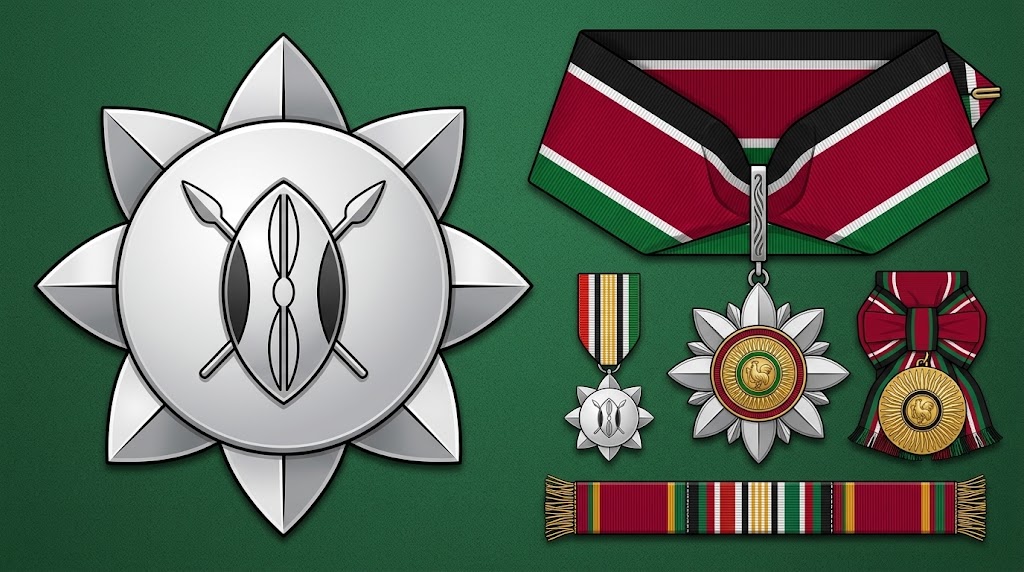
Kenya’s national honours are official awards conferred by the President to recognise exceptional service, patriotism, bravery, leadership and outstanding contributions to the country. The honours range from the prestigious Chief of the Order of the Golden Heart of Kenya (CGH) to the Head of State’s Commendation (HSC), with each award carrying a distinct title and level of recognition.
The awards are governed by the National Honours Act, 2013, which provides the legal framework for the conferment and administration of national honours. Article 132(4)(c) of the Constitution of Kenya empowers the President to confer honours in the name of the people and the Republic.
The national honours system recognises service, courage and distinction, celebrating people whose work, sacrifice or achievements have helped shape, protect or advance the country.
Chief of the Order of the Golden Heart (CGH)
The Chief of the Order of the Golden Heart of Kenya (CGH) is the highest class of the country’s most prestigious national order. It recognises exceptional contributions and distinguished service with significant national or international impact.
The award is associated with heads of state and other highly distinguished individuals whose work has earned exceptional recognition from Kenya.
On August 26, 2025, President William Ruto conferred the honour on Prince Rahim Al-Hussaini Aga Khan V in recognition of his commitment to Kenya and the contribution of the Aga Khan Development Network to the country’s development.
During the ceremony at State House, Nairobi, President Ruto said: “This moment is both historic and symbolic.” He added: “It affirms Kenya’s deep appreciation of the enduring legacy of the Ismaili Imamat, whose service to humanity has long been a pillar of our national journey.”
The CGH title signifies the highest level of distinction within the Order of the Golden Heart of Kenya.
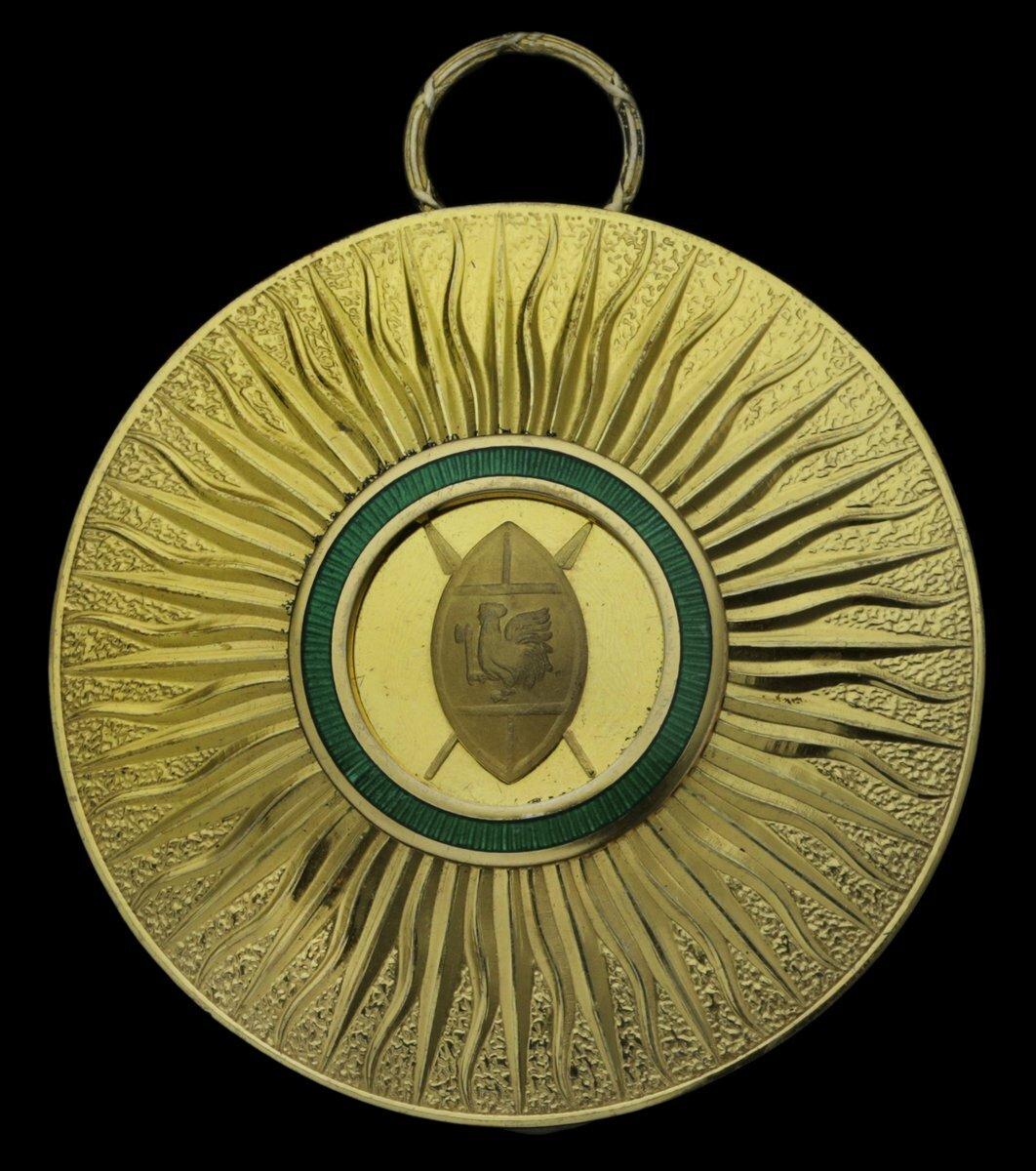
Elder of the Order of the Golden Heart (EGH)
The Elder of the Order of the Golden Heart (EGH) is the second class of the Order of the Golden Heart of Kenya. It recognises distinguished service and exceptional achievements in public service, sports, business, leadership and other fields of national importance.
Recipients are individuals whose contributions have earned them high-level national recognition. The award is also associated with senior national leaders and prominent figures who have made significant contributions to Kenya.
One notable recipient is marathon champion Eliud Kipchoge, who received the EGH honour from former President Uhuru Kenyatta following his historic achievement of running a marathon in under two hours in an unofficial event in Vienna in 2019.
The EGH title ranks below CGH but above Moran of the Order of the Golden Heart (MGH).
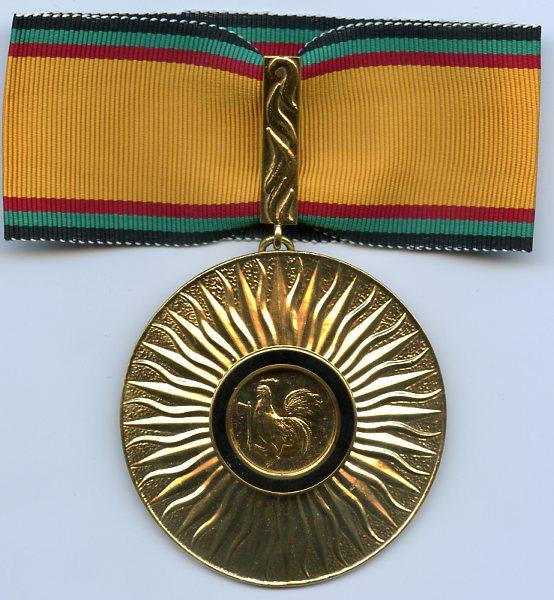
Moran of the Order of the Golden Heart (MGH)
The Moran of the Order of the Golden Heart (MGH) is the third class of the Order of the Golden Heart of Kenya. It recognises distinguished service, achievement and contributions to national development.
Recipients may come from public service, politics, business, academia, sports, community development and other areas of national life. The title places recipients within Kenya’s highest national order, although it ranks below CGH and EGH.
The award is a formal expression of national appreciation for individuals whose work has contributed to the country’s progress and public welfare.
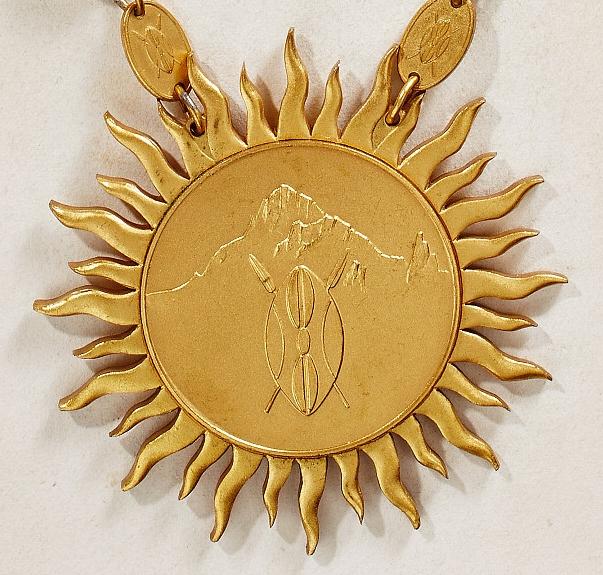
Chief of the Order of the Burning Spear (CBS)
The Chief of the Order of the Burning Spear (CBS) is the highest class of the Order of the Burning Spear, which recognises distinguished service and outstanding contributions to Kenya.
The honour is awarded to individuals whose work has made a notable contribution to national development, governance, public administration, security, education, science and other professional fields.
The Order of the Burning Spear ranks below the Order of the Golden Heart in Kenya’s established order of national honours. However, the CBS remains a significant presidential distinction for outstanding service to the Republic.
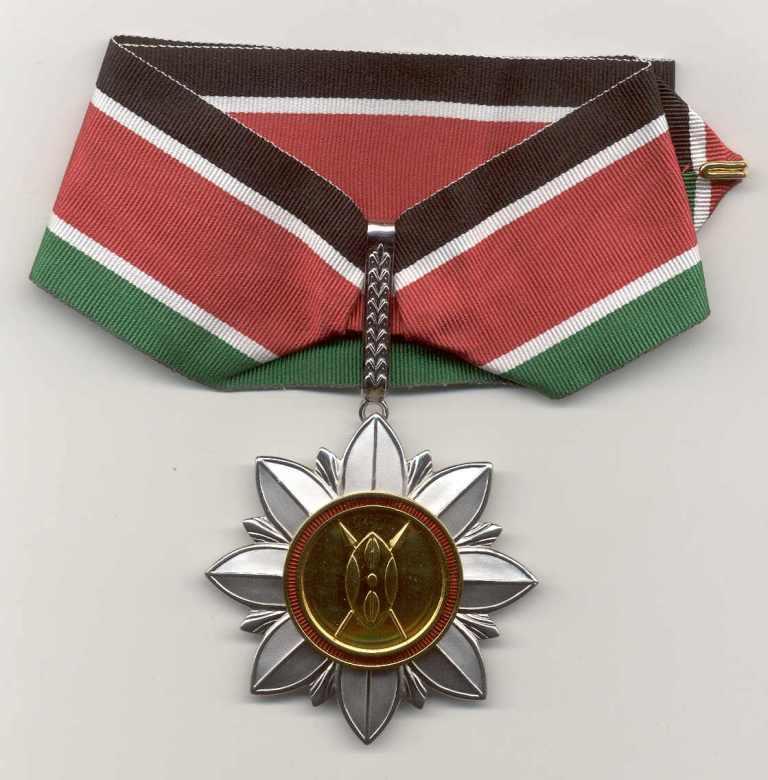
Elder of the Order of the Burning Spear (EBS)
The Elder of the Order of the Burning Spear (EBS) is the second class of the Order of the Burning Spear. It recognises meritorious service, leadership and exceptional contributions in areas such as public administration, education, science, security, business and community development.
Recipients include individuals whose professional achievements or public service have made a meaningful difference to the country.
One example is Bob Munro, founder of the Mathare Youth Sports Association, who has been recognised with the EBS for his contribution to youth development and community initiatives through sport.
The EBS ranks below CBS and above Moran of the Order of the Burning Spear (MBS).
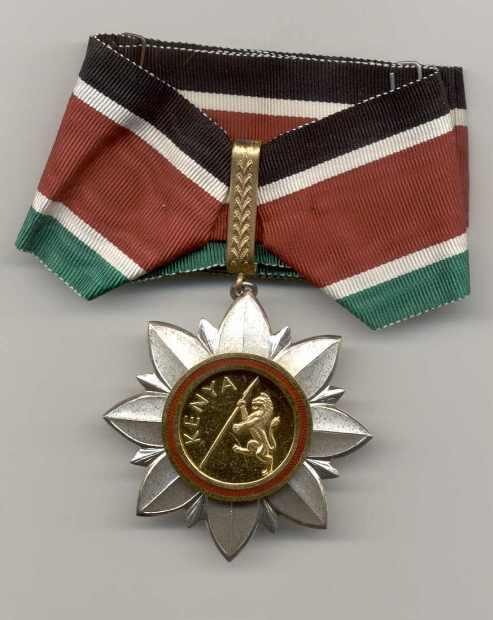
Moran of the Order of the Burning Spear (MBS)
The Moran of the Order of the Burning Spear (MBS) is the third class of the Order of the Burning Spear. It recognises individuals who have demonstrated distinguished service and made notable contributions to national development in their respective fields.
The recipients may include professionals, public servants, academics, community leaders and other citizens whose work has benefited the country.
The late Professor Wangari Maathai, the Nobel Peace Prize laureate renowned for her environmental conservation efforts, was among the prominent Kenyans reported to have received the MBS honour. Her work in environmental protection and community mobilisation became internationally recognised.
The MBS title is therefore a formal recognition of service and achievement, ranking below CBS and EBS within the Order of the Burning Spear.
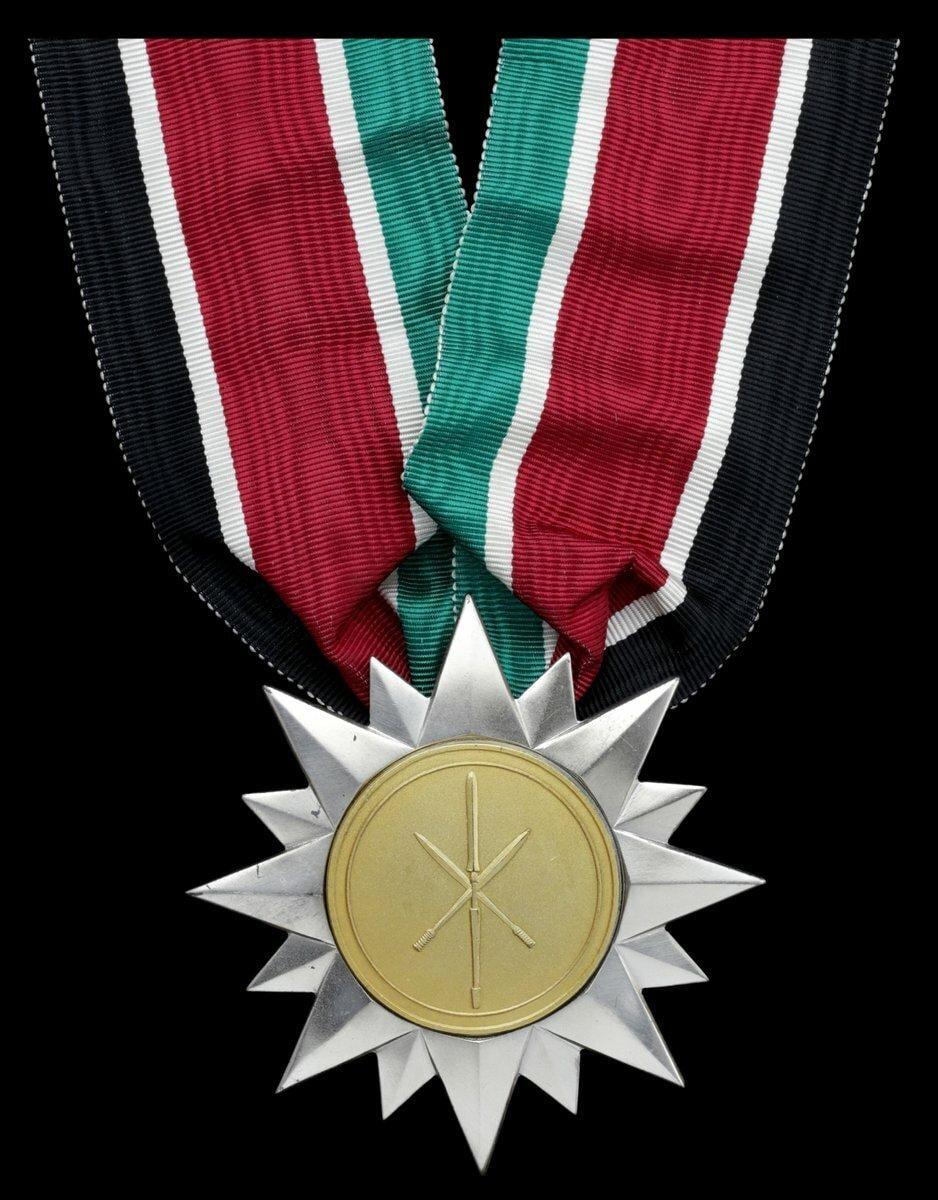
Order of the Grand Warrior of Kenya (OGW)
The Order of the Grand Warrior of Kenya (OGW) recognises individuals who have demonstrated selfless, dedicated and outstanding service to the country. The award is given to people whose actions or achievements have contributed significantly to national welfare, public service, community development or the protection of others.
Recipients can come from different professions and backgrounds, including public service, the arts, sports and community leadership.
A notable example is the late Salah Farah, a Kenyan teacher who received the OGW posthumously after displaying extraordinary courage during the 2015 Mandera bus attack. He was reported to have sought to protect Christian passengers from the attackers, an act that drew national attention to his bravery and commitment to the protection of others.
The OGW is a distinct national honour and should not be confused with the three classes of the Order of the Golden Heart or the Order of the Burning Spear.
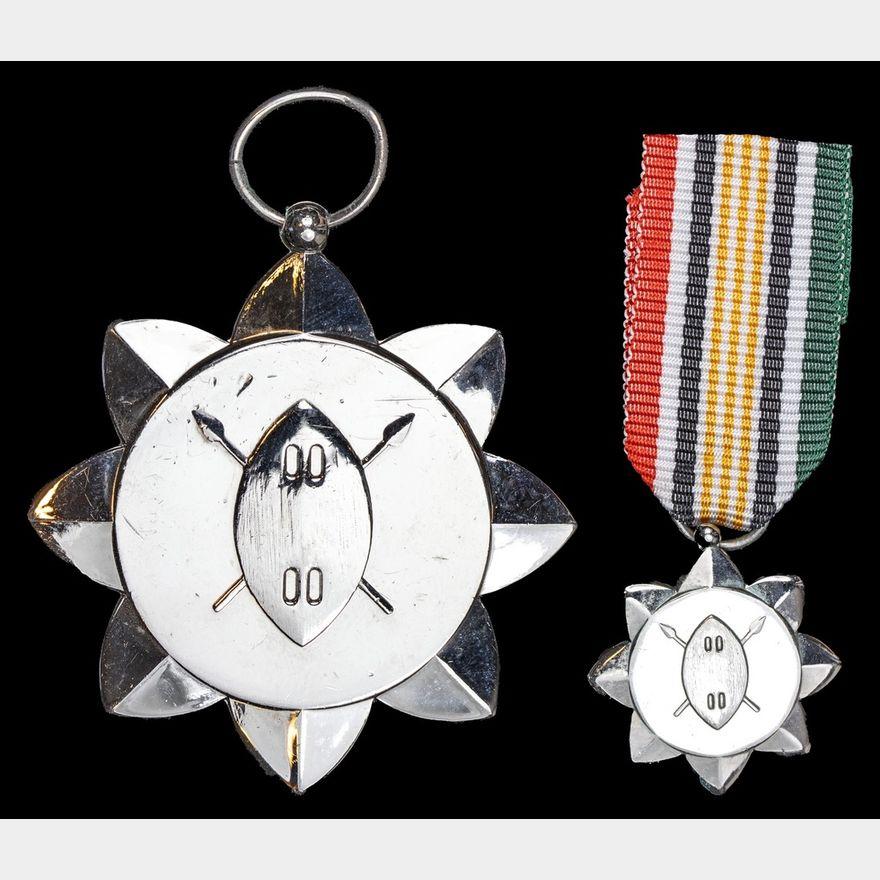
Head of State’s Commendation (HSC)
The Head of State’s Commendation (HSC) recognises commendable service and notable contributions to the country. Unlike the three-class structures of the Golden Heart and Burning Spear orders, the HSC is a commendation with civilian and military divisions.
It can recognise individuals serving in different capacities whose work, conduct or dedication merits presidential recognition.
The civilian division may recognise public servants, professionals and community members, while the military division recognises eligible members of the disciplined services for commendable service.
The award highlights the importance of service and dedication, including contributions that may take place outside the highest levels of government.
Recipients are formally recognised by the Head of State for their service to the Republic.
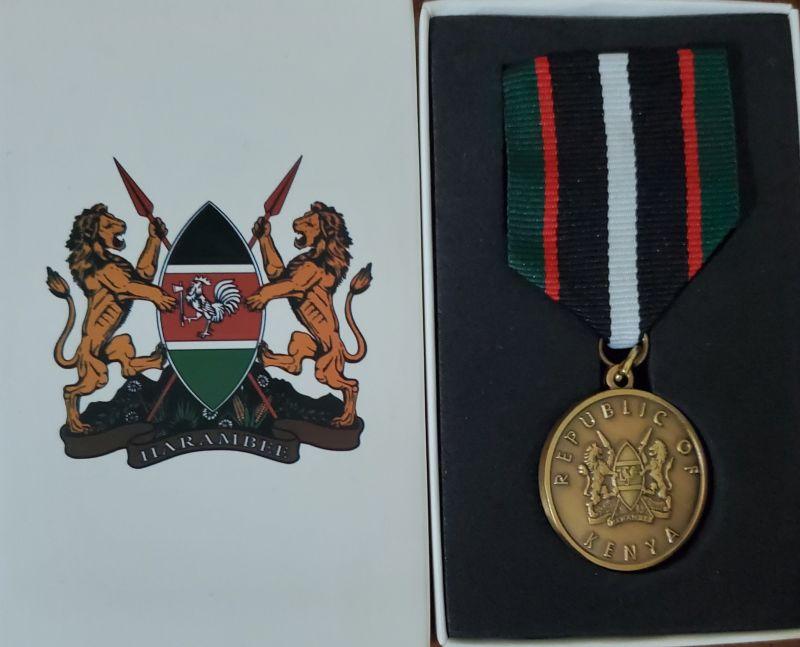
How Kenya’s national honours system works
Kenya’s national honours system has developed over several decades. The establishment of foundational honours, including the Order of the Golden Heart, the Order of the Burning Spear and the Head of State’s Commendation, dates back to 1966.
The Order of the Grand Warrior of Kenya and additional decorations were introduced later, with 1983 identified as another important milestone.
The National Honours Act, 2013, subsequently established a legal framework for administering the awards. The legislation provides for advisory committees that consider nominations and advise on the conferment of honours.
The President confers the awards in accordance with the applicable constitutional and legal framework.
The Act recognises exemplary contributions in fields including economic and social development, science, academia, public administration, governance, sports, journalism, business and security. Honours may also recognise individuals who have brought honour, glory or pride to the Republic.
Do national honours come with financial benefits?
National honours are primarily a form of official recognition rather than a guaranteed financial reward.
Receiving an honour does not automatically entitle a person to a government salary, a public office or a diplomatic passport. The National Honours Act provides for regulations addressing privileges and benefits that may attach to honours, but the award itself should not be interpreted as an automatic entitlement to money or other benefits.
Recipients are recognised for their service and may use the appropriate initials after their names to identify the honours they have received.
What the abbreviations mean at a glance
| Abbreviation | Full meaning |
|---|---|
| CGH | Chief of the Order of the Golden Heart |
| EGH | Elder of the Order of the Golden Heart |
| MGS | Moran of the Order of the Golden Heart |
| CBS | Chief of the Order of the Burning Spear |
| EBS | Elder of the Order of the Burning Spear |
| MBS | Moran of the Order of the Burning Spear |
| OGW | Order of the Grand Warrior of Kenya |
| HSC | Head of State’s Commendation |
