
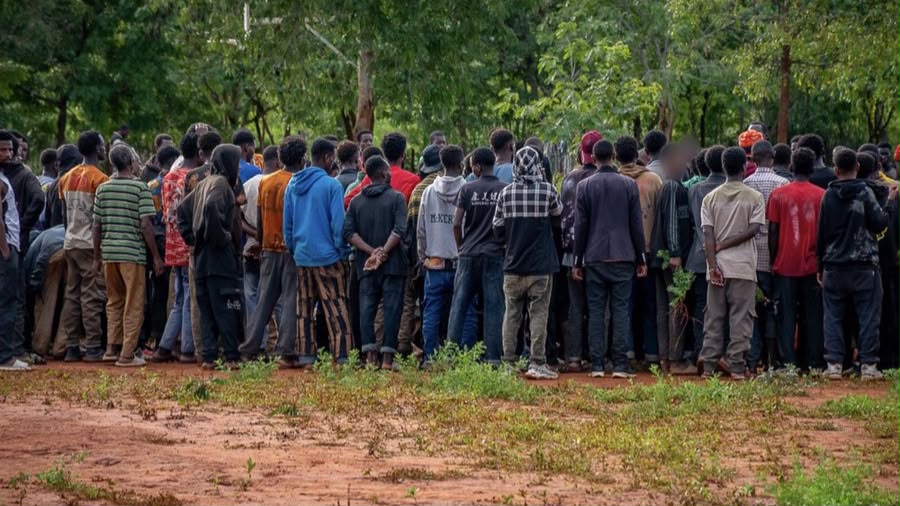
The Kenya National Commission on Human Rights (KNCHR) has called for urgent humanitarian assistance for approximately 40,000 people who have crossed into Moyale after fleeing unrest in Ethiopia.
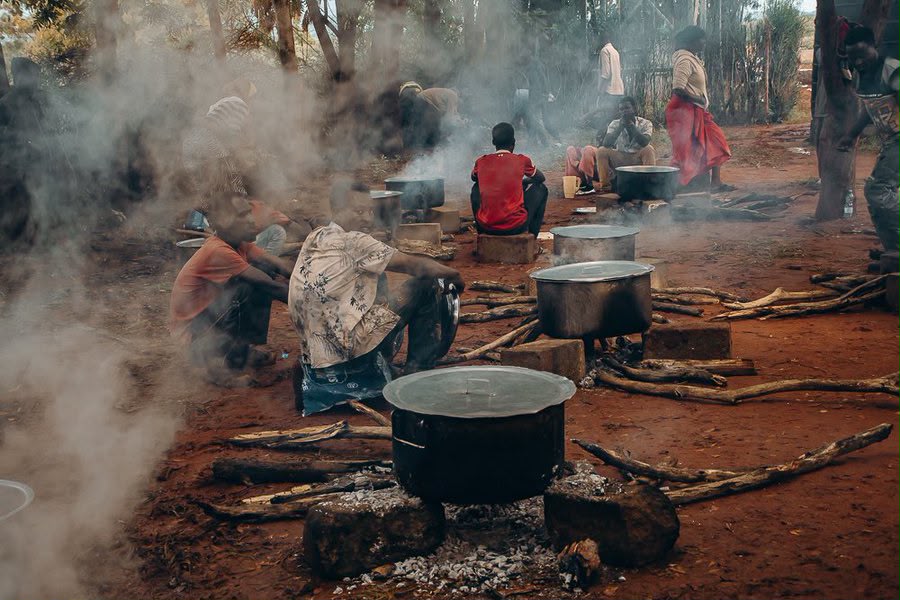
In a press statement issued on Tuesday, October 27, 2026, the Commission raised concerns over the growing pressure on food, clean water, shelter, sanitation and healthcare services as the influx strains resources in the border town.
More than 15,000 people are reportedly accommodated in eight temporary shelters, while over 20,000 others are staying with relatives and friends.
Among the reported shelter locations are St. Mary’s Catholic Church, Harhosha Secondary School, Manyatta Burji, Sessi and Lanzi Mosque Hospital, alongside other sites.
KNCHR noted that although the situation was reported to be calm on both sides of the border on Tuesday morning, rainfall across the Moyale area had heightened concerns over exposure, sanitation and potential outbreaks of communicable diseases.
“The influx is placing significant pressure on host communities and available resources, particularly food, clean water, shelter, sanitation and healthcare,” the Commission stated.
The Commission also highlighted the urgent need for maternal and newborn healthcare after reports emerged that two women had given birth at Manyatta and two others at Bitiye.
It called for emergency treatment, reproductive healthcare and postnatal support for the affected women and their newborns.
KNCHR reminded the government that people seeking safety in Kenya are entitled to protection under the Constitution and applicable international law, regardless of their nationality, ethnicity or immigration status. “The Commission stresses that human rights protection does not cease at national borders,” the statement read.
The Commission cited Article 28 of the Constitution, which guarantees respect for and protection of human dignity, and Article 21(1), which obliges the State and its organs to observe, respect, protect, promote and fulfil the rights outlined in the Bill of Rights.
It further pointed to Article 43, which guarantees access to healthcare, reproductive healthcare, adequate housing and sanitation, sufficient food, and clean and safe water.
Article 43(2) expressly prohibits the denial of emergency medical treatment, while Articles 26, 27 and 29 protect the rights to life, equality and non-discrimination, and freedom and security of the person.
The Commission also called for the protection of asylum seekers and refugees in accordance with Kenya’s international obligations, including the principle of non-refoulement, which prohibits returning people to places where they face specified serious risks.
It cited the Refugees Act, No. 10 of 2021, as the domestic legal framework governing refugee protection, noting that reception, registration and screening must be conducted humanely and lawfully.
The human rights commission urged the national government, the Department of Refugee Services and the Marsabit County Government to coordinate the response and ensure displaced people can access essential services.
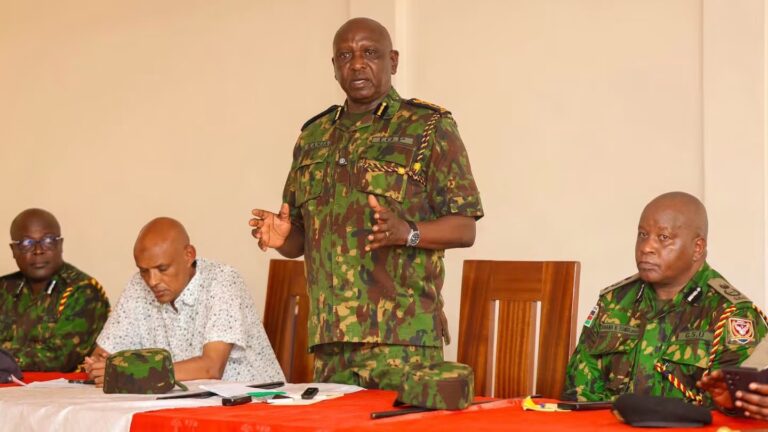






It called on the Ministry of Health and county authorities to deploy medical teams, personnel and supplies to affected locations, prioritising emergency care, safe deliveries, antenatal and postnatal services, immunisation, nutrition and treatment of acute illnesses.
Authorities were also urged to strengthen disease surveillance, provide safe water and sanitation, improve waste disposal and implement measures to prevent disease outbreaks.
Disaster management agencies were asked to conduct rapid assessments of humanitarian needs and coordinate the provision of food, weather-appropriate shelter, water, sanitation and healthcare.
KNCHR emphasised that assistance must extend beyond people living in formal shelters to include those accommodated by host families.
The Commission also called on the United Nations High Commissioner for Refugees (UNHCR), the International Organization for Migration (IOM), the Kenya Red Cross and other humanitarian organisations to mobilise emergency resources and technical support.
The assistance, it said, should include food, clean water, shelter, hygiene supplies, healthcare, child protection and psychosocial support.
Protection agencies were further urged to establish accessible referral services for women and girls at risk of violence or exploitation, unaccompanied children, persons with disabilities, older people and others requiring specialised assistance.
KNCHR called on security agencies and border authorities to maintain public safety while ensuring that all security measures remain lawful, necessary, proportionate and non-discriminatory. It stressed that security screening should complement humanitarian assistance rather than replace it.
The Commission also urged local leaders, religious institutions, host communities and civil society organisations to continue supporting displaced people in coordination with authorities.
They were asked to identify urgent needs, share verified information and help prevent stigma, exploitation and discrimination, while ensuring that the welfare and legitimate needs of host communities are also addressed.
KNCHR said it would continue engaging relevant authorities and stakeholders within its mandate to promote accountability and monitor human rights conditions in Moyale.
The monitoring will assess living conditions, access to essential services and protection risks, as well as document alleged human rights violations.
The Commission warned that the reported calm presented an opportunity for authorities and humanitarian partners to address immediate needs before the situation deteriorates. “The protection of life and human dignity cannot be postponed,” KNCHR stated.
It urged all responsible authorities and partners to act urgently, coordinate their interventions and ensure that everyone seeking safety in Moyale is protected by the law and can access essential humanitarian assistance.
