

The European Bank for Reconstruction and Development (EBRD) has invested US$100 million in the initial public offering (IPO) of Egypt’s Banque du Caire, acquiring a 6.9 per cent stake in one of the country’s largest commercial banks.
The investment, announced as part of the bank’s stock market listing, is aimed at supporting Egypt’s privatisation programme, increasing private-sector participation in the financial sector and strengthening the country’s capital markets.
The EBRD is making the investment alongside the International Finance Corporation (IFC), which has also committed US$100 million to the offering, bringing the combined investment by the two multilateral development institutions to US$200 million.
The IPO involves the listing of 45 per cent of Banque du Caire’s common shares on the Egyptian Exchange (EGX), marking a significant step in the government’s efforts to attract private investors into the banking sector.
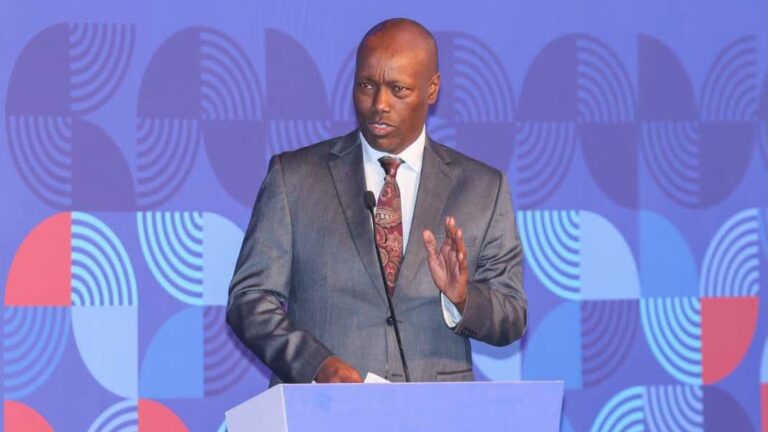
Francis Malige, EBRD Managing Director for Financial Institutions, described the transaction as a major milestone for the bank and Egypt’s privatisation programme.
“Banque du Caire’s IPO is a resounding success. The EBRD is proud to take part in this significant step, which is not only a landmark transaction for Banque du Caire but also a strategic milestone for the broader national privatisation programme,” Malige said.
He explained that the EBRD’s participation was intended to encourage wider private ownership and attract institutional investors into Egypt’s financial sector.
“The EBRD invests as a long-term institutional investor, helping to achieve broad private ownership, attract institutional capital and reinforce confidence in Egypt’s structural reform agenda,” he stated.
Malige added that the institution looked forward to strengthening its partnership with the Egyptian lender as it transitions into a publicly listed company.
Through the investment, the EBRD will support Banque du Caire in adopting the governance and operational standards required of publicly listed companies.
The support will cover corporate governance, digital transformation, cybersecurity, and environmental, social and climate-related practices.
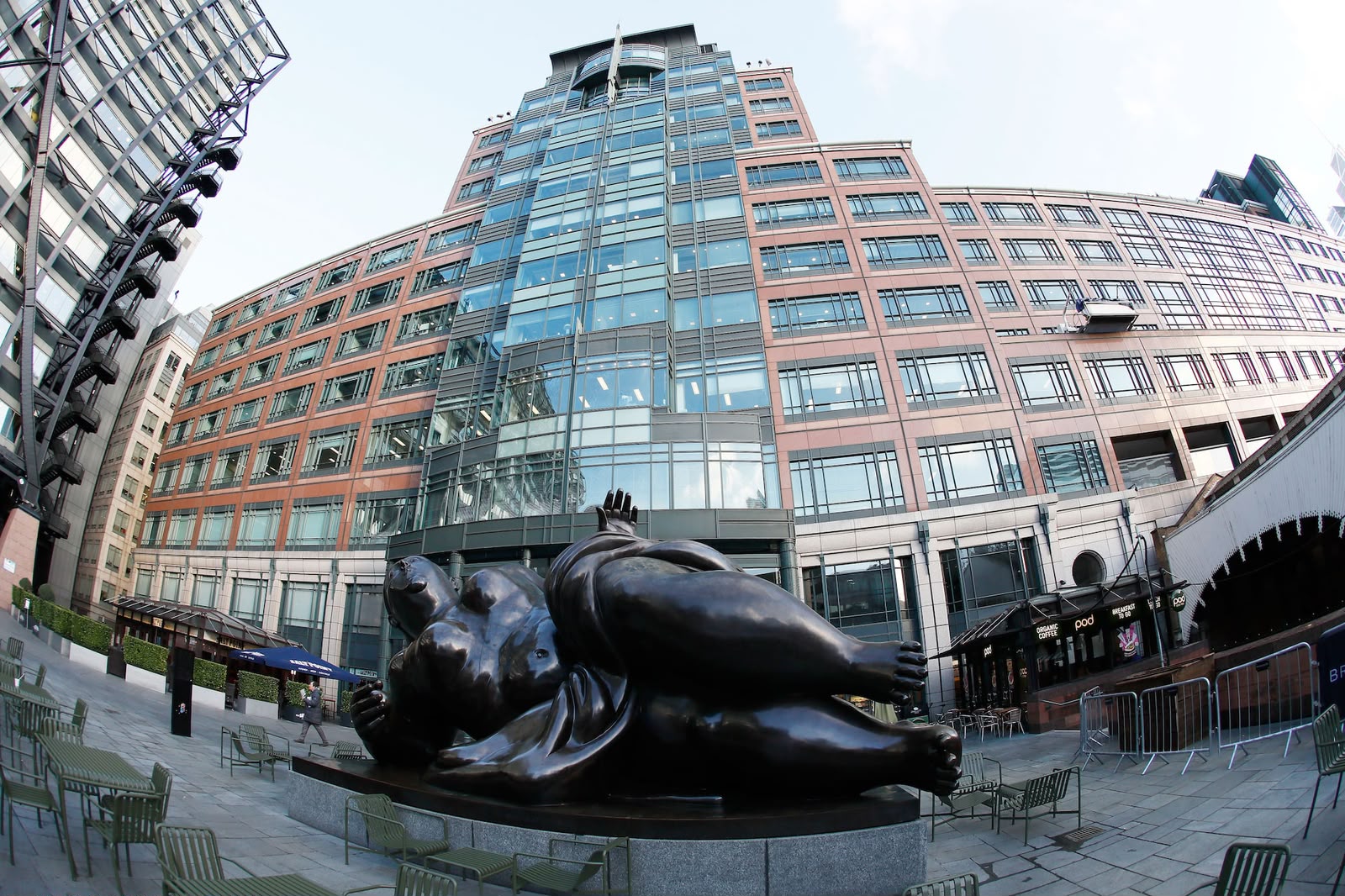
In addition to the equity investment, the EBRD will provide technical assistance to strengthen the bank’s digital transformation, cybersecurity and environmental and social risk-management capabilities.
The institution will also support Banque du Caire’s focus on financing small and medium-sized enterprises (SMEs), which play a significant role in employment creation and economic development.





Banque du Caire was established on May 8, 1952, by a group of Egyptian businessmen, economists and lawmakers, making it one of the country’s oldest commercial banks.
The bank was nationalised in 1961 and subsequently operated under government ownership. Its majority shareholder before the IPO was state-owned Banque Misr.
Egypt has made several attempts to partially privatise Banque du Caire over the years.
In 2008, the government planned to sell a 67 per cent stake in the lender, but the transaction was abandoned amid concerns over valuation and the global financial crisis.
Further attempts to float shares in 2020, 2022 and 2023 were postponed amid economic uncertainty, the Covid-19 pandemic, rising interest rates and foreign-exchange pressures.
The latest IPO therefore represents a renewed effort to attract private capital into the Egyptian banking industry.
Ahead of the listing, Egypt’s Financial Regulatory Authority approved an increase in the portion of shares being offered from the initially planned 30 per cent to 45 per cent.
The offering was valued at approximately EGP36.4 billion (US$680 million), with shares priced at EGP5.30 each. Banque Misr retained a controlling 55 per cent stake in the lender.
Banque du Caire also reported improved financial performance in 2025, with net profit increasing by 30 per cent to EGP16.1 billion, compared with EGP12.4 billion in 2024.
Its total assets grew by 10 per cent to EGP533 billion, while gross loans reached EGP258 billion and customer deposits stood at EGP401 billion.
The EBRD began operations in Egypt in 2012 and has since invested in various sectors of the country’s economy, supporting private-sector development, infrastructure and financial institutions.
