

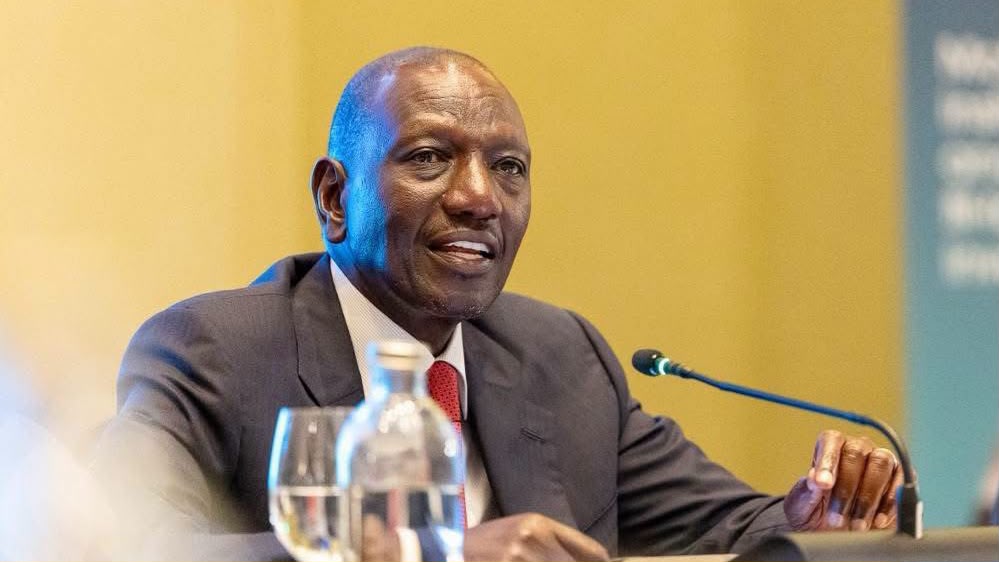
President William Ruto has called on European investors to increase their investments in Kenya, identifying manufacturing, infrastructure, agriculture, energy and healthcare as five key sectors requiring greater investment.
The President said Kenya was undertaking regulatory and administrative reforms to improve the business environment and attract more European companies seeking investment opportunities in the country.
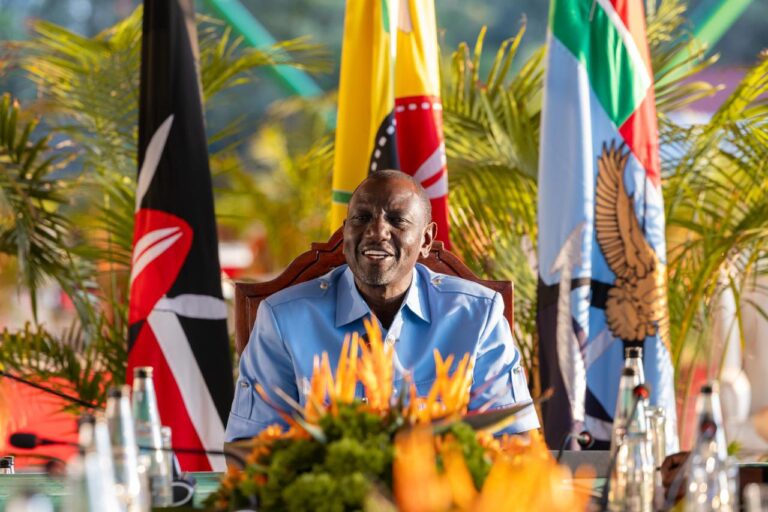
Speaking at State House, Nairobi, on Thursday, November 12, 2026, during a meeting with heads of European Union delegations to African countries, Ruto said Kenya wanted investments that would expand local production, facilitate technology transfer and create employment opportunities.
“Beyond trade, Kenya is improving its investment environment through regulatory and administrative reforms. We seek greater European investment in manufacturing, infrastructure, agriculture, energy, and healthcare that expands local production, transfers technology, and creates jobs,” he stated.
The President’s appeal comes as Kenya and the European Union mark 50 years of diplomatic relations, with both sides seeking to strengthen cooperation in trade, investment, infrastructure, technology and development.
Ruto said the partnership should go beyond diplomatic engagements and signed agreements to deliver tangible economic benefits to Kenyans.
He noted that the European Union’s Global Gateway initiative provided an important platform through which Kenya could attract additional investment and financing for major development projects.
During his visit to Brussels in June 2026, the President said the EU announced investments targeting the Northern Corridor, fibre-optic connectivity, digital land registration, digital transformation centres and the integration of refugee settlements into host communities.
He urged European partners to use the initiative to mobilise additional affordable financing through concessional and blended financing instruments.
“We suggest leveraging the Global Gateway initiative to mobilise additional, affordable financing through concessional and blended instruments, with meaningful African enterprise participation,” Ruto said.
He further insisted that the success of the investments should be measured by the infrastructure delivered, jobs created, technology transferred and local industries strengthened.
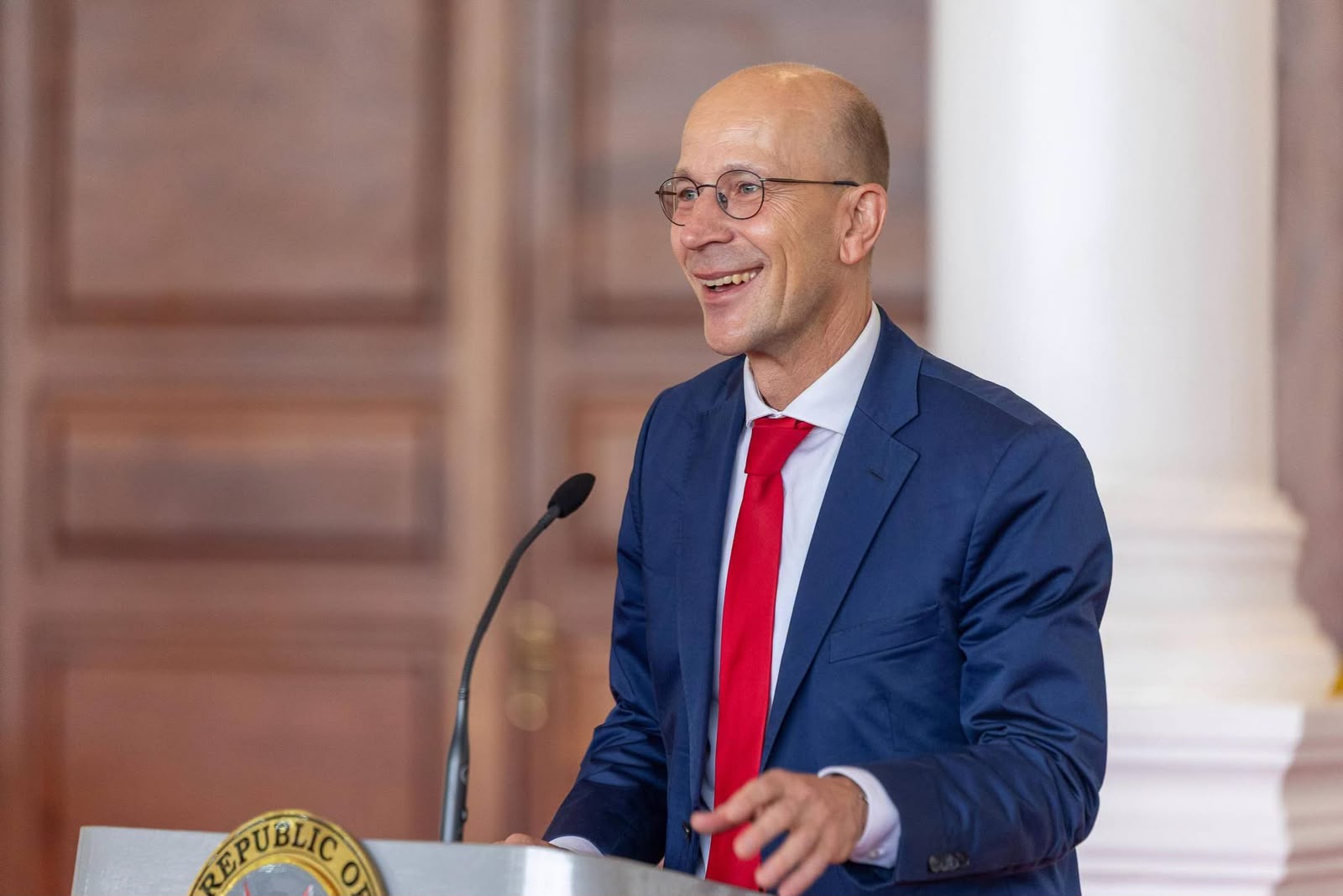
The Global Gateway is the European Union’s international investment strategy aimed at supporting infrastructure and connectivity projects in partner countries, particularly in digital technology, energy, transport, health and education.
Kenya is among the African countries targeted through the initiative, which seeks to mobilise public and private financing for projects that support sustainable development and economic growth.
For Kenya, the Northern Corridor is one of the infrastructure priorities highlighted by Ruto.
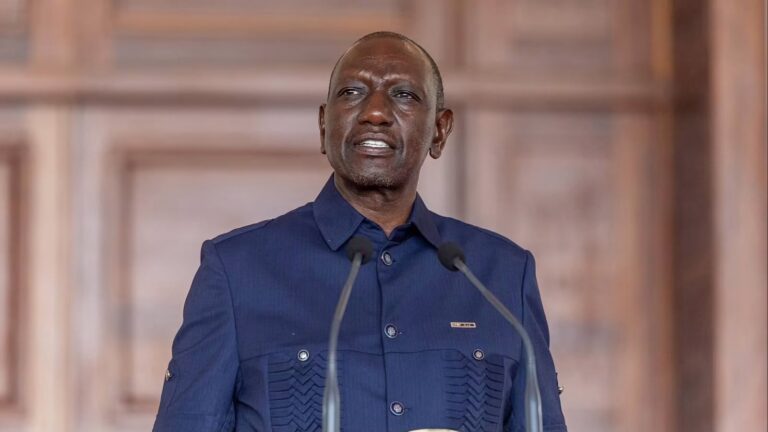
The corridor connects the Port of Mombasa to Kenya’s hinterland and neighbouring landlocked countries, making it an important route for regional trade and the movement of goods.
Investment in the corridor is expected to support transport infrastructure, improve connectivity and facilitate the movement of cargo between Kenya and other East African countries.
The President also highlighted fibre-optic connectivity and digital transformation projects as areas where European investment could support Kenya’s development ambitions.
He said the country wanted to strengthen its position as a technology and innovation hub rather than remain a consumer of imported digital solutions.
Ruto’s investment appeal comes against the backdrop of growing trade relations between Kenya and the European Union.
The President disclosed that the EU accounts for 21 per cent of Kenya’s global exports, making it the country’s largest export market.
Kenya’s major exports to European countries include tea, coffee, horticultural products and cut flowers, which support hundreds of thousands of livelihoods.
The Economic Partnership Agreement (EPA) between Kenya and the EU, which came into force in July 2024, provides Kenyan products with access to the European market.
Ruto said the agreement and its 10-year implementation strategy, launched in July 2026, should translate market access into tangible economic benefits.
However, he identified stringent sanitary and phytosanitary requirements, rising freight costs and inadequate cold-chain infrastructure as challenges affecting Kenyan exporters, particularly smallholder producers.
The President also called for accelerated negotiations towards a regional Economic Partnership Agreement between the East African Community and the European Union.
He said addressing these challenges would help Kenyan producers take greater advantage of opportunities in the European market.
