


President William Ruto and Nairobi Senator Edwin Sifuna have emerged as joint frontrunners in the 2027 presidential race, with each attracting 31 per cent support in a new national opinion poll by TIFA Research.
The findings place the two politicians level in the survey’s measure of who Kenyans would like to win the next presidential election, while other potential candidates trail behind. The poll also points to significant changes in the opposition political landscape, with Sifuna’s support rising sharply as the ratings of several established opposition figures decline.
According to the survey, former Vice President Kalonzo Musyoka attracted 9 per cent support, followed by former Interior Cabinet Secretary Fred Matiang’i at 5 per cent and former Deputy President Rigathi Gachagua at 4 per cent.
Kiharu MP Ndindi Nyoro received 1 per cent, while another 1 per cent selected other candidates. Meanwhile, 15 per cent of respondents were undecided, 2 per cent said none of the candidates and another 2 per cent did not respond.
The results are contained in TIFA Research’s November 2026 survey report, titled Kenya’s 2027 Electoral Landscape: Political Alignment and the Evolving Presidential Contest, released on Thursday, November 12.
The survey was conducted between October 26 and November 5, 2026, through household-based, face-to-face interviews with 2,036 randomly selected Kenyan adults aged 18 and above across all 47 counties.
TIFA reported a margin of error of plus or minus 2.16 percentage points for the full sample, noting that the margins are larger for smaller sub-samples.
The latest findings reveal a significant change in the presidential preference ratings compared with TIFA’s previous surveys.
Ruto’s support has risen from 19 per cent in November 2025 to 31 per cent in November 2026, an increase of 12 percentage points.
Sifuna, on the other hand, has recorded an even more pronounced rise. He had no measurable support in the November 2025 survey, before registering 10 per cent in May 2026, 15 per cent in June and 31 per cent in November.
The two politicians have therefore experienced different trajectories, with Ruto recording a gradual increase while Sifuna has made a sharp entry into the leading position.
TIFA observed that Sifuna’s rise has come at the expense of other opposition hopefuls rather than President Ruto.
The research organisation noted that the ratings of other opposition figures have declined during the same period, particularly Kalonzo and Matiang’i.
Kalonzo’s support has fallen from 25 per cent in November 2025 to 9 per cent in the latest survey, a decline of 16 percentage points.
Matiang’i has also experienced a drop, with his rating falling from 19 per cent to 5 per cent over the same period.
Ruto’s rating, meanwhile, has increased from 19 per cent to 31 per cent, coming close to doubling.
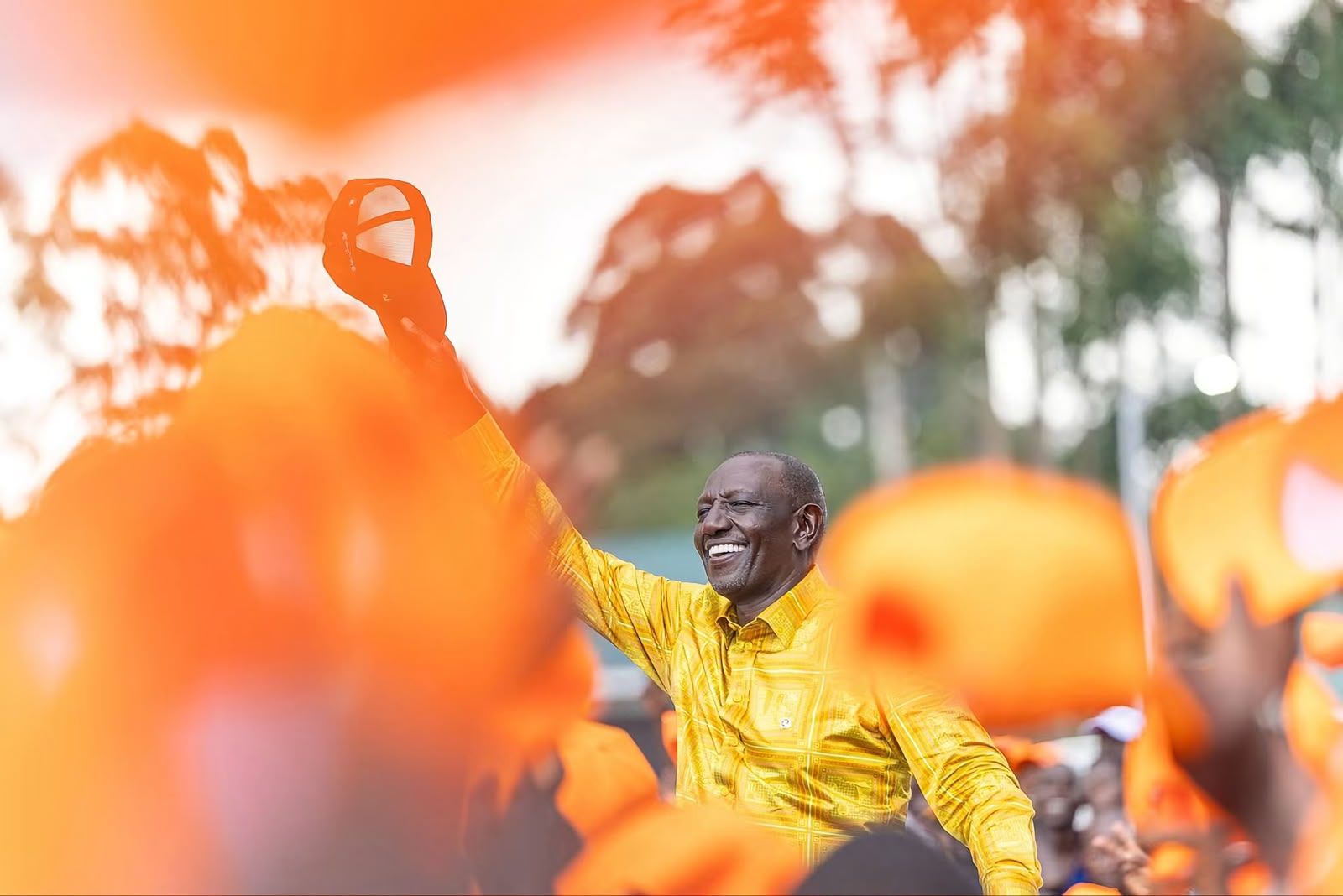
TIFA said the changes suggest that Sifuna’s growing popularity has largely been drawn from other opposition candidates rather than from the President.
The organisation, however, cautioned that it is impossible to determine whether Ruto and Sifuna have reached their highest levels of support, noting that subsequent surveys may provide a clearer picture as the actual presidential candidates and their running mates become known.
The poll also provides a regional breakdown of the presidential preferences, revealing different patterns of support across the country.
Ruto recorded his highest support in the Northern region, where 62 per cent of respondents selected him as their preferred presidential candidate.
He was followed by Central Rift at 59 per cent, Coast at 40 per cent, Nyanza at 35 per cent and South Rift at 29 per cent.

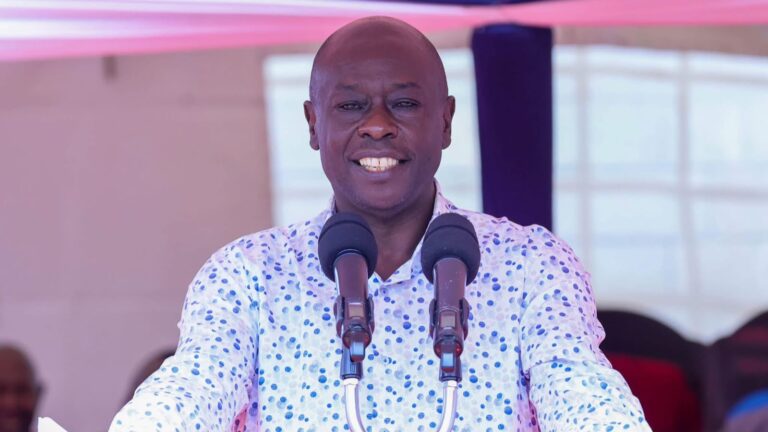

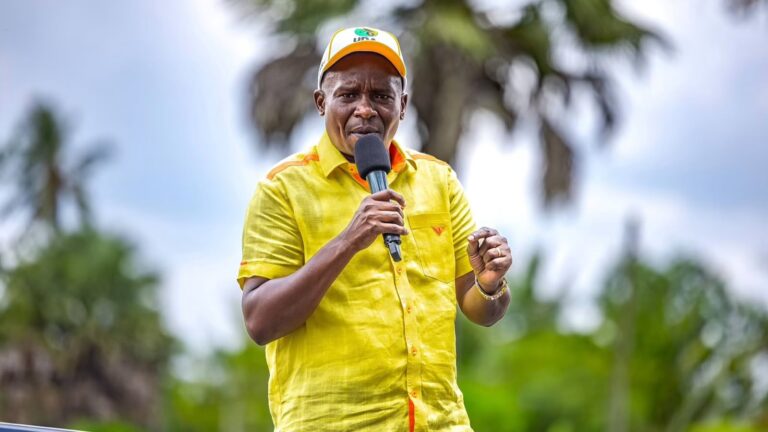
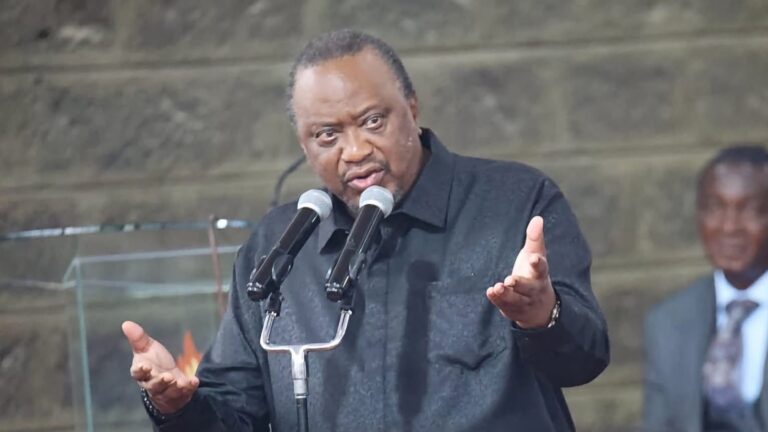

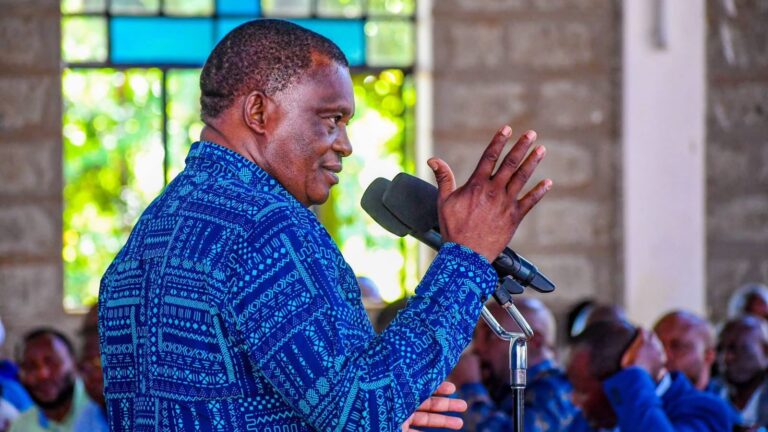
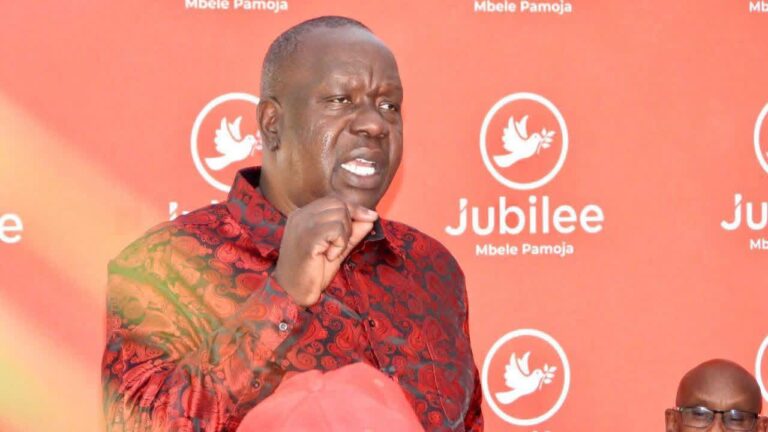

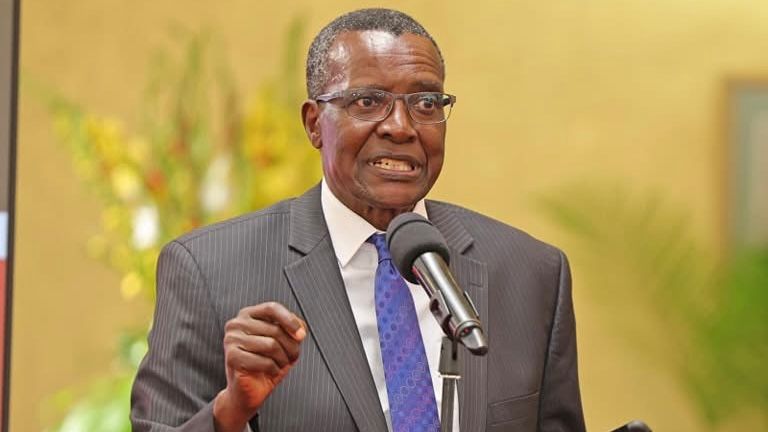
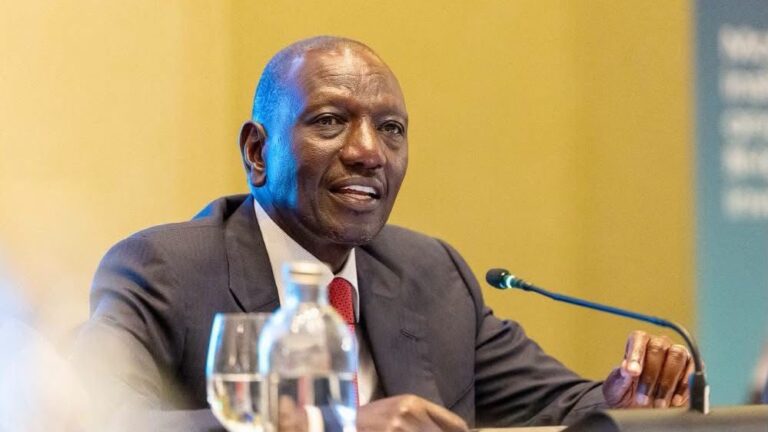
In Western, the President attracted 25 per cent support, followed by Lower Eastern at 20 per cent, Nairobi at 13 per cent and Mt Kenya at 11 per cent.
Sifuna, meanwhile, recorded his strongest support in Western, where 55 per cent of respondents identified him as their preferred candidate.
He attracted 39 per cent in Nairobi, 36 per cent in Coast, 33 per cent in Nyanza, 32 per cent in Mt Kenya and 31 per cent in South Rift.
His support stood at 20 per cent in Northern, 16 per cent in Central Rift and 8 per cent in Lower Eastern.
The regional findings show that the two leading candidates have different geographical patterns of support, with Ruto recording particularly high ratings in Northern and Central Rift, while Sifuna registered his strongest figures in Western and Nairobi.
Kalonzo’s support was concentrated in Lower Eastern, where he attracted 55 per cent. His rating in other regions was considerably lower, including 12 per cent in South Rift, 11 per cent in Nairobi, 6 per cent in Mt Kenya, 5 per cent in Nyanza, 3 per cent in Coast and Northern, and 2 per cent in Central Rift. He received no support in Western.
Matiang’i recorded his highest regional rating in Nyanza at 12 per cent, followed by Nairobi at 10 per cent and Mt Kenya at 8 per cent. His support stood at 5 per cent in South Rift, 4 per cent in Central Rift, 2 per cent in Coast and Lower Eastern, and 1 per cent in Northern. He received no support in Western.
Gachagua recorded 11 per cent in Mt Kenya, 4 per cent in Coast, 3 per cent in Nairobi, Northern and South Rift, and 1 per cent in Central Rift, Lower Eastern and Nyanza. He received no support in Western.
Nyoro attracted 3 per cent in Mt Kenya and 1 per cent in South Rift, with no support recorded in the other regions.
The poll also found that undecided respondents were most prominent in Mt Kenya, where they accounted for 21 per cent, followed by Nairobi at 17 per cent and Central Rift at 16 per cent.
TIFA also compared presidential preferences with respondents’ views on the Broad-Based Government arrangement between Ruto and the late former Prime Minister Raila Odinga.
The findings showed a strong relationship between respondents’ position on the arrangement and their preferred presidential candidate.
Among those who support the Broad-Based Government, Ruto attracted 83 per cent support, while Sifuna received 5 per cent.
Among respondents who oppose the arrangement, Sifuna attracted 66 per cent, compared with 11 per cent for Ruto.
The report noted that although the two candidates are tied nationally, Ruto commands nearly all the support among those backing the Broad-Based Government, while Sifuna has attracted about two-thirds of those opposed to it.
TIFA further observed that the question of how much support currently distributed among other opposition hopefuls would eventually be consolidated behind Sifuna, or whoever becomes the opposition’s single candidate, remains unresolved.
The findings also showed that undecided respondents were more likely to have no opinion about the Broad-Based Government or to be unaware of the arrangement.
Among those undecided on their preferred presidential candidate, 36 per cent had no opinion on the Broad-Based Government, while 43 per cent were unaware of it.
At the national level, 43 per cent of respondents said they opposed the Broad-Based Government, compared with 32 per cent who supported it. The remaining 25 per cent either had no opinion or were unaware of the arrangement.
Regionally, support for the arrangement was highest in Northern at 68 per cent and Central Rift at 57 per cent. It was lowest in Mt Kenya at 12 per cent and Nairobi at 13 per cent.
