

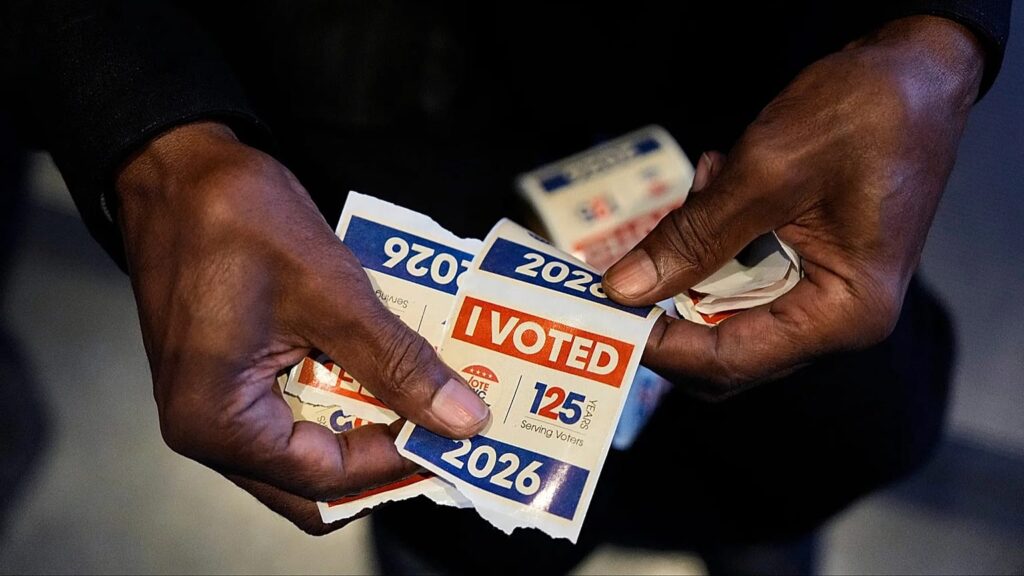
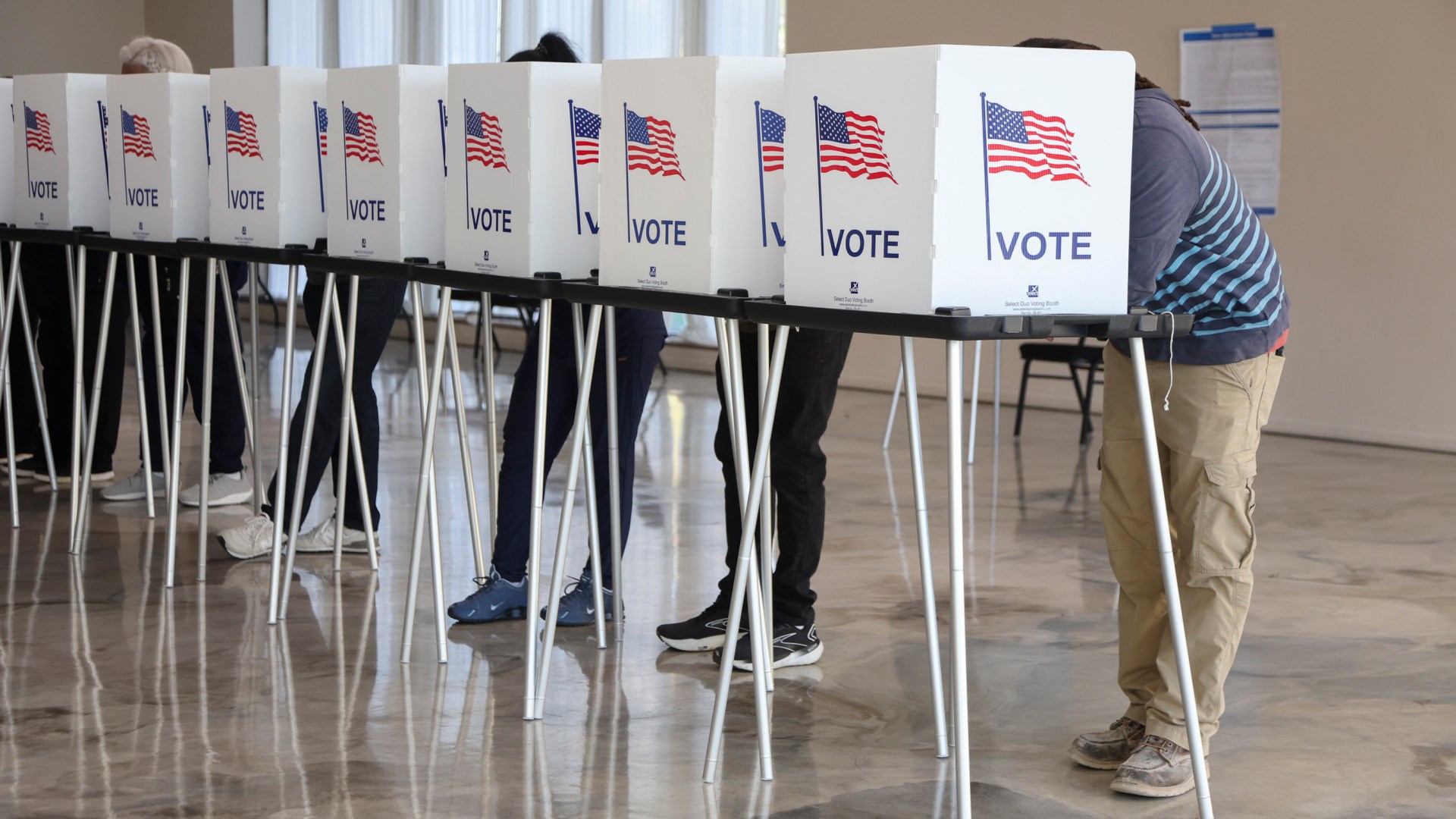
In a midterm election marked by extraordinary upsets deep in Republican territory and an eleventh-hour legal scramble over ballot access in Michigan, Democrats completed a stunning sweep of Congress on Tuesday, flipping both the House and Senate as voters delivered a sharp rebuke to President Donald Trump and his party.
The results, which exceeded even the most optimistic Democratic forecasts, saw the party win statewide races in Texas for the first time this century, claim a Senate seat in Kansas not held by a Democrat since 1932, and prevail in South Carolina, a state that had barely registered on the battleground map.
While the blue wave crashed across the map, one of the cycle’s most unusual legal dramas played out in Michigan months before Election Day. A group called Americans for Citizen Voting Michigan (ACVM) gathered over 700,000 signatures to place a proof-of-citizenship amendment on the state ballot.
However, the Michigan Board of State Canvassers invalidated the petition after a random sample review found only 626 of 1,000 signatures were valid, far below the threshold needed to certify.
ACVM made an extraordinary emergency appeal directly to the U.S. Supreme Court in late August, asking Justice Brett Kavanaugh to order the measure onto the ballot despite ongoing state litigation. The group argued that denying ballot access constituted “irreparable harm.”
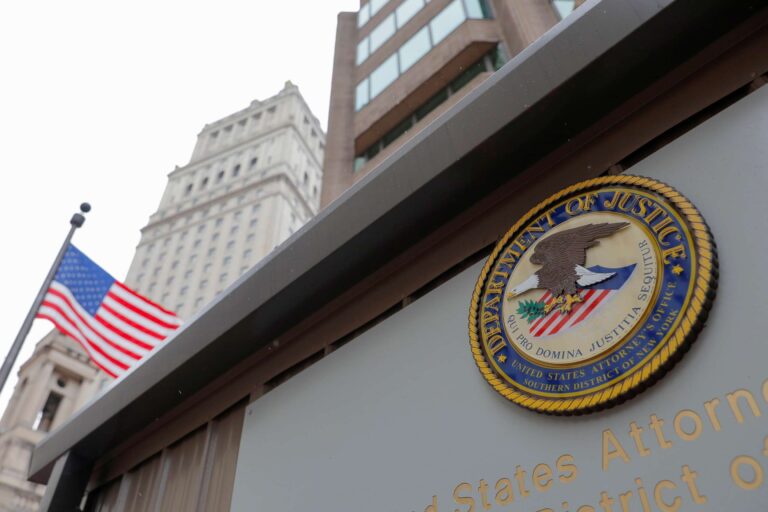
Kavanaugh rejected the application without referring it to the full court, allowing Michigan ballots to be finalised without the amendment. The episode highlighted the intense legal battles over election administration that shadowed the 2026 cycle, even as noncitizen voting remains exceedingly rare in federal elections.
The Senate battlefield expanded dramatically in the final weeks, with candidates who embraced local identities and distanced themselves from the president’s unpopularity outperforming expectations.
In Texas, Democrat James Talarico, a former middle-school teacher and Christian progressive, routed Trump-backed Attorney General Ken Paxton. “We defeated Goliath,” Talarico told supporters in Austin, citing the combined weight of Elon Musk, Trump, and the Washington establishment arrayed against him. Paxton’s deep controversies had made the race competitive despite Texas’s Republican lean.
In Kansas, Pastor Adam Hamilton defeated Republican Senator Roger Marshall in a state Democrats had not won since the Great Depression. Meanwhile, in South Carolina, Dr. Annie Andrews defeated Darline Graham, who had been appointed to her late brother Lindsey Graham’s seat, in another historic flip.
In Michigan, progressive Democrat Abdul El-Sayed, who would become the nation’s first Muslim senator, held a commanding lead over Republican Mike Rogers in the final polls, buoyed by consolidated Democratic support and worsening favourability for his opponent. The race had been roiled late by Representative Haley Stevens’s decision to endorse Rogers over her former primary rival.
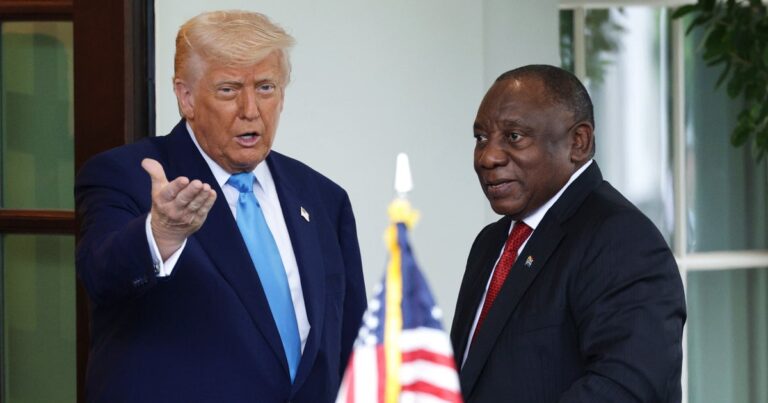 Trump Moves to Kick Rwanda, South Africa Out of US Trade Benefits Programme
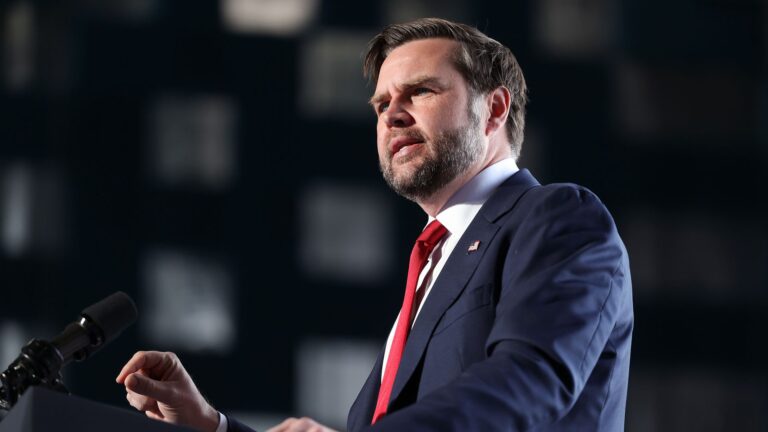 JD Vance Blames Israel War for Election Losses, Warns Party Against Ignoring Voters
 Who Was Adam Robinson? The Tech Entrepreneur Killed in Florida Learjet Crash
 Texas Tech Entrepreneur, Wife and Two Toddlers Among Nine Killed in Florida Learjet Crash





Democrats also prevailed in Ohio, where former Senator Sherrod Brown completed a comeback, and in North Carolina, where former Governor Roy Cooper became the first Democrat to win a Senate race there since 2008.
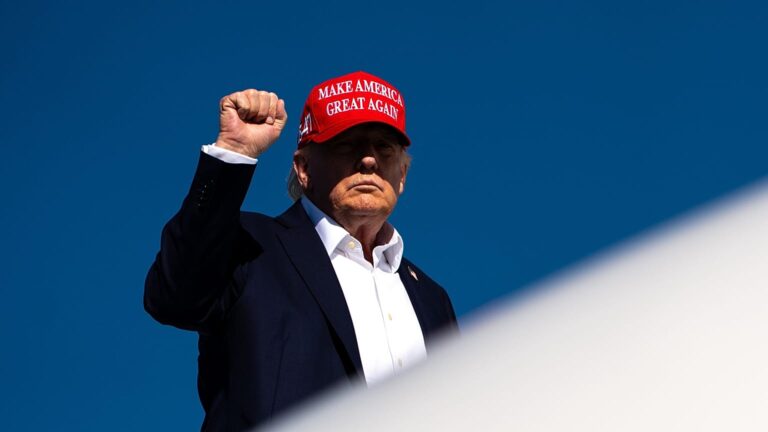
President Trump’s response to the rout was uncharacteristically conciliatory at first, followed quickly by deflection. In a telephone interview with Fox News, he offered rare praise for the opposition.
“Well, I say this: congratulations to the Democrats. They did a good job,” Trump said. “They’ve been looking for this one for 11 years, and they finally got it. But I don’t view it as a hit on me.”
Trump, who had spent the final weeks of the campaign telling supporters to “pretend I am on the ballot,” reversed course on election night. “I wasn’t on the Ballot and if I was, we would have won IN A LANDSLIDE!” he posted on Truth Social.
He acknowledged that the stalled war with Iran, which had driven up gas prices and fractured his MAGA coalition, played a role. “I think a part of it was Iran, but at the same time, people understood the importance of what I’ve done with Iran,” he told Fox.
The president also warned he was prepared to use his veto power aggressively against Democratic legislation. “They can send over, you know, 50 different great bills that they’re all excited about, and I send them back with a nice stamp – ‘veto,'” he said.
A White House official, speaking on condition of anonymity, offered a blunter assessment of the losses: “Candidate quality matters, and President Trump did a better job promoting many of the candidates on the ballot than the candidates did themselves.”
With Democrats now poised to control both chambers – and Representative Hakeem Jeffries set to become the first Black speaker in American history – Trump faces the final two years of his presidency as a lame duck confronting an opposition empowered by a decisive public mandate. The White House’s closing message to reporters on election night offered a preview of the battles to come: “President Trump’s resolve to stop the Radical Left is only going to become stronger. Buckle up.”
