
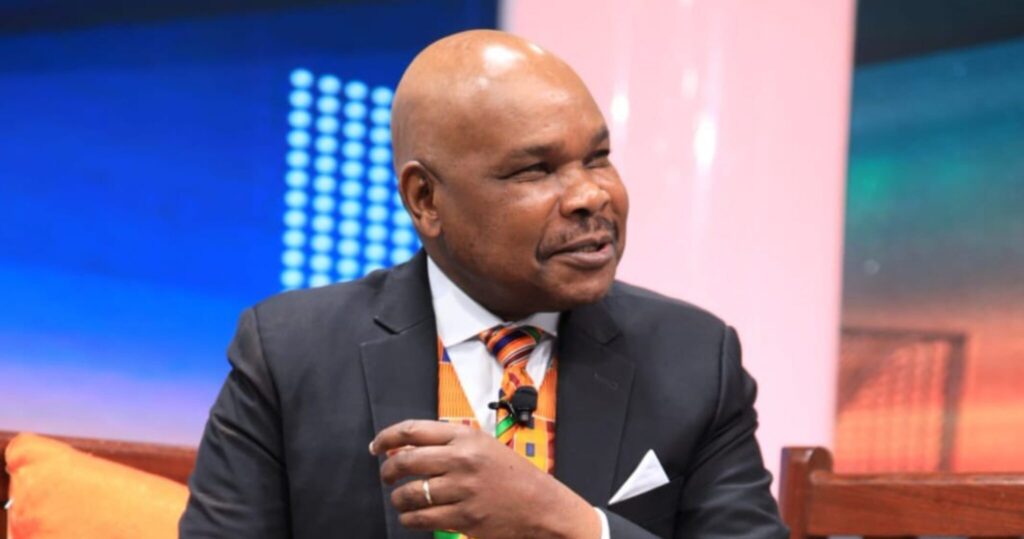
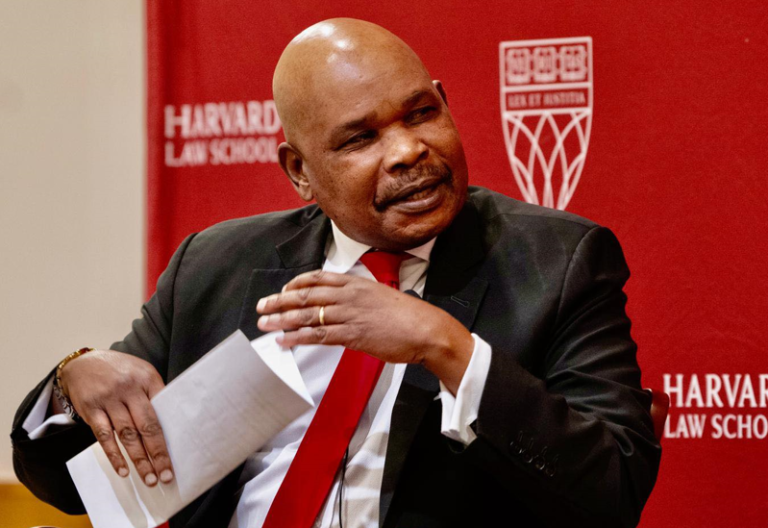
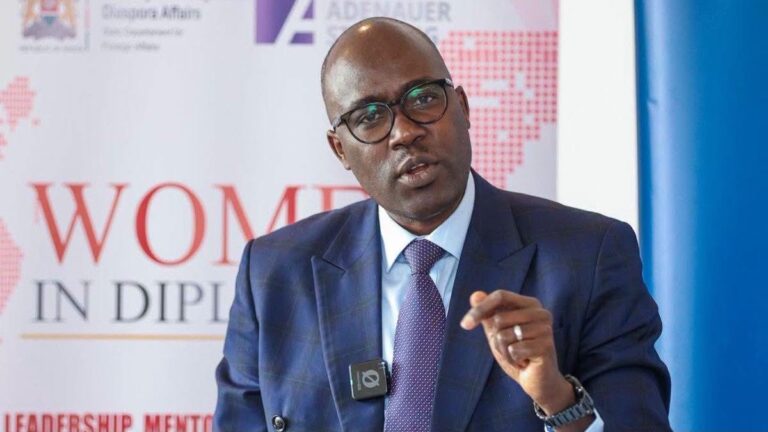
Professor Makau Mutua, chairperson of the Panel of Experts on Compensation of Victims of Human Rights Violations, has denied allegations of bribery and impropriety within the compensation process, saying an internal investigation found that two complainants had withdrawn their accusations.
In a statement issued Monday, November 9, 2026, Mutua said the panel launched an internal investigation following media reports published on November 8 that raised questions about money allegedly being demanded from people seeking compensation for human rights violations.
According to Mutua, the first complainant, Ms. Margaret Onyango Okitch, had alleged that an officer from the Independent Policing Oversight Authority (IPOA) demanded Ksh150,000 to facilitate the processing of her fatality compensation claim.
Mutua said Okitch contacted panel staff at the Kenyatta International Convention Centre (KICC) on Sunday and retracted the accusation.
“She stated that she regrets being misadvised in a victims’ WhatsApp group. She also categorically retracted the same false accusation to IPOA,” Mutua stated.
The second complainant, Ms. Stellamaries Nthenya, had accused a panel staff member at KICC of soliciting Ksh1,200 to facilitate the notarisation of her affidavit.
Mutua clarified that notarisation is an external service the panel does not provide and said Nthenya repudiated the accusation on Sunday afternoon.
The panel also addressed allegations by Mr. Fredrick Ojiro, who claimed that a panel member received Ksh100,000 as a bribe and asserted he had evidence to support the allegation.
Mutua challenged Ojiro to either report the matter to relevant authorities immediately or make public all details concerning the alleged transaction.
“The Panel advises him to immediately report these allegations to the relevant authorities or make public all the details concerning these allegations,” the statement read.
Mutua also defended the integrity of the compensation exercise, disclosing that the panel had processed 236 fatality claims to date.
 Muturi Accuses Junet Mohammed of Orchestrating Attack on Opposition Leaders in Migori
 Kang’ata Declares Re-Election Bid, Responds to Alice Wahome and Betty Maina
 Muturi Accuses Gachagua of Political Bullying, Questions Commitment to ‘Wantam’
 Huduma Kenya Outlines Special ID Registration Process for Street Persons
He maintained that applications undergo rigorous scrutiny to ensure only eligible victims receive compensation, acknowledging that verification could prolong processing times but insisting the checks were necessary to protect the programme from fraudulent claims.
“For the avoidance of doubt the Panel reiterates that as to date not a single false claim has been paid,” Mutua stated.
The panel also warned victims against fraudsters, imposters and brokers allegedly seeking to exploit people pursuing compensation, clarifying that it does not charge fees or facilitation costs for any of its services.
“Treat as fraudulent anyone asking for money to act on your behalf or to facilitate any action before the Panel,” Mutua warned.
The compensation panel, sometimes referred to as the Uwiano team, was appointed by President William Ruto and tasked with overseeing compensation for victims of human rights violations, including those arising from demonstrations and public protests.
Mutua, a SUNY Distinguished Professor and former dean at the University at Buffalo School of Law, was appointed by Ruto as Senior Adviser on Constitutional Affairs in April 2025.
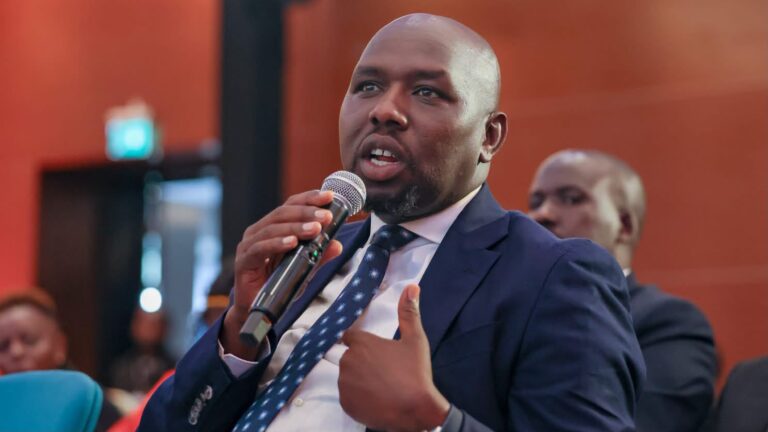
The allegations of impropriety emerged amid broader scrutiny of the compensation process. On the same day Mutua issued his statement, Democratic Party leader Justin Muturi raised concerns that the panel had recognised only one fatality among 157 cases recently approved for compensation, questioning the credibility and transparency of the exercise.
Muturi noted that the Kenya National Commission on Human Rights had documented 60 deaths during the June-July 2024 protests, with subsequent reporting recording at least 73.
The panel has also faced legal challenges over its handling of compensation claims. In August 2026, the High Court criticised Mutua’s compensation team for leaving out 35 people who had been abducted during the Gen-Z protests and ordered the team to set aside Ksh105 million for compensating abduction victims.
Mutua’s statement concluded by calling on journalists and the public to verify allegations before publishing or circulating them, while acknowledging that freedom of expression and the media remain fundamental to democracy.
