

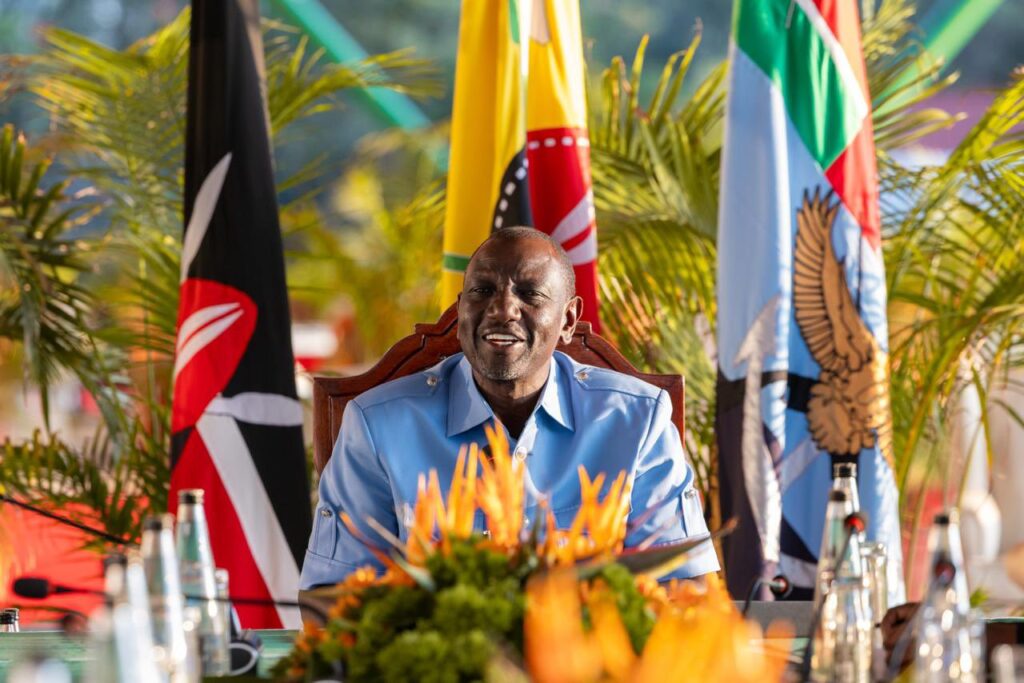
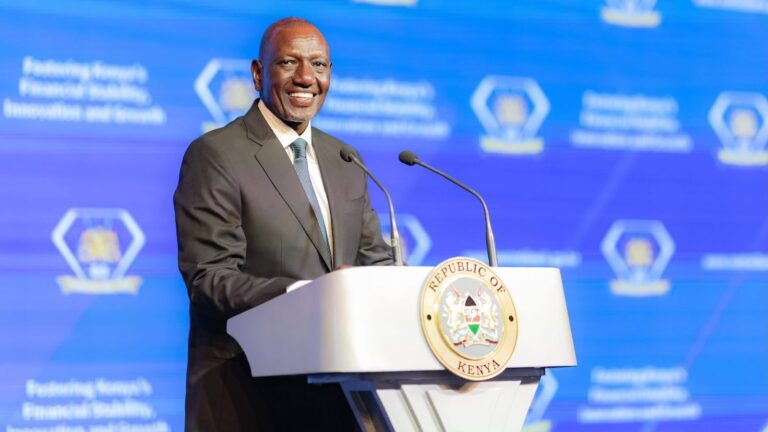
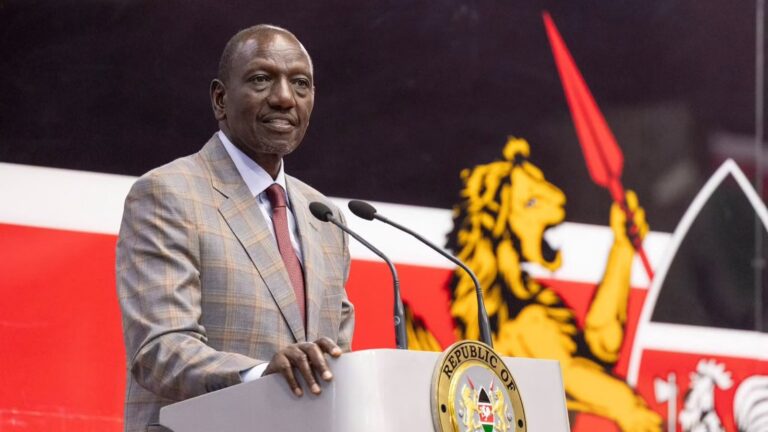
President William Ruto will deliver his 2026 State of the Nation Address to a joint sitting of Parliament on Thursday, November 19, parliamentary leadership has confirmed, setting the stage for a national address expected to centre on his administration’s new long-term development blueprint and the operationalisation of two flagship economic institutions.
The date was announced by National Assembly Speaker Moses Wetang’ula and Senate Speaker Amason Kingi in a formal communication to legislators.
“Pursuant to Article 132 (1) (b) and (c) of the Constitution, His Excellency the President will deliver the State of the Nation Address at a joint sitting of Parliament on Thursday, November 19, 2026,” Kingi said in the notice.
The address will be Ruto’s fourth since assuming office in 2022 and comes at a pivotal moment in his presidency, as his administration seeks to transition from what it describes as economic stabilisation to large-scale execution.
The November address follows a year of significant policy announcements that have shaped the government’s development agenda.
In a special address in July 2026, Ruto declared that Kenya had restored macroeconomic stability, citing rebuilt foreign exchange reserves exceeding $15 billion, reduced inflation and a record $3.2 billion in foreign direct investment.
“I believe we are on the threshold of one such historic moment,” Ruto said at the time, referring to what he described as a “once-in-a-generation” opportunity for Kenya to reshape its development trajectory.
Central to that trajectory is the replacement of Vision 2030, which is approaching its sunset. The government has since unveiled proposals for a new long-term framework, referred to in official communications as Vision 2060, designed to transform Kenya into a “prosperous, high-income, industrialised and globally competitive nation within one generation”.
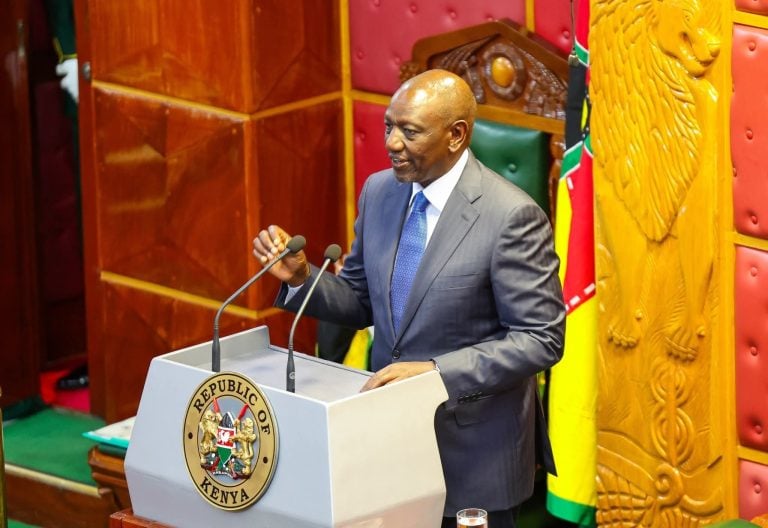
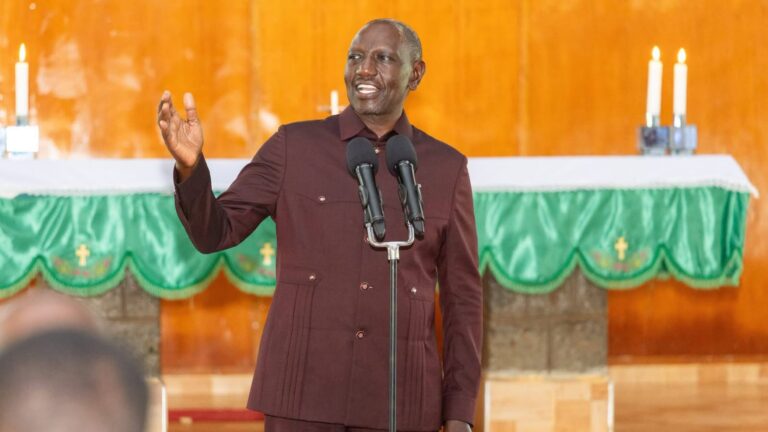
Ruto has defended the plan against critics, urging national unity in shaping the country’s future. “It is time as a nation that we sit together and agree on where Kenya must be in this generation,” he said during a church service in Uasin Gishu.
The administration has also moved to operationalise two institutions that Ruto first announced during his 2025 address: the National Infrastructure Fund and the Sovereign Wealth Fund.
According to the President, the two instruments are intended to finance large-scale infrastructure without placing additional pressure on taxpayers or saddling future generations with unsustainable debt.
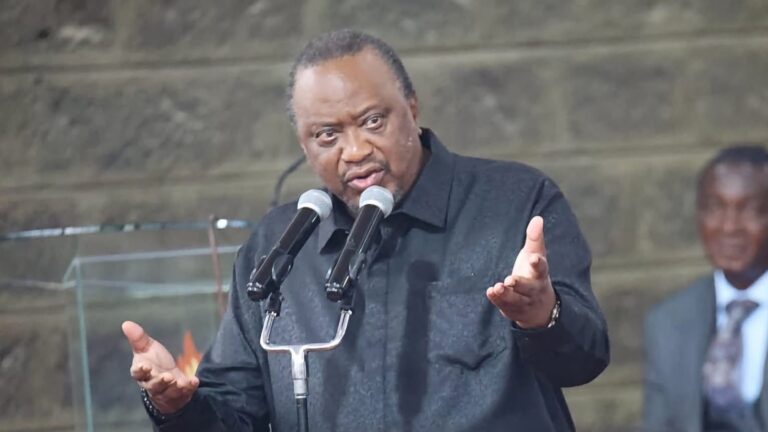
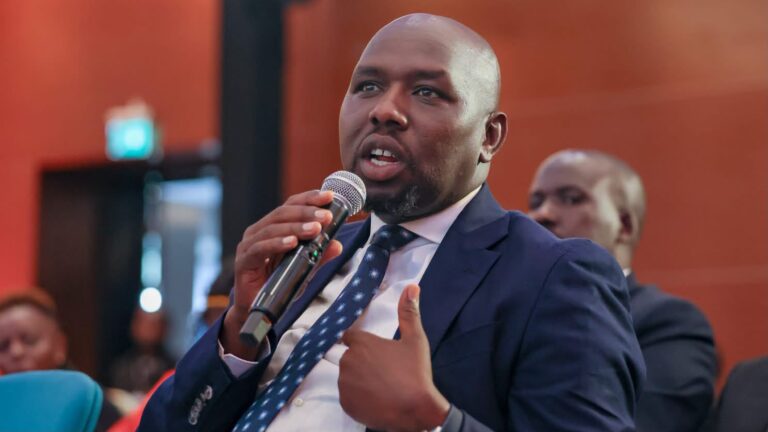
“Together, these two Funds will enhance by multiples the financing of Kenya’s development agenda and accelerate our bottom-up transformation,” Ruto stated in his New Year address, describing 2026 as “the year of execution at scale”.
While the specific contents of the November 19 address remain under wraps, the speech is expected to serve as a progress report on pledges made earlier in the year and a legislative roadmap for the remaining period of Ruto’s current term.
The President is likely to update the nation on the operationalisation of the National Infrastructure Fund and the Sovereign Wealth Fund, both of which have now been established in law.
He is also expected to address ongoing public consultations on the post-2030 development vision, which began in August, and outline legislative priorities for the coming year.
In previous addresses, Ruto has emphasised four core pillars: education and skills, agriculture and irrigation, transport and logistics, and energy.
His 2025 address included a commitment to bring 2.5 million acres under irrigation within five to seven years through the construction of mega-dams, a pledge he is likely to revisit as a measure of implementation progress.
The political context, however, remains complex. While the government has highlighted macroeconomic gains, critics have pointed to persistent challenges, including high youth unemployment and the cost of living.
In his New Year address, Ruto himself acknowledged that nearly four in every ten Kenyans live below the poverty line, describing it as “the truth about the present” even as he promised that his policies would change it.
The November address will be closely watched for details on how the President intends to translate the economic gains cited by his administration into improvements in household living conditions ahead of the next political cycle.
