

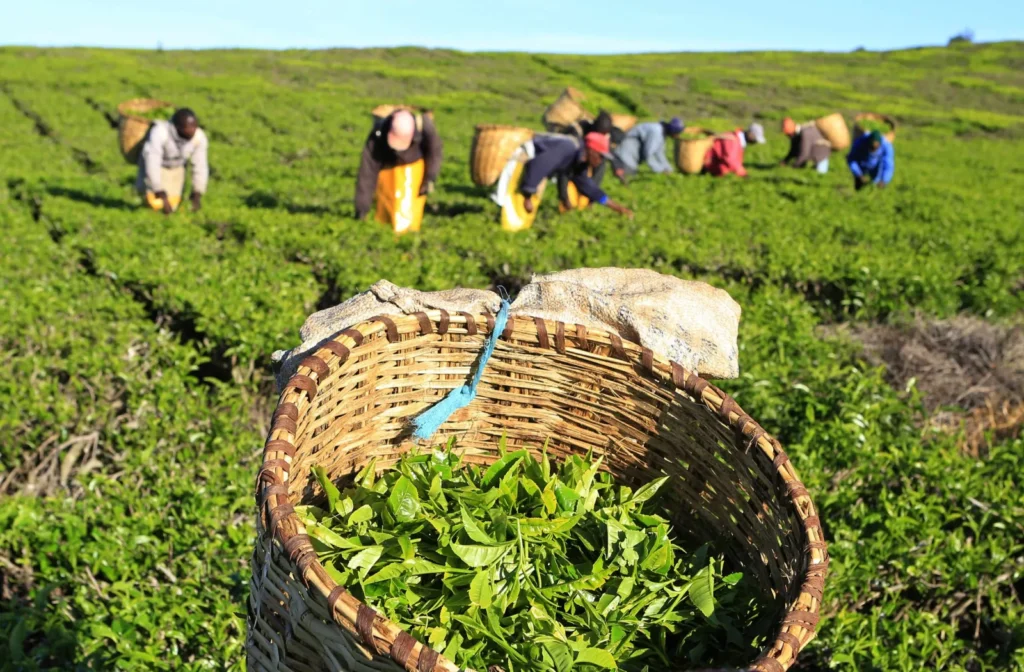
Sudan has formally lifted its ban on Kenyan tea imports, ending a restrictive trade measure that had been in place since March 2025 and had cost Kenyan exporters tens of millions of dollars in stranded cargo and lost sales.
The announcement was made by Sudan’s Industry and Trade Minister, Mahasin Ali Yaqoub, according to a report by the Daily Nation on Tuesday.
The move marks a significant diplomatic and economic development for Nairobi, which had been lobbying Khartoum for months to reopen one of its lucrative agricultural markets.
The ban was originally imposed in March 2025 as a retaliatory measure following a deterioration in diplomatic relations between the two countries.
Khartoum acted in protest over Nairobi’s decision to host leaders of the paramilitary Rapid Support Forces (RSF), a group at the centre of Sudan’s ongoing civil war.
The economic impact on Kenya’s tea sector was immediate and significant. Before the embargo, Sudan was consistently ranked among Kenya’s top five tea export destinations, purchasing approximately 35 million kilogrammes of tea annually, valued at roughly $70 million (Ksh9 billion).
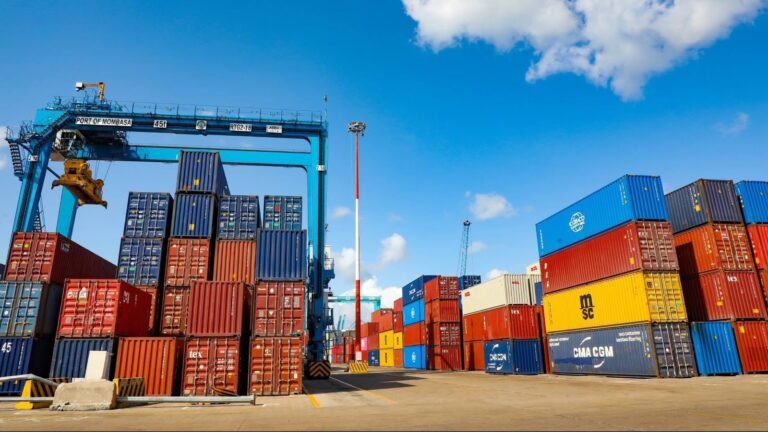
When the ban took effect, tea worth more than $24 million was already in transit or awaiting shipment, leaving 207 forty-foot containers stranded at the Port of Mombasa.
The situation was further complicated by the fact that the tea destined for Sudan had been specially blended and branded for that specific market.
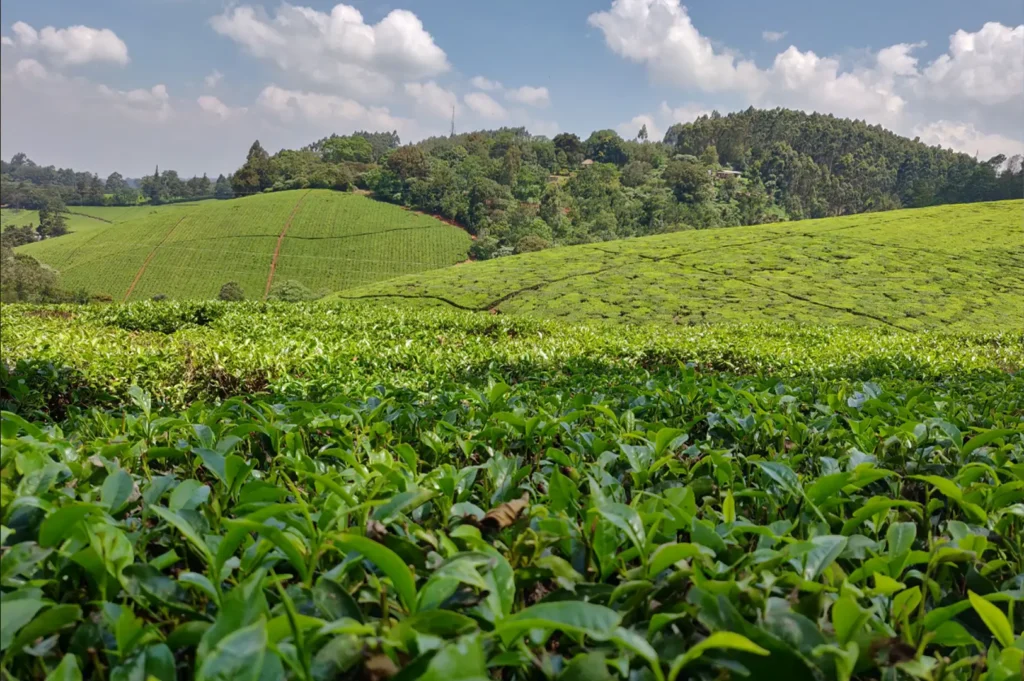
According to Kenyan opposition leader Kalonzo Musyoka, who actively lobbied for the ban’s removal, this made it extremely difficult to redirect the consignments to alternative buyers. By August 2026, more than 3.44 million kilogrammes of tea, valued at over $10.3 million, remained stuck in Mombasa warehouses.
The campaign to lift the ban gained momentum in August 2026 when Musyoka personally visited the Sudanese Embassy in Nairobi to present a formal appeal to Ambassador Kamal Jabara Gubara.









Musyoka said his visit was intended to formally ask the Sudanese government to reconsider the restrictions on Kenyan tea imports.
“This morning, I visited the Embassy of the Republic of Sudan in Nairobi to personally present a plea to the Government of Sudan for the lifting of the ban on Kenyan tea imports,” Musyoka said at the time.
He also highlighted the financial consequences of the trade restrictions, particularly for exporters and farmers who depend on the tea industry for their livelihoods.
“This has led to substantial losses for exporters, depressed auction prices, and ultimately reduced the earnings of Kenyan tea farmers,” he said.
The Sudanese Ambassador to Kenya, Kamal Gubara, had signalled progress towards resolving the dispute in late October, stating that the process of lifting the ban had reached its “final stages”.
Although the formal announcement from the Trade Minister this week did not include extensive remarks, the decision follows diplomatic efforts that Gubara had been facilitating. These efforts also included plans to introduce direct flights between Nairobi and Khartoum to boost bilateral trade.
The lifting of the ban provides relief to Kenyan tea farmers and exporters who have been grappling with a difficult export environment. The trade disruption had contributed to a 59 per cent drop in exports to Sudan during the first half of 2026, forcing Kenya to rely more heavily on markets such as Pakistan and Egypt to absorb its growing production.
The immediate focus will now be on clearing the backlog of specially branded tea stored in Mombasa, while exporters prepare to resume shipments to the Sudanese market.
