

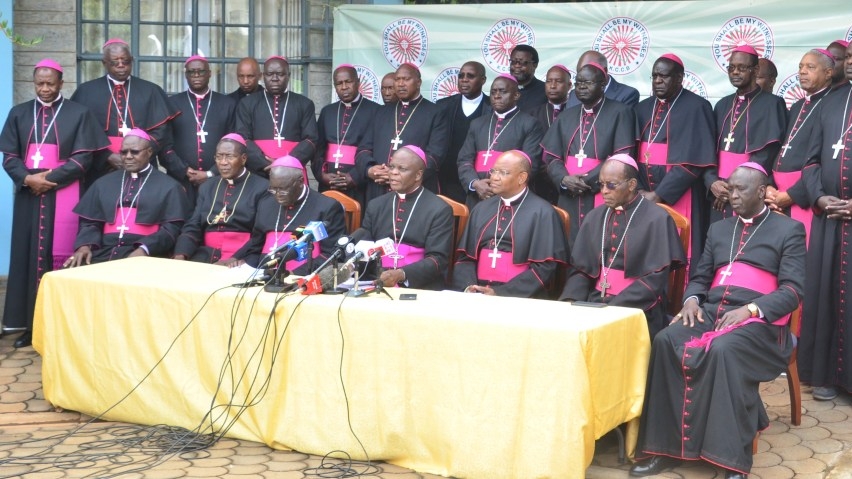
The Kenya Conference of Catholic Bishops (KCCB) has directed Catholic churches across the country to bar politicians from addressing congregations, seeking to protect places of worship from political campaigns ahead of the 2027 General Election.
The directive was announced on Thursday at the Cardinal John Njue Pastoral Centre in Embu, with Archbishop Anthony Muheria of Nyeri saying all Catholic priests had been instructed to enforce the decision immediately.
The bishops said the move was intended to preserve the sanctity of churches as places where Kenyans from different political backgrounds gather for worship without being subjected to political messaging.
Explaining the decision, Muheria said political leaders should not use church services to address congregations or seek support from worshippers.
“We are directing that there shall not be any political address given in any of our Catholic churches in any part of our country,” Muheria said. “We are therefore instructing all our priests to implement this position with the diligence and seriousness it deserves”.
The bishops maintained that the restriction was not intended to prevent politicians from engaging with the public but to ensure that religious gatherings remained focused on worship.
Muheria noted that political leaders had several other platforms through which they could communicate their messages and seek votes without bringing campaign activities into churches.
“Politicians have many options to utilise in their search for votes, including the media, barazas and roadside rallies,” he said.
The KCCB further emphasised that churches brought together people with different political affiliations and should remain spaces where all worshippers could gather without discrimination or political pressure.
“Places of worship should be peacefully and prayerfully available to everyone, regardless of their political affiliation, and be symbols of unity, love and care,” the bishops said.
Beyond the restriction on political addresses, the bishops urged candidates and their supporters to conduct peaceful campaigns and avoid language that could deepen political divisions.
They warned that heated political contests should not be used to justify inflammatory statements or behaviour that could undermine national unity.
“Charged campaigns should not be a pretext to use polarising language,” the statement read. “Kenyans expect people seeking office and their supporters to be civilised in their language, attitudes and behaviour”.
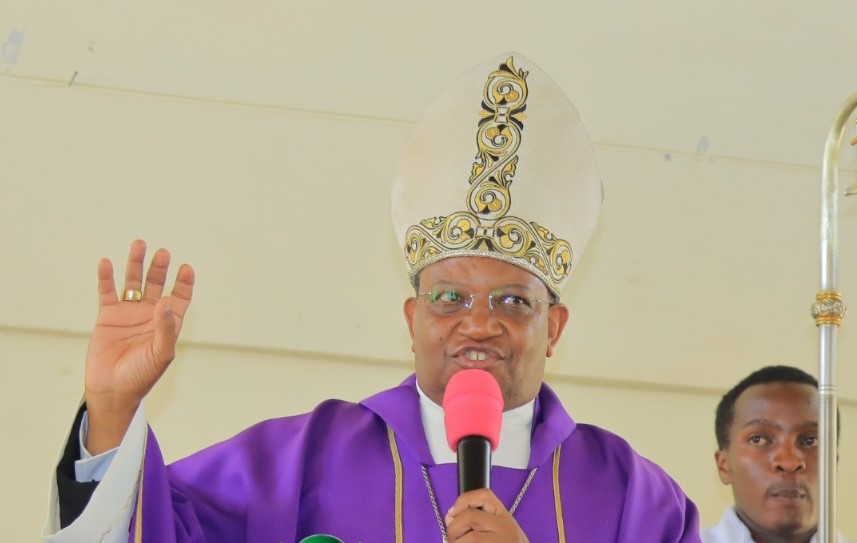
The latest directive followed growing disagreements between the Catholic Church and sections of Kenya’s political leadership over the use of religious gatherings for political engagements and donations.
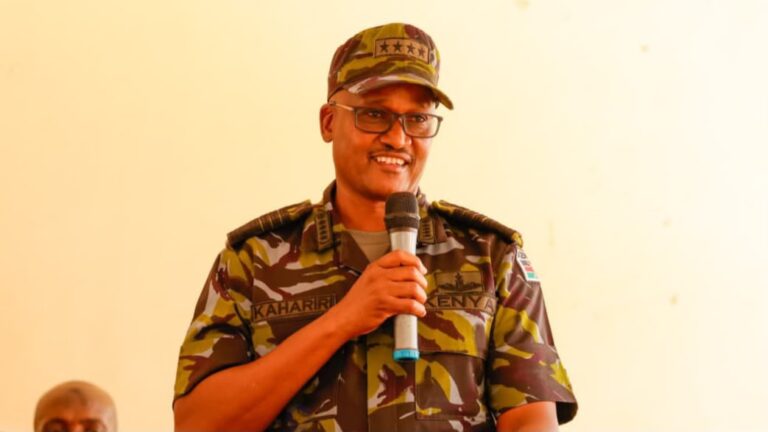
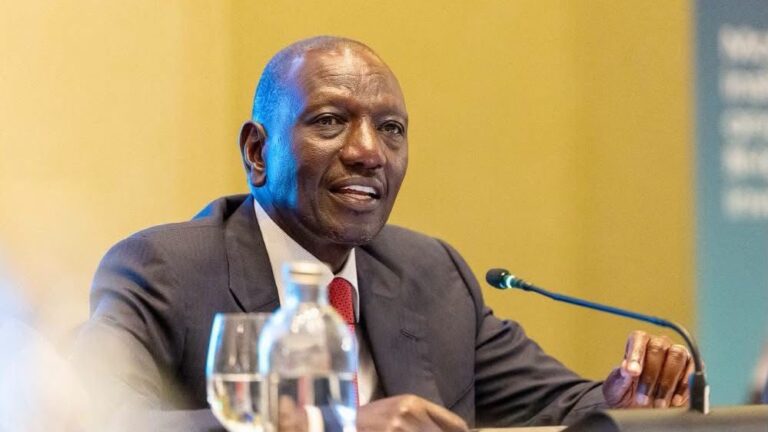
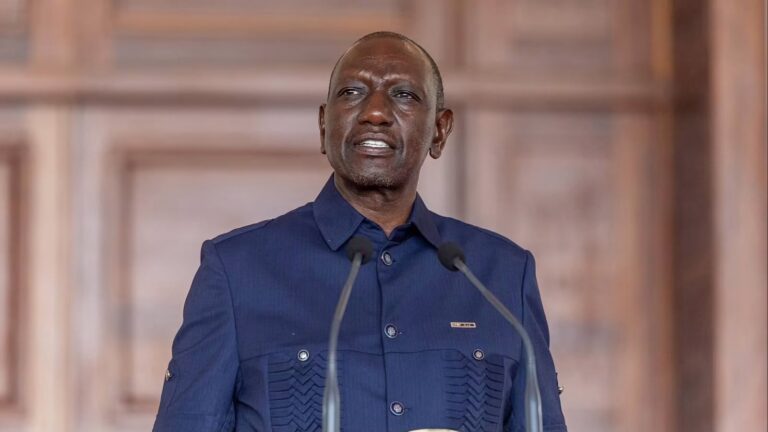

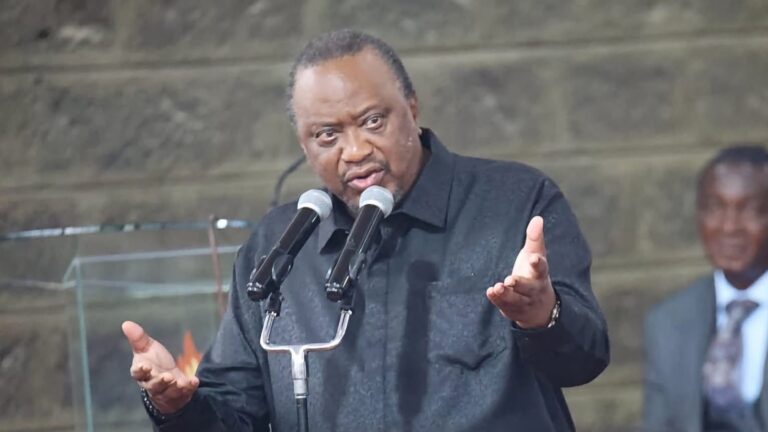
One of the most notable incidents occurred in late 2024 when the Archdiocese of Nairobi declined donations worth millions of shillings from President William Ruto and Nairobi Governor Johnson Sakaja during a church service in Soweto.
Archbishop Philip Anyolo cited the need to protect the church’s integrity and independence, referring to the KCCB policy on political donations. The decision was widely viewed as a rejection of the growing practice of politicians making public donations during church services.
In March 2026, KCCB President Archbishop Maurice Muhatia Makumba also criticised the language used by political leaders, warning that inflammatory remarks were negatively affecting young people.
“The children listening to you are shocked, the young people listening to you are traumatised because in you is represented the collapse of their aspiration for leadership,” he said.
Several Catholic dioceses had also introduced restrictions on political activities in churches before the national directive.
In August 2026, the Diocese of Wote barred politicians from addressing congregations during or after Mass and prohibited the use of church compounds for political mobilisation. The Diocese of Embu subsequently introduced similar restrictions, while the Kakamega Diocese had also prohibited politicians from holding fundraisers in churches.
The bishops also urged Kenyans to evaluate elected leaders based on their performance and make informed decisions when choosing their representatives in the 2027 elections.
They cautioned voters against allowing political rhetoric and campaign activities to influence their independent judgement.
“We have before us a moment to reflect and evaluate the performance of the leaders we have and vote wisely,” they said. “The noise that pollutes the air during political campaigns must not block our individual discernment of who is best suited to represent and lead us”.
However, the position has also attracted criticism from political leaders. National Assembly Speaker Moses Wetang’ula accused the Catholic Church of selectively criticising the current administration, arguing that religious leaders had demonstrated what he described as open hostility towards the government while remaining silent under previous administrations.
“Nobody will gag the church from being critical, but you must be fair,” Wetang’ula said in May.
Bishop Cleophas Oseso Tuka of Nakuru had previously called for a clear separation between political activities and religious gatherings, urging politicians to conduct their campaigns outside church premises.
“Let politics be conducted elsewhere, in markets, tents, or public grounds but let the church remain a sacred place of worship and prayer,” he said.
