

As Kenya moves towards another general election, the country faces a familiar but important question: what kind of leadership does it need? Political campaigns often generate promises, slogans and heated debate. Yet the most important measure of a leader is not the size of their rallies or the popularity of their political allies, but their record, integrity and ability to improve people’s lives. Kenyans must therefore make choices based on issues and performance rather than political excitement.
Young people, particularly members of Generation Z, have become an increasingly visible force in national conversations. Their calls for accountability, better governance and economic opportunity reflect frustrations that cannot simply be dismissed as online noise. Many young Kenyans are concerned about unemployment, the cost of living and whether public institutions are responding to their needs. Their participation matters because democracy is stronger when citizens question leaders, demand explanations and take part in decisions that affect their future.
Leadership must be measured by accountability
Corruption remains one of the major concerns in public life because it weakens the services citizens depend on. Money allocated to healthcare, education, roads and other public services should benefit the public. When public resources are misused, the consequences are felt by ordinary families through poor services and missed opportunities. Political aspirants should explain how they would strengthen oversight, protect public funds and ensure that those entrusted with public resources answer for their decisions.
The economy should also be central to political debate. Rising prices, limited employment opportunities and the cost of education place pressure on households, especially those with low or unstable incomes. Voters deserve more than broad promises of development. They need realistic proposals showing how candidates intend to support job creation, improve access to education and reduce the financial pressures facing families. These plans should be judged by their feasibility, funding and likely impact.
Rejecting the politics of division
Ethnic mobilisation continues to pose a challenge to national unity when political support is sought through identity rather than ideas. Political competition is legitimate, and communities have a right to organise and express their interests. However, leaders should not exploit ethnic differences or portray other communities as enemies. Kenya needs political debate that focuses on policies, equal treatment and shared national priorities.
Political intolerance and violence in Nakuru
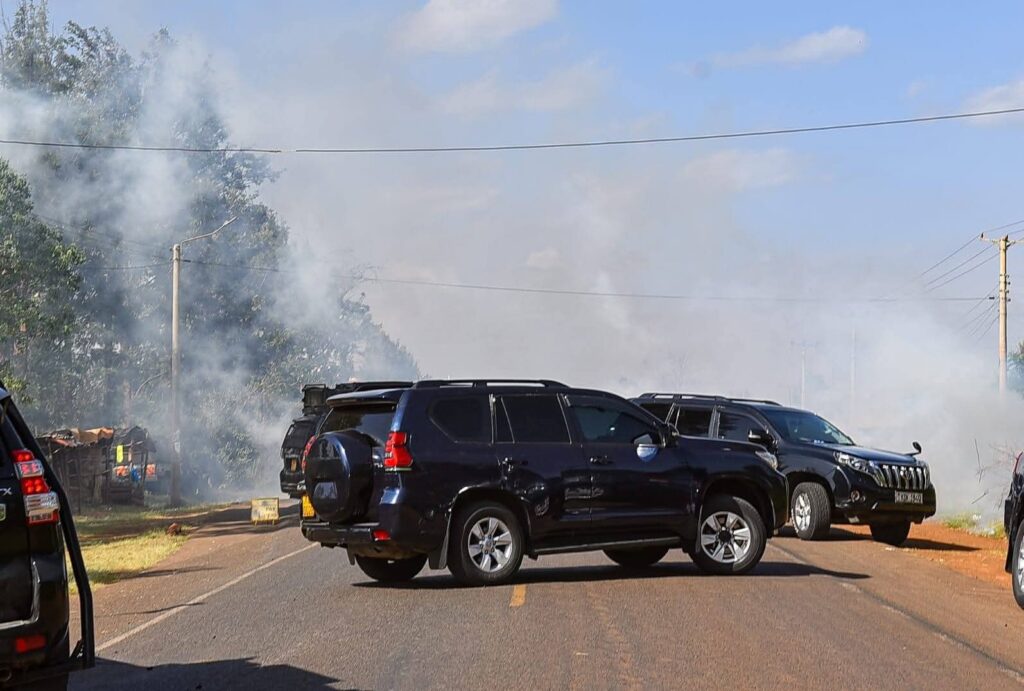
The dangers of political hostility were brought into focus on Friday, 19 June 2026, when violence broke out during a women and youth empowerment event at Umoja Secondary School in Kuresoi North, Nakuru County. News reports said that three people sustained gunshot wounds and were taken to Molo Level 4 Hospital. The Star also reported that vehicles were vandalised during the confrontation. Police said investigations were underway to establish what happened and who was responsible.
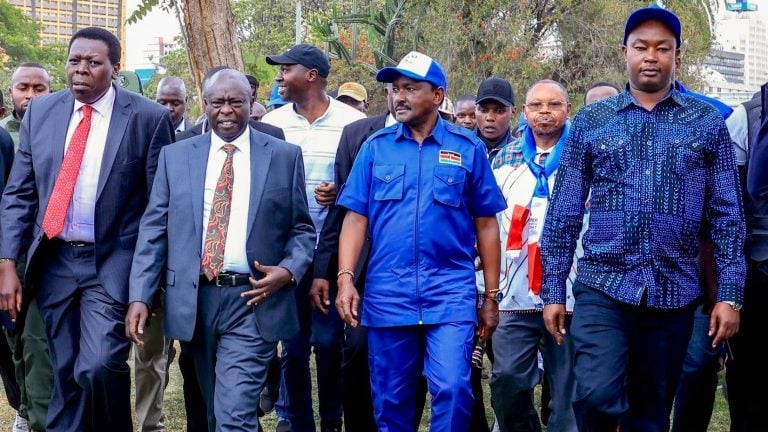 Kenya’s Opposition Has a Ruto Problem, But Its Biggest Enemy is Internal Division
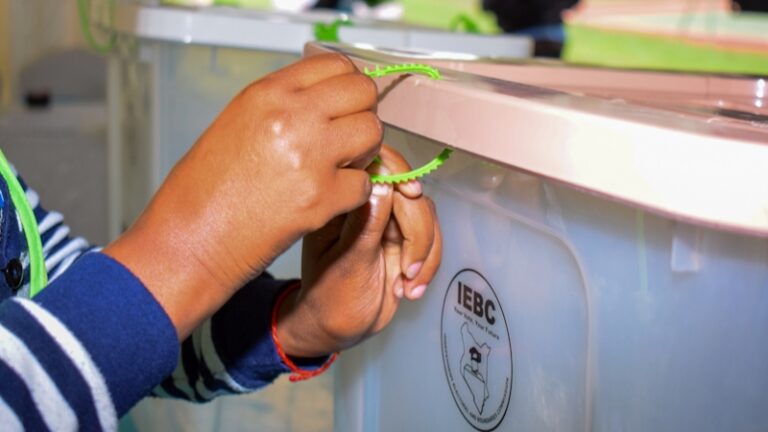 Kenya’s 2027 Election Will Be Fought on a Battlefield AI Has Already Mapped
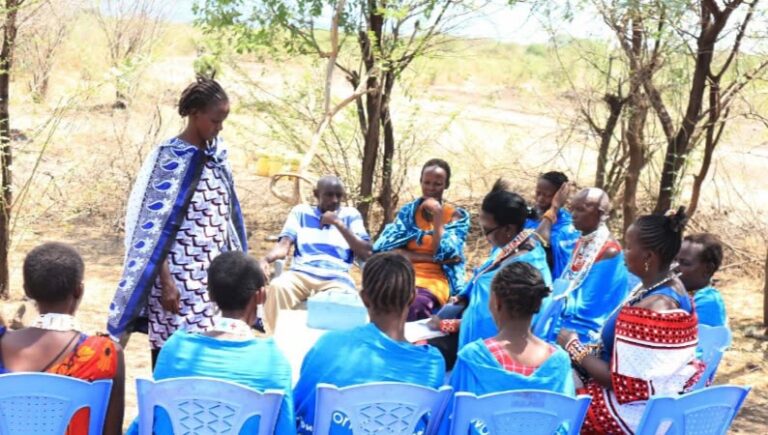 Beyond Localization: Kenya Must Invest in the Institutions That Will Sustain Development
 Kenya’s AI Strategy Needs a Portfolio of Workers Who Can Fix Errors

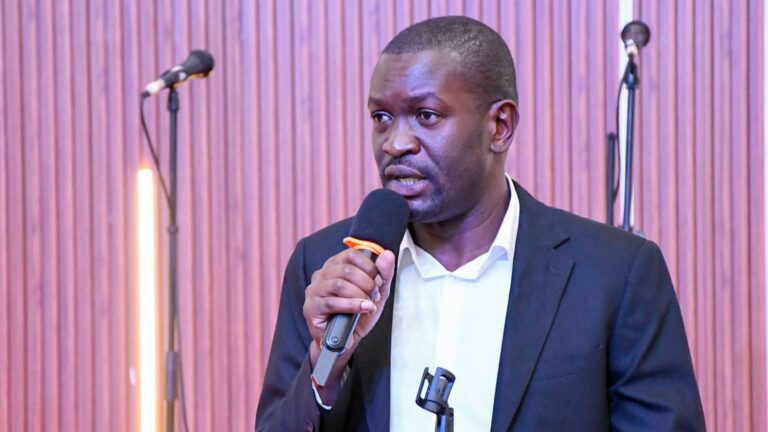
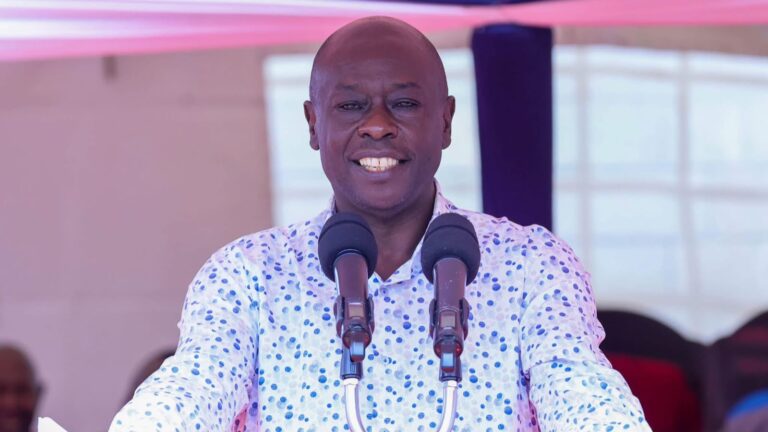
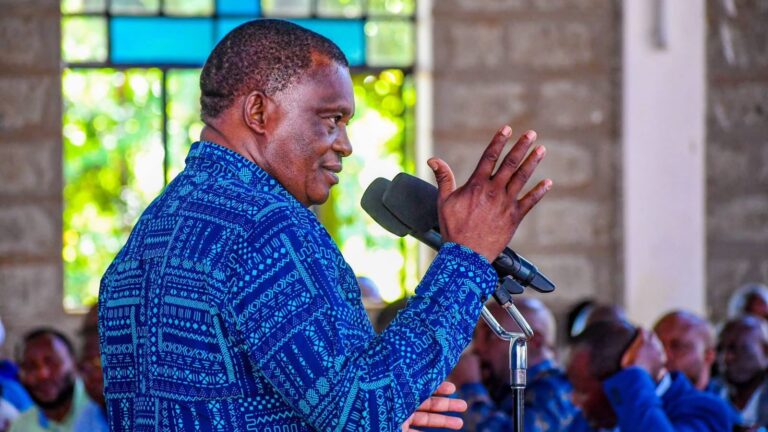
The police response was reported the following day, when the National Police Service announced the arrest of 56 suspects as investigations continued. Subsequent court reporting stated that Alfred Mutai was released on a bond of Ksh100,000 with one surety, or an alternative cash bail of Ksh50,000, while investigations continued. These are developments in an ongoing legal process; an arrest, allegation or release on bond is not proof of guilt.
The incident should serve as a warning to political leaders, their supporters and law-enforcement agencies. Political gatherings must remain safe spaces for democratic participation. Disagreements should be settled through dialogue and lawful processes, not intimidation, attacks or destruction of property. Authorities should investigate impartially, protect witnesses and ensure that anyone found responsible is dealt with according to the law.
The responsibility of the voter
Ultimately, the quality of Kenya’s leadership depends partly on the choices citizens make. Voters should examine candidates’ records, policies, integrity and willingness to be held accountable. Young people should continue participating in public affairs, but their influence will be strongest when it is informed, peaceful and sustained beyond election periods.
Kenya does not lack political promises; it needs leadership that turns credible plans into results. The country’s future will be shaped by citizens who ask difficult questions, reject political violence and choose leaders on the strength of their ideas and public service. The choice before Kenyans is therefore not simply between competing politicians, but between the kind of political culture they want to sustain.
