

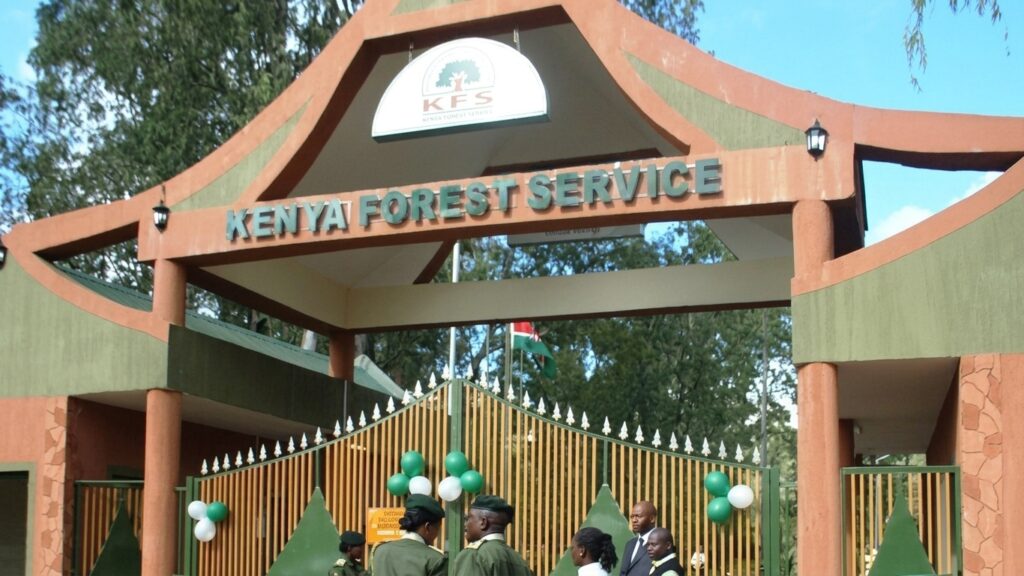
The Kenya Forest Service (KFS) has broken its silence on mounting public concerns over extensive logging activities in Kericho County, insisting that tree harvesting in seven forest stations is fully lawful and conducted under approved management plans.
The clarification, issued in a statement on Monday, November 16, 2026, follows the widespread circulation of videos on social media showing heavy lorries hauling massive logs out of forests in the Rift Valley county, sparking allegations of uncontrolled and illegal logging.
KFS named the affected forest stations as Malagat, Tendeno, Londiani, Sorget, Kuresoi, Saburet and Makutano. The Service categorically dismissed claims of illegality, stating that the activities involve the harvesting of mature and over-mature plantation trees.
“The Service wishes to categorically clarify that no illegal activities are taking place in the mentioned Forest Stations of Malagat, Tendeno, Londiani, Sorget, Kuresoi, Saburet and Makutano,” the KFS statement read. “The activities currently underway involve the lawful harvesting of mature and over-mature forest plantations, in accordance with approved Plantation Management Plans and Felling Plans for the respective stations”.
The Service also addressed environmental restoration concerns, revealing that replanting has already commenced on harvested sites. According to KFS, the exercise is being undertaken in collaboration with local Community Forest Associations (CFAs) under the agency’s “Tree-First Policy,” which prioritises immediate replanting while permitting CFA members to cultivate approved food crops to support their livelihoods.
KFS also responded to allegations regarding the removal of an indigenous fig tree during the operations. The Service explained that the tree was located within a plantation area and had been damaged during the felling of cypress trees. It was subsequently removed during site clearing to facilitate the re-establishment of the plantation.
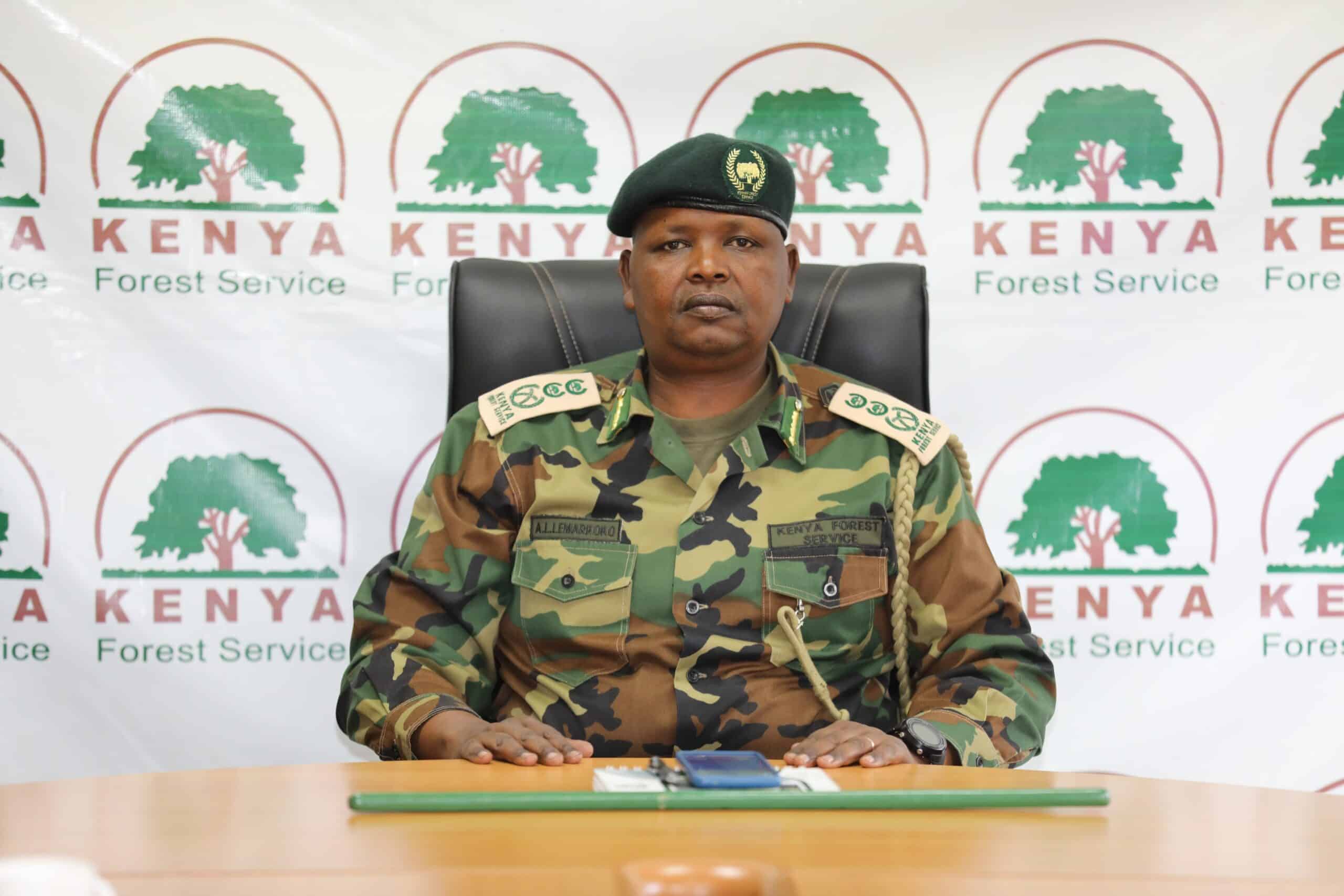
KFS noted that indigenous trees sometimes regenerate naturally within plantation forests during their approximately 30-year rotation period and are assessed and removed where necessary, with the wood disposed of as fuelwood.
The clarification comes amid growing tension in the region. Local leaders, including Member of County Assembly (MCA) Paul Chirchir, have publicly opposed the felling, arguing that it goes against the wishes of residents. Chirchir reportedly threatened to block lorries from leaving the forests with logs.
The controversy in Kericho is not isolated. It follows growing public outrage over large-scale timber harvesting in Kenya’s critical water towers, including the Aberdare, Kereita, Karura and Mount Kenya forests.












The national debate intensified after similar videos emerged showing extensive piles of felled logs in the Aberdare Forest, where KFS also defended the exercise as regulated harvesting of mature exotic plantation trees.
The current dispute is rooted in a longer history of environmental anxiety in the region. In August 2026, Bishop Alfred Rotich of the Catholic Diocese of Kericho issued an urgent open letter to President William Ruto, warning of what he described as the “unprecedented destruction” of the Londiani Forest Block, particularly the Sambret area.
“What was created to be a source of life, clean air and water for humanity, animals and plants is being sacrificed at the altar of short-term human greed and reckless exploitation,” Bishop Rotich wrote, invoking Pope Francis’s encyclical *Laudato Si’* on environmental stewardship. He called on the government to intervene decisively to stop further encroachment, logging and degradation, warning that the forest’s destruction was “not merely an environmental concern; it is a threat to the lives, livelihoods and future of the communities that depend on this ecosystem”.
The bishop’s intervention highlighted concerns that political interests were contributing to the encroachment of protected forests, alleging that “a faction of the political fraternity continues to encroach upon, partition, and instigate the degradation of these protected water [catchment areas] for self-serving political capital”.
The Kericho logging controversy unfolds against a backdrop of broader national concern over Kenya’s forest cover. Environmental activists have noted that the country’s forest cover stands at approximately 8.83 percent, below the constitutional threshold of 10 percent.
While President William Ruto has set an ambitious target of planting 15 billion trees by 2032, recent harvesting activities in various water towers have raised questions about the balance between sustainable plantation management and the conservation of critical ecosystems.
KFS maintains that its operations are transparent and sustainable, urging the public to avoid dealing with individuals claiming to be brokers or intermediaries in the acquisition of public forest resources.
