

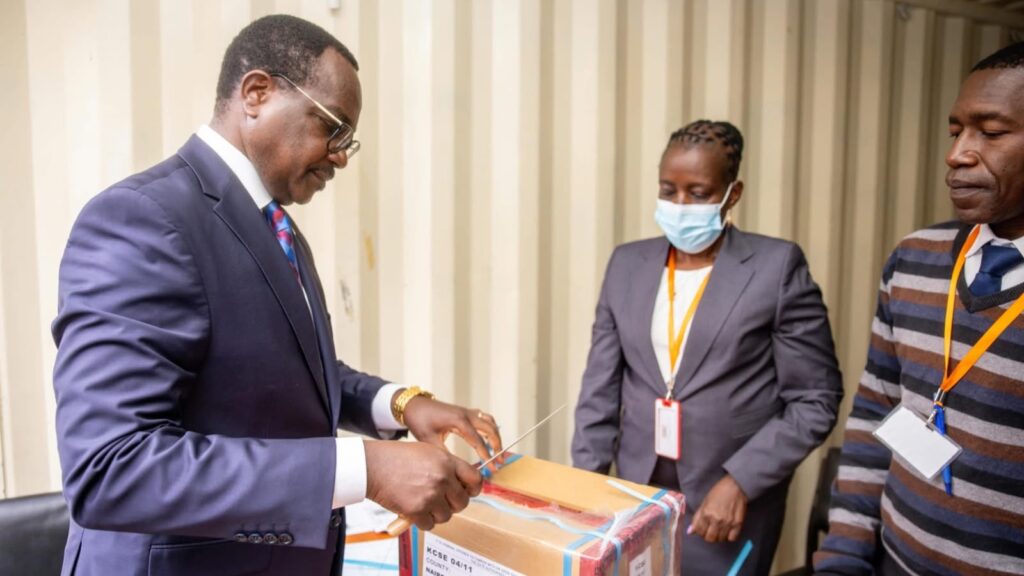
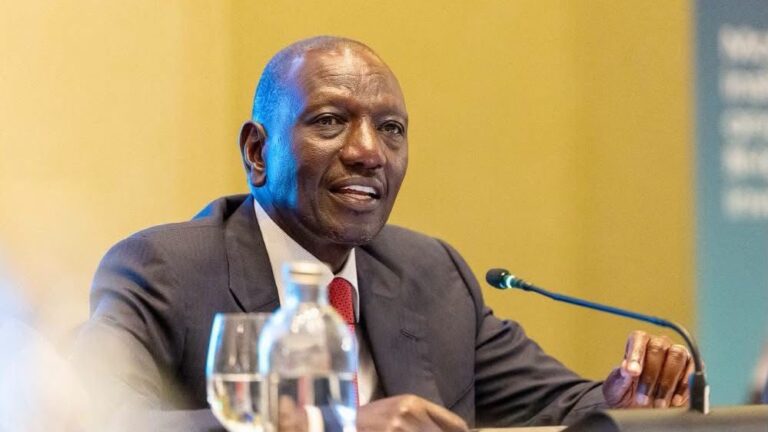
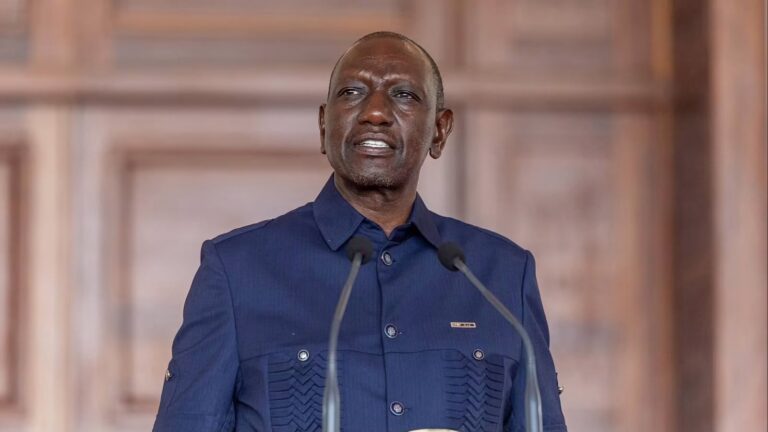
President William Ruto announced that Kenya printed its national examination papers locally for the first time in 65 years, a move he said saved the country close to Ksh1.5 billion and ended a decades-long reliance on foreign security printers.
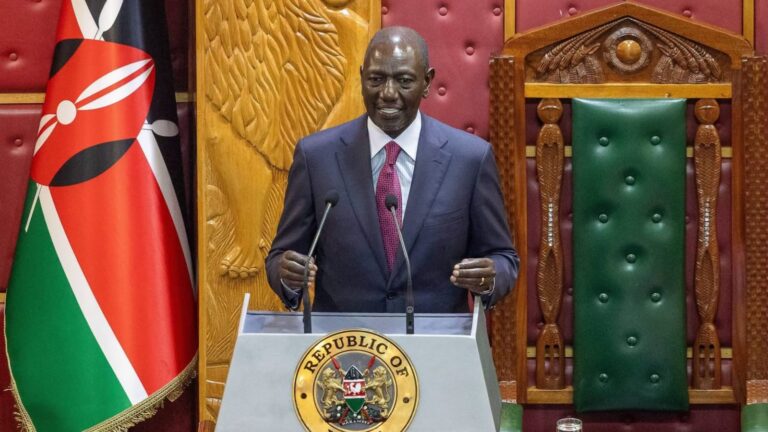
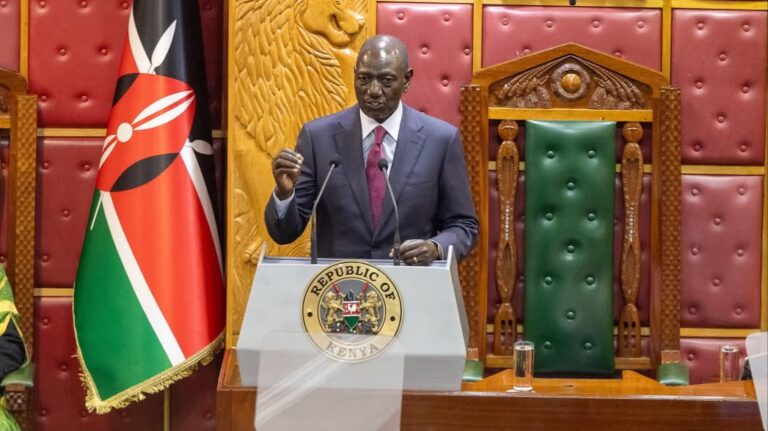
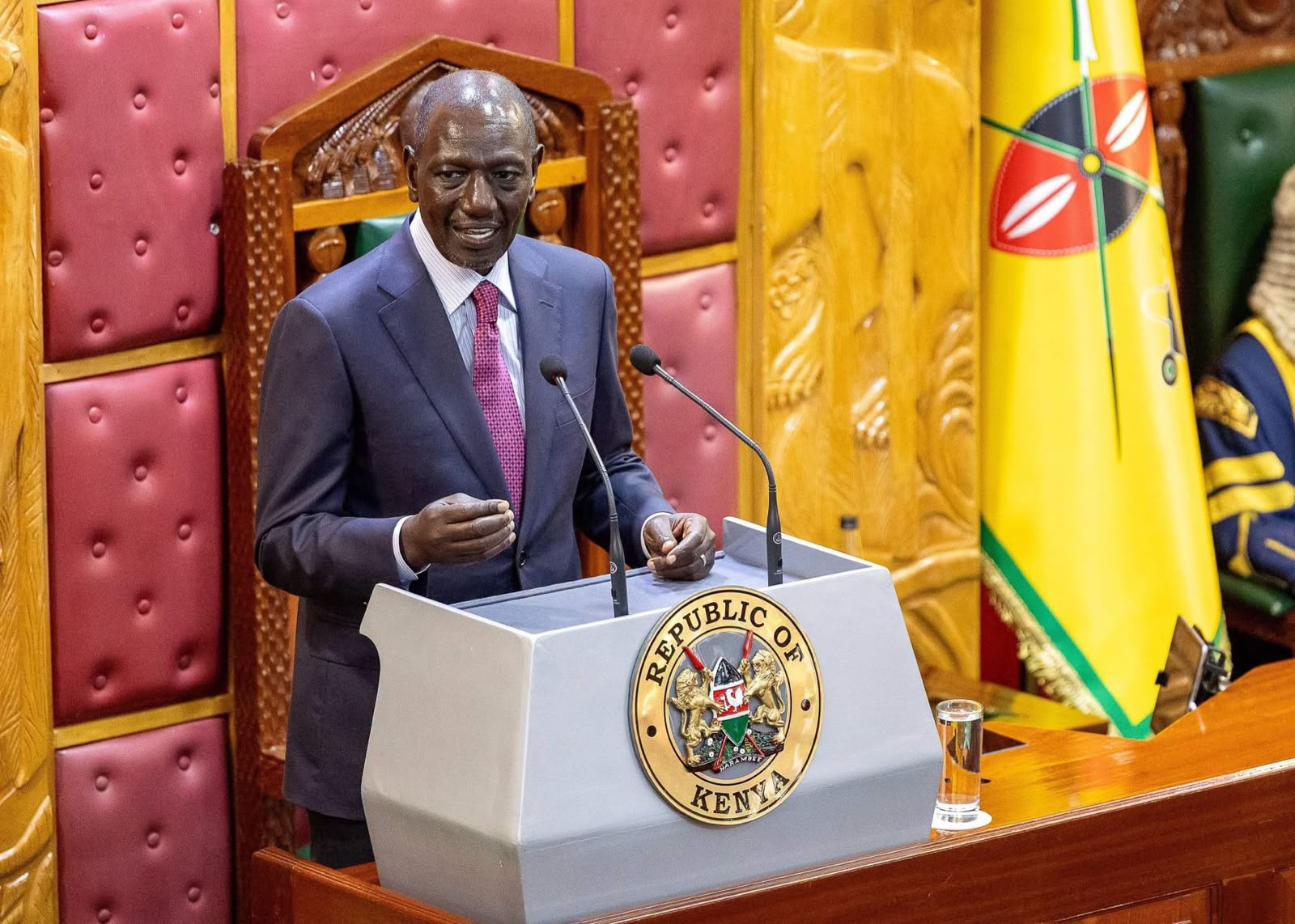
Speaking during his State of the Nation Address before a joint sitting of Parliament on Wednesday, Ruto said the 2026 Kenya Certificate of Secondary Education (KCSE), Kenya Junior School Education Assessment (KJSEA), and Kenya Primary School Education Assessment (KPSEA) examinations were produced entirely within the country, breaking a tradition that had persisted since independence.
The President framed the decision as a straightforward challenge to his Ministry of Education officials, questioning why Kenya could produce its own currency domestically but continued to outsource the printing of examination materials to foreign firms.
“The question I asked our ministry officials is this: If we are printing currency in Kenya, why can’t we print exams?” Ruto said. “In this single undertaking we have taken off close to a billion and a half shillings that would have been wasted,” he added.
Ruto described the savings as money that would otherwise have been spent under the previous arrangement, allowing the government to redirect public resources towards other priorities.
Beyond the financial savings, Ruto highlighted a significant shift in how the examinations were administered.
He said the 2026 exercise, which involved approximately 3.6 million learners – the largest cohort in the country’s history – was conducted without the heavy police deployments that had characterised previous years.
“The examinations have been conducted in a calm and orderly atmosphere, free from the anxiety, tension and intimidating security deployments of the past,” Ruto said.
“In short, we have undertaken exams without the presence of a single policeman. This is how it should be. Examinations are a normal part of learning, not a security operation or a matter of life and death. They should assess our children’s progress, not instil fear about their future,” he stated.

For more than six decades, the Kenya National Examinations Council (KNEC) relied on foreign security printing companies, primarily in the United Kingdom and later Greece, to produce examination materials. The practice was historically justified on security grounds, with officials arguing that overseas printing helped prevent papers from leaking before scheduled exam dates.
The arrangement, however, attracted persistent criticism over its costs, logistical challenges and Kenya’s continued dependence on foreign firms for a critical national function.
As early as February 2026, Basic Education Principal Secretary Prof. Julius Bitok told the National Assembly’s Education Committee that the 2026/27 budget had allocated Ksh147 million to acquire equipment for local production of secure exam materials.
The shift to local printing also drew scrutiny from transparency advocates. In August 2026, Busia Senator Okiya Omtatah demanded that KNEC disclose details of the procurement process for the 2026 examination materials, citing concerns over the tender’s transparency and the identity of the successful bidder. KNEC had previously indicated that some information could not be disclosed on national security grounds, a position Omtatah challenged.
“The invocation of national security cannot, in our view, operate as a blanket exemption from the constitutional right of access to information,” Omtatah wrote in his request to KNEC.
The senator sought details including the tender number, procurement method, contract value and whether the successful bidder was a Kenyan or foreign company. He also raised questions about tax compliance verification with the Kenya Revenue Authority. As of the President’s address, KNEC had not publicly released the full procurement details.
The government has signalled that local printing will become the standard for future examination cycles. Ruto’s announcement positions the savings as part of broader efforts to reduce public expenditure and strengthen domestic capacity for sensitive government operations.
