

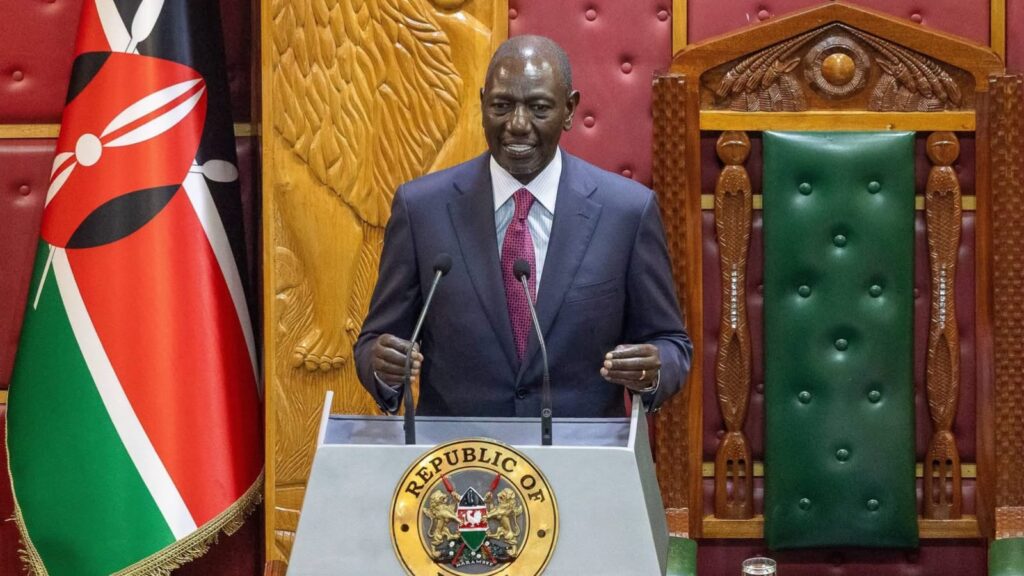
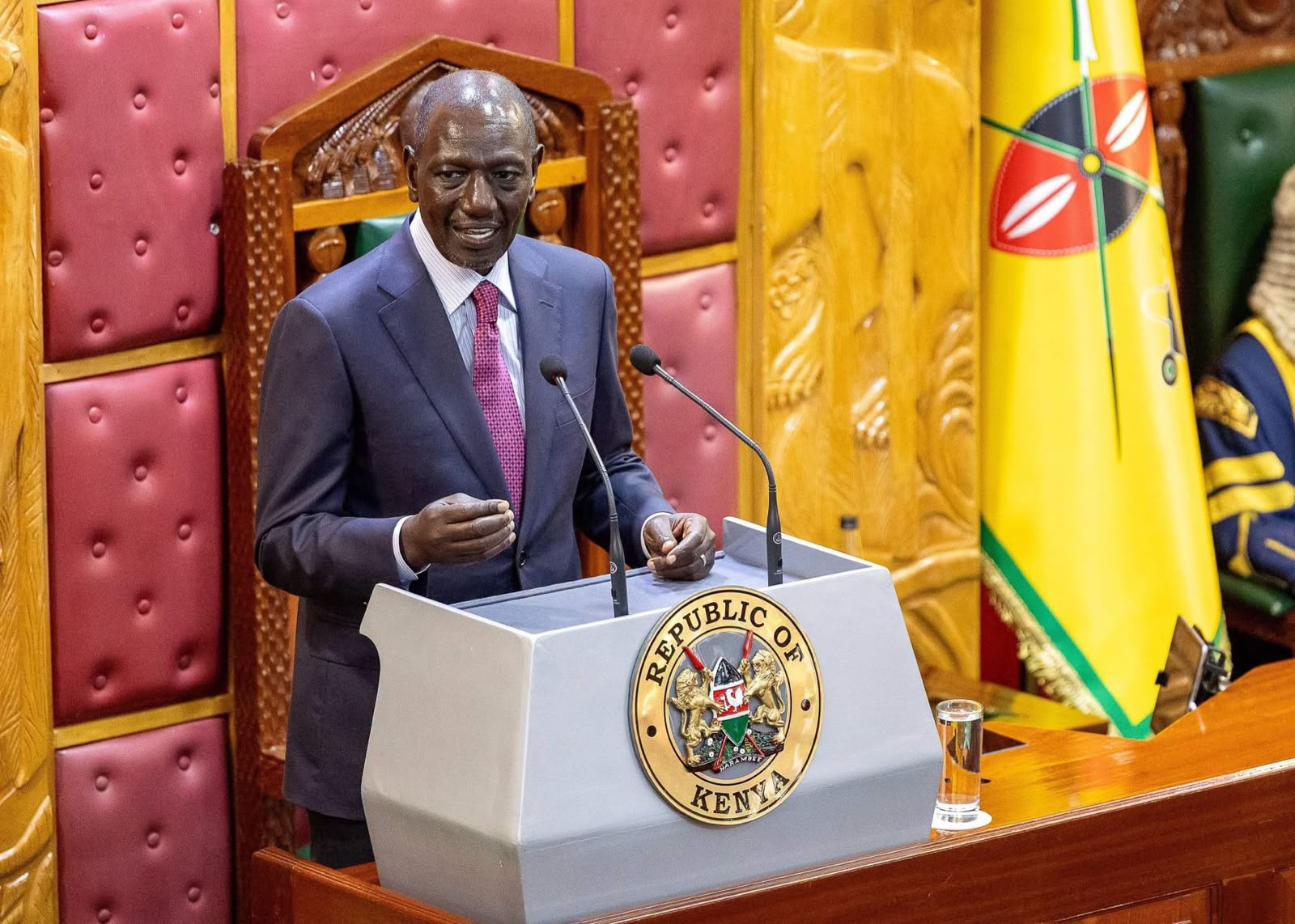
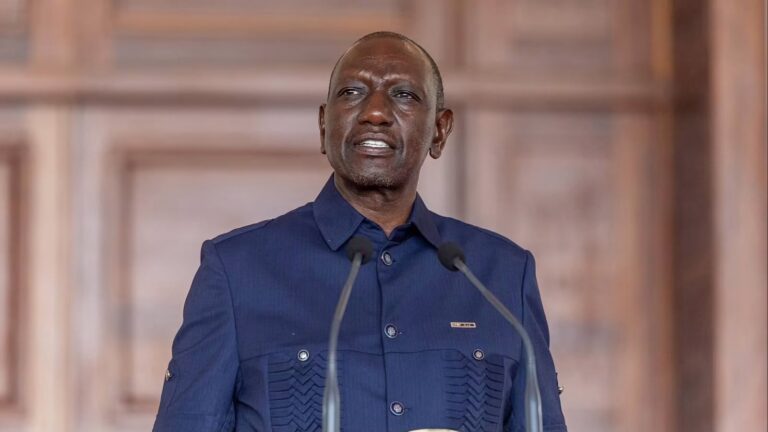
President William Ruto announced Wednesday that his administration had secured employment for over one million Kenyans through a combination of overseas labour placements and digital economy opportunities, defending his job creation record ahead of the 2027 general election.
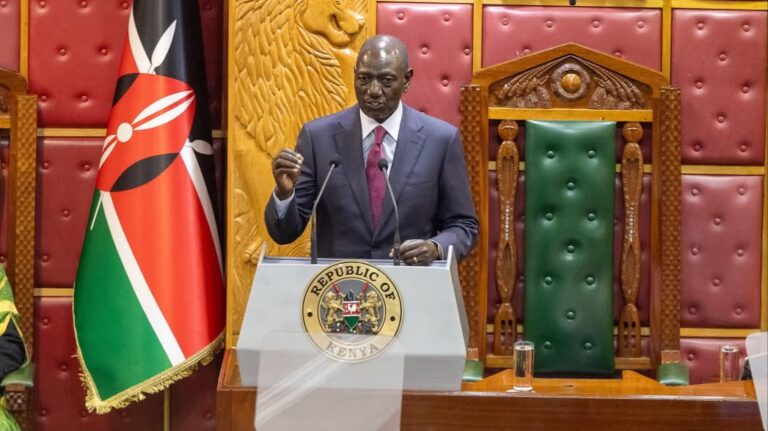
Delivering his fourth State of the Nation Address to a joint sitting of Parliament, Ruto said 707,000 Kenyans had secured jobs abroad under the government’s international labour mobility programme, while another 350,000 had found work in the digital economy through expanded connectivity and digital skills training.
“We are expanding connectivity, digital skills and access to online work. Already, 350,000 Kenyans have secured work in the digital economy, earning incomes through opportunities that extend beyond their immediate communities and our national borders,” Ruto told legislators.
The President framed the employment figures as central to his administration’s broader economic agenda, arguing that lowering the cost of essential goods alone would not ease household burdens unless more Kenyans had reliable income sources.
The 707,000 figure represents a significant increase from earlier government projections. In September 2026, Ruto had cited approximately 680,000 Kenyans placed abroad, while a September 2026 statement from Diaspora Affairs Principal Secretary Roseline Njogu put the Kazi Majuu programme’s placements at over 580,000. By April 2026, the President had reported 494,000 youths working overseas under bilateral agreements.
The labour export strategy has not been without controversy. Kenyan domestic workers in Gulf states have faced well-documented abuse cases, prompting government repatriations.


A 2026 report noted that Saudi Arabia’s remittance share collapsed in 2025 amid movement disruptions and abuse cases involving Kenyan domestic workers. The government has defended its approach by citing bilateral agreements designed to guarantee fair pay, clear job descriptions and repatriation mechanisms.
Ruto also highlighted domestic job creation through the affordable housing programme, which he said had generated more than 1.1 million job opportunities for construction workers, manufacturers and artisans, with over 313,000 housing units at various stages of construction nationwide.
The address was anchored on Ruto’s new slogan “Usawa ni Sawa” (Equality is Right), which political analysts view as a potential campaign mantra for 2027. The President used the platform to tout equitable development, citing the disbursement of Ksh1.55 trillion in equitable share to county governments over four years and Ksh16.8 billion appropriated through the Equalisation Fund this financial year.
“For too long, national development was concentrated in places that already possessed the infrastructure, institutions, and markets necessary to attract further investment. Our responsibility is to change that pattern,” Ruto said.
He also cited the Hustler Fund, through which he said more than seven million Kenyans had established credit records, with cumulative borrowing reaching Ksh94 billion, and 700,000 borrowers graduating to credit limits of up to Ksh150,000 without collateral.
