

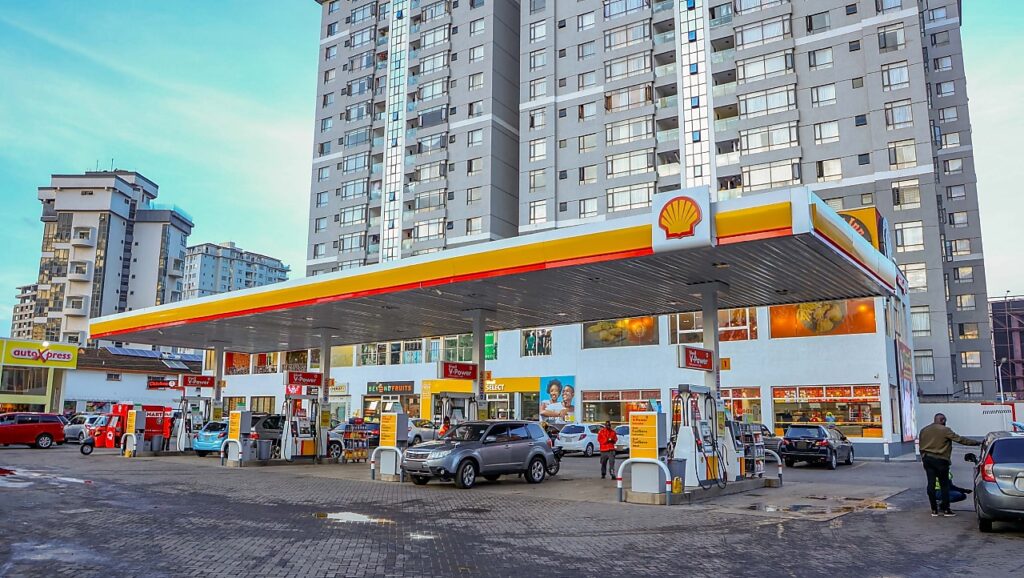
The Energy and Petroleum Regulatory Authority (EPRA) has assured oil marketing companies (OMCs) that they will receive compensation for excess fuel volumes accessed outside the quantities factored into the current and subsequent pricing cycles, amid a dispute over wholesale prices that has threatened to disrupt fuel supplies across Kenya.
In a letter dated Tuesday, October 27, 2026, EPRA Director General Eng. Edward M. Kinyua said the compensation would cover excess volumes accessed by individual oil marketers beyond those provided for in the respective pricing cycles.
“EPRA wishes to assure Oil Marketing Companies (OMCs) that where individual OMCs access volumes in excess of the volumes factored in the current and subsequent cycles, the excess volumes will be due for advance sales compensation,” Kinyua stated.
He said the arrangement was intended to maintain uninterrupted fuel supply in the country while compensating oil marketers for their exposure to the price lag arising from the regulated pricing system.
“This is in a bid to ensure uninterrupted supply in the country and to compensate OMCs exposure to the price lag,” the letter added.
EPRA further stated that the excess volumes and any additional costs incurred would be assessed on a first-in, first-out basis, with the Kenya Revenue Authority (KRA) providing the data used for verification.
“This excess volume and any incremental costs thereof shall be considered on a first in first out basis and shall be verified based on the data from the Kenya Revenue Authority,” Kinyua said.
EPRA’s assurance comes amid an escalating dispute between independent petroleum dealers and oil marketing companies over compliance with the regulator’s gazetted maximum wholesale prices for the October-November 2026 pricing cycle.
On Tuesday, October 27, the Petroleum Outlets Association of Kenya (POAK) and the Kenya Independent Petroleum Dealers Association (KIPEDA) warned that independent fuel stations could suspend purchases from oil marketing companies selling products above the prescribed wholesale price caps.

In a joint communiqué, the two associations accused oil marketers of selling petroleum products to independent dealers at prices exceeding the statutory maximum wholesale rates set by EPRA.
The associations said the regulator had gazetted the maximum retail and wholesale prices on October 14, with the new rates taking effect on October 15.
For Nairobi, the gazetted maximum wholesale price for super petrol was Ksh211.80 per litre, while diesel was capped at Ksh212.60 per litre. Kerosene had a maximum wholesale price of Ksh204.79 per litre.






However, POAK and KIPEDA claimed that oil marketing companies had continued selling fuel above the prescribed limits despite complaints raised with EPRA and the Ministry of Energy and Petroleum.
“Despite immediate escalations by POAK and KIPEDA to EPRA and the Ministry of Energy and Petroleum (State Department for Petroleum), 12 days have elapsed without compliance or enforcement,” the associations stated.
The dealers warned that the alleged non-compliance had squeezed their profit margins, making it increasingly difficult for independent outlets to purchase fuel and sell it to consumers within the legally prescribed retail prices.
According to the associations, the situation had resulted in fuel stock-outs at independent stations across the country, with operators facing the prospect of shutting down or continuing to operate at significant financial losses.
“Independent stations nationwide are facing critical product stock-outs,” the communiqué stated.
The dealers also warned that the dispute threatened consumer protection by undermining the regulated pricing framework intended to prevent motorists from paying prices above the prescribed limits.
They called on EPRA and the State Department for Petroleum to impose sanctions on oil marketing companies found to be violating the wholesale price regulations.
As part of their resolution, POAK and KIPEDA advised independent petroleum dealers across the country to immediately suspend purchases of petroleum products offered at prices exceeding EPRA’s gazetted wholesale limits.
The associations said the government needed to intervene urgently to prevent a wider shutdown of independent retail outlets, which they described as a significant part of Kenya’s fuel distribution network.
They, however, expressed willingness to engage with the Ministry of Energy and Petroleum and EPRA to resolve the dispute and restore normal trading conditions.
“We remain open to immediate constructive engagement with the Ministry and EPRA to resolve this bottleneck and restore market integrity,” the communiqué stated.
