


Human rights organisations and three individuals have sued Kenya’s top security officials over alleged failure to prevent organised political violence, investigate attacks and prosecute those behind them ahead of the 2027 General Election.
The petition, filed at the High Court by the Kenya Human Rights Commission (KHRC), Katiba Institute and the Independent Medico-Legal Unit (IMLU), accuses security agencies of allowing politically motivated attacks to continue despite repeated warnings.
The petitioners, who include Kwamchetsi Makokha, Mary Kambo and Elphas Osoro, said the alleged inaction had emboldened perpetrators and threatened constitutional freedoms as the country approaches the next election.
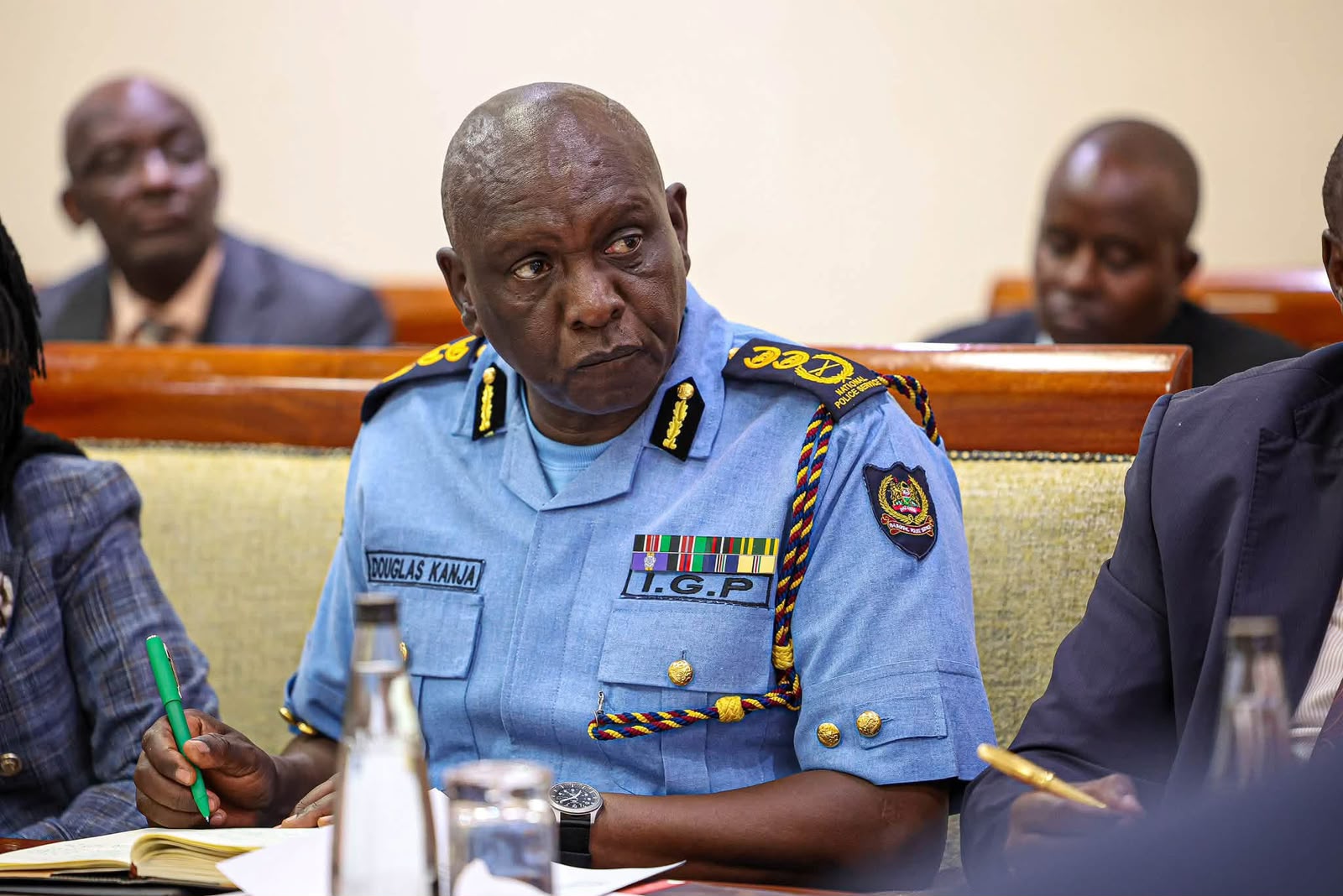
The respondents named in the case are the Director-General of the National Intelligence Service (NIS), the Inspector General of Police and the Cabinet Secretary for Interior and National Administration.
The Attorney-General is also named as a respondent, while the Independent Electoral and Boundaries Commission (IEBC) and the Kenya National Commission on Human Rights are listed as interested parties.
In their petition, the groups accuse the authorities of failing to intervene promptly, conduct effective investigations and secure prosecutions against individuals responsible for attacks targeting political, civic and religious gatherings.
They argue that the continued violence threatens fundamental rights and undermines the prospects of a free, fair and peaceful 2027 General Election.
The petition documents a series of attacks allegedly carried out by organised groups, commonly referred to as goons, since early 2025.
According to the petitioners, the incidents have disrupted press conferences, civic forums, religious services and political gatherings in Nairobi, Gilgil, Kitengela, Kisumu, Meru, Ol Kalou, Kisii, Homa Bay and other parts of the country.
One of the incidents cited is the July 6, 2025, attack on KHRC’s offices in Nairobi, where armed assailants reportedly disrupted a media briefing by mothers of victims of extrajudicial killings and enforced disappearances.
The petitioners said journalists and members of the public were assaulted or intimidated during the incident, while electronic equipment was stolen. They further claimed that despite the existence of security footage and a formal police complaint, no one had been arrested or prosecuted over the attack.
Another incident highlighted in the case is the June 12, 2026, attack on a public forum at All Saints Cathedral in Nairobi. The petition also cites violence reported in Homa Bay on August 16, 2026, during which people were killed, vehicles torched and journalists attacked.
The groups argue that the incidents point to recurring, organised and financed violence that requires investigations beyond the arrest of individuals involved in the actual attacks.
At the centre of the petition is the allegation that authorities have failed to identify and pursue the people financing, recruiting and organising groups involved in political violence.
 Senate Turns Up Pressure on Murkomen and Kanja Over Rising Abductions in Kenya
 IG Kanja Warns Motorists as Kenya Steps Up Enforcement Ahead of Christmas Holidays
 IG Kanja Orders More Police to Moyale Amid Deadly Ethiopia Border Clashes
 Huduma Kenya Outlines Special ID Registration Process for Street Persons






The petitioners cite investigative reports documenting alleged payments to recruit young people to disrupt political activities and public gatherings. They argue that focusing only on those who carry out attacks would fail to address the networks allegedly responsible for planning and financing the violence.
The groups have also raised concerns about what they describe as unequal protection of public gatherings, claiming that events involving opposition leaders, civil society organisations and human rights defenders have repeatedly faced attacks.
They further allege that responses to violence affecting events associated with the governing party have sometimes been more immediate.
The petitioners want the court to examine whether security agencies have discharged their constitutional and legal obligations to protect citizens and ensure accountability for politically motivated attacks.
The lawsuit places Article 38 of the Constitution, which guarantees political rights, at the centre of the dispute.
The petitioners argue that citizens cannot freely express political opinions, participate in public affairs or choose their leaders when violence and intimidation restrict public engagement.
They warn that failure to address the attacks could normalise political violence and undermine the integrity of the 2027 electoral process.
The groups are asking the High Court to declare that organised political violence, alongside the state’s alleged failure to prevent, investigate and prosecute those responsible, violates constitutional rights.
They are also seeking orders compelling police and intelligence agencies to investigate the attacks, trace recruitment and financing networks, preserve evidence and submit their findings to the court.
Among the remedies sought is the establishment of a dedicated multi-agency task force to address politically motivated violence. The petitioners also want a coordinated national framework for preventing such attacks and ensuring accountability for perpetrators and those who finance or organise them.
They have further asked the court to require regular updates on investigations and prosecutions, potentially placing the progress of the cases under judicial supervision.
In addition, the groups want orders compelling authorities to provide adequate police protection for lawful public gatherings. The proposed protection would cover political meetings, religious services, funerals, civic forums and press conferences.
The case seeks to compel state agencies to take proactive measures to prevent attacks rather than respond only after violence has occurred.
