


Kenya has extended a temporary waiver on sulphur limits for imported petrol and diesel for a further six months, the Ministry of Investments, Trade and Industry has announced, citing continued geopolitical uncertainty in the Middle East and disruptions to global petroleum supply chains.
The decision, which follows a request from the Ministry of Energy and Petroleum and a recommendation by the National Standards Council, allows fuel imported into Kenya to contain up to 50 milligrams of sulphur per kilogram (50mg/kg), extending a measure first introduced in April 2026.
Trade Cabinet Secretary Lee Kinyanjui said the extension was necessary to widen the pool of available fuel sources and guard against potential shortages.
“The decision follows a technical assessment and monitoring of the continuing geopolitical uncertainty in the Middle East and related disruptions affecting global petroleum supply chains, including the Strait of Hormuz,” Kinyanjui said in a statement.
Kinyanjui described the extension as a temporary intervention intended to safeguard fuel availability and economic stability while international supply conditions remain uncertain.
“This is a temporary measure intended to maintain uninterrupted fuel availability and protect economic stability. It will be reviewed at the end of the six-month period or earlier should global supply conditions improve,” he added.
The adjustment applies to two fuel standards: KS EAS 177:2025 for automotive gas oil (diesel) and KS EAS 158:2025 for automotive gasoline, commonly known as premium motor spirit.
Kenya had only recently transitioned to a stricter 10ppm sulphur standard in August 2025, a move welcomed by environmental advocates as a step towards cleaner air and alignment with international benchmarks.
However, the stricter standard became difficult to maintain after supply routes were disrupted by conflict involving the United States, Israel and Iran, making it increasingly difficult for importers to secure fuel that met the required specifications.
The original six-month waiver was announced on April 30, 2026, just weeks after Kenya’s Energy Ministry rejected a petrol consignment from a Gulf supplier over high sulphur content.
At the time, Kinyanjui explained the government’s decision as a trade-off between fuel quality and availability while addressing concerns over international supply constraints.









“Between having perfect quality and availability, we chose availability,” he told the Senate in May, noting that refineries across the Middle East had been damaged and that supply constraints could persist for “one or two years”.
The extension has also renewed concerns among environmental advocates and some lawmakers, who argue that prolonged reliance on higher-sulphur fuel could undermine air quality improvements made in recent years.
Sulphur content is a critical fuel quality parameter because burning sulphur-containing fuels releases sulphur dioxide, a pollutant associated with respiratory problems and environmental damage.
During earlier Senate hearings, Migori Senator Eddy Oketch challenged the rationale behind lowering fuel standards just months after the country had adopted stricter regulations.
Kinyanjui defended the decision by arguing that the 50ppm fuel was the same standard Kenya had consumed for a decade before August 2025. He also noted that many Sub-Saharan African countries continue to use the standard.
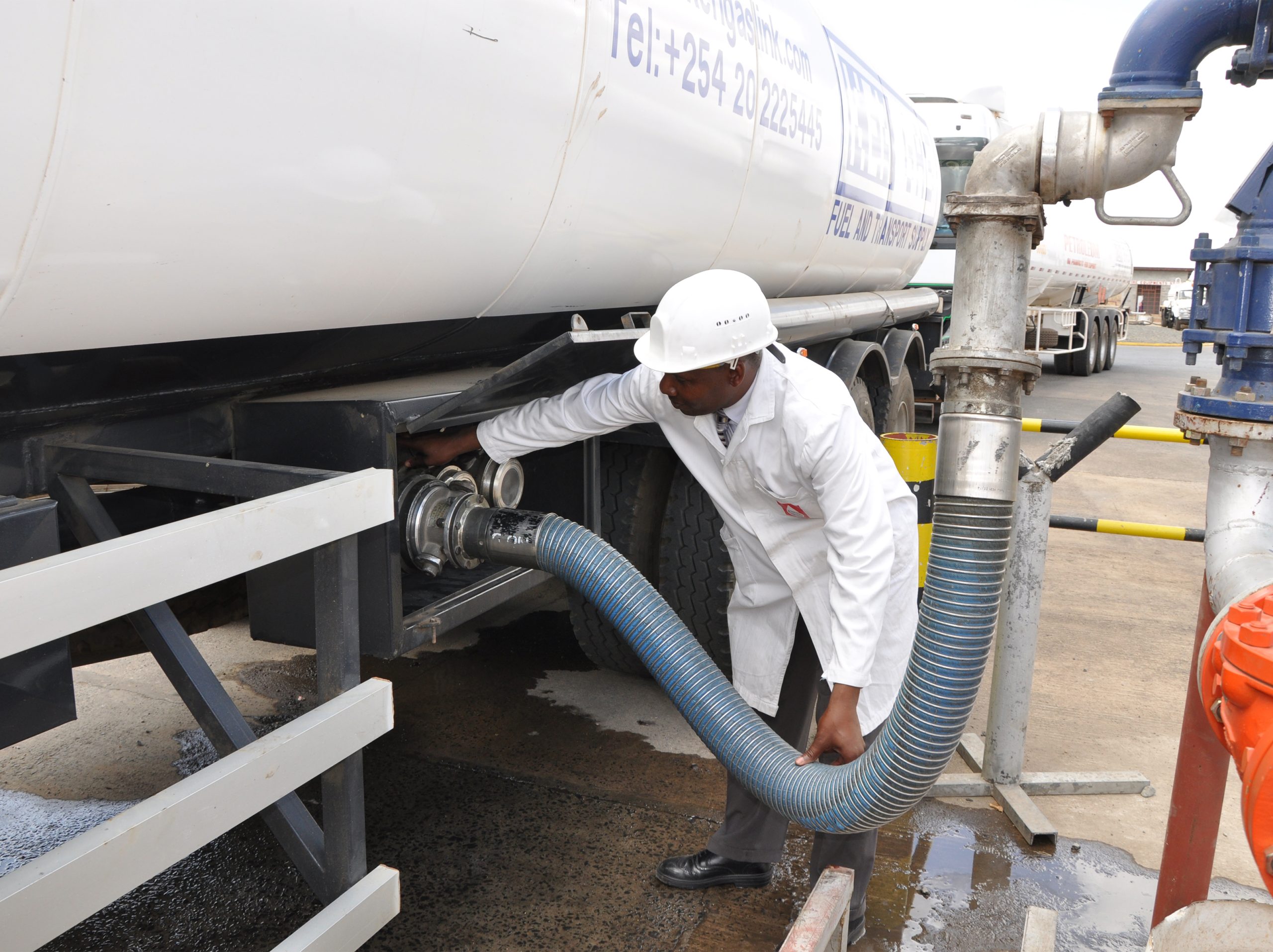
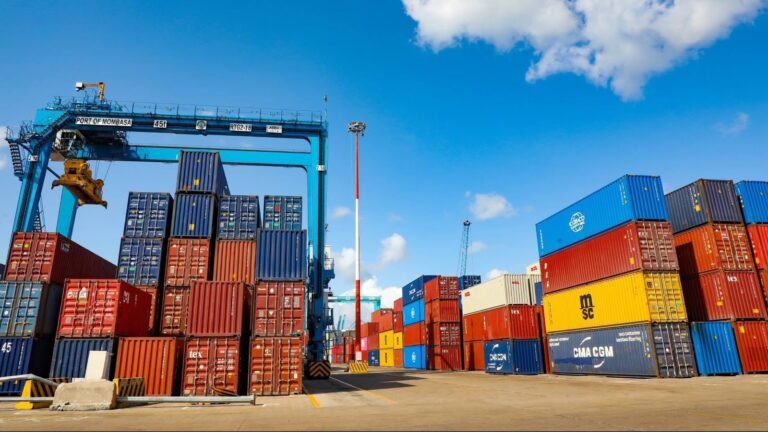
Kenya relies heavily on imported petroleum products, making domestic fuel prices particularly sensitive to international market movements. Petroleum products account for a significant share of the country’s import expenditure and influence the cost of transporting goods and delivering services across the economy.
Any prolonged disruption to shipments through major international shipping routes, particularly the Strait of Hormuz, could affect the cost and availability of fuel, with consequences for transport, manufacturing and agriculture.
The government has maintained that the measure is driven by exceptional international supply conditions rather than a permanent change to Kenya’s fuel quality standards.
Authorities will review the waiver at the end of the six-month period or earlier if global supply conditions improve.
