

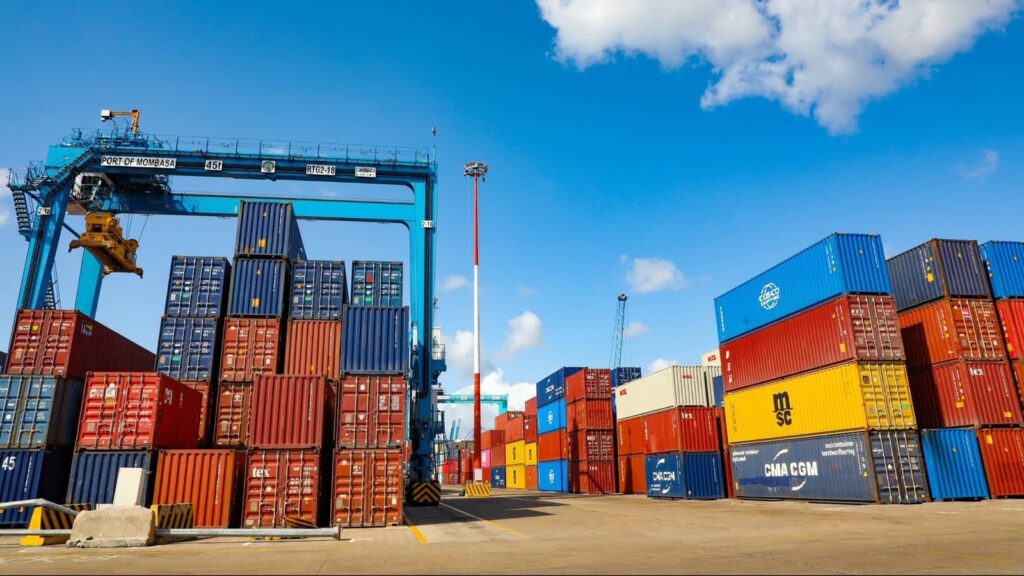
The Kenya Revenue Authority (KRA) has published a list of 30 product categories that will no longer qualify for the simplified Ksh2 million consolidated cargo clearance scheme, marking a significant tightening of the trade facilitation measure introduced just two months ago.
In a notice issued on Thursday, November 5, the tax authority confirmed that high-value and sensitive goods – including foodstuffs, smartphones, smartwatches, used clothing and shoes, televisions, and ready-made garments – are now fully excluded from the framework.
The exclusion list also covers fabrics, cosmetics, new shoes, sanitary ware, motorcycle spare parts, carpets, and musical instruments.
“For the above goods to qualify under the framework, their combined volume must not exceed 5 per cent of the total shipment volume,” KRA stated in the notice, referring to a conditional category of items including computer and mobile phone accessories that may still be consolidated under strict limits.
The authority added that all conditionally allowed items must be “fully declared on the invoice, entry and the list of importers, specifying the description and quantity of each item,” with customs value assessed using applicable unit values.
The exclusion list represented the latest chapter in a months-long dispute between KRA and small-scale traders over the cost of clearing consolidated cargo.
The controversy began when KRA raised the valuation benchmark for consolidated shipments, prompting protests from MSME importers who argued that the higher threshold was making their businesses unsustainable.
In September, President William Ruto intervened directly, directing the tax authority to lower the benchmark from Ksh2.5 million to Ksh2 million and to identify high-value goods that should be treated separately from ordinary consolidated cargo.
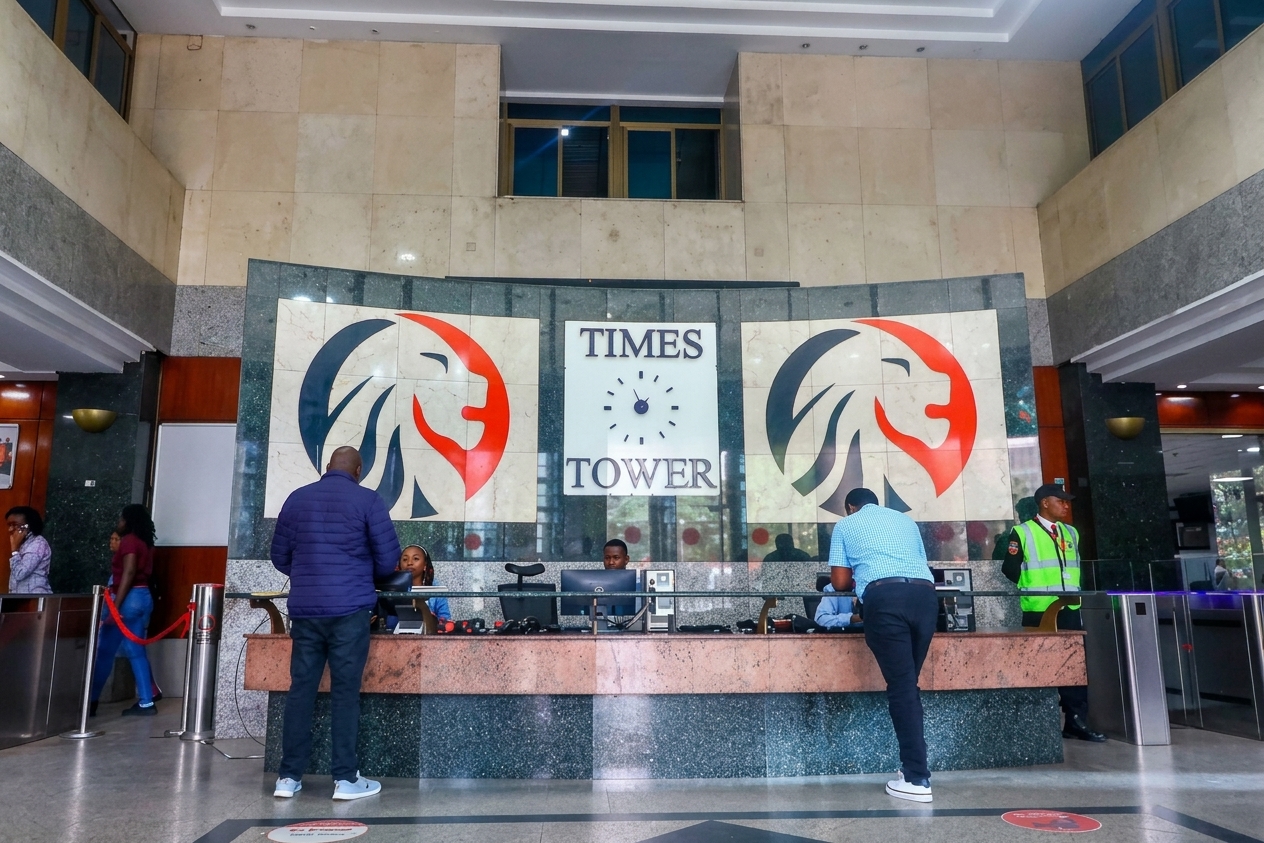
The government and traders subsequently reached an agreement on September 2 that included the reduction, the removal of the Advance Cargo Declaration requirement, and a commitment by KRA to publish an exclusion list.








“Following the consultations, the Government and traders have reached an agreement to resolve the outstanding issues while strengthening compliance, transparency and accountability in the consolidated cargo sector,” read a communiqué issued after the State House meeting.
The September deal also required all cargo consolidators to be vetted and registered afresh by October 15, 2026, and mandated the establishment of de-consolidation centres in Nairobi and Mombasa.
As an immediate cost-cutting measure, Kenya Railways reduced the charge for transporting cargo from the Inland Container Depot to the Bomaline De-consolidation Centre from Ksh58,000 to Ksh10,000.
The exclusion of smartphones and ready-made garments is likely to have a significant impact on small-scale importers who rely on consolidated shipping to pool goods from suppliers in Asia and elsewhere.
These categories represent some of the most commonly traded items among MSMEs, and their removal from the Ksh2 million framework means importers will now face standard customs clearance procedures, which typically involve higher documentation requirements and potentially different valuation outcomes.
KRA has emphasised that the exclusions are intended to ensure the framework is applied consistently and transparently.
The authority has not indicated whether further revisions to the list are planned, though the multi-stakeholder committee established under the September agreement – chaired by the Cabinet Secretary for Investments, Trade and Industry – is expected to review implementation and report quarterly to the President.
The notice comes as KRA announced it had surpassed the Ksh1 trillion revenue mark by the end of October, with customs collections reaching a record Ksh94.793 billion in October alone. The authority is pursuing a Ksh3.268 trillion collection target for the 2026/2027 financial year.
