


The Ministry of Health has issued a public warning against the misuse of cetirizine, a common allergy medication, following a viral social media trend falsely claiming that the drug can enhance sexual intimacy by reducing natural lubrication and creating a sensation of tightness in women.
Principal Secretary for Medical Services Ouma Oluga issued the warning on Wednesday, November 4, during a High-Level Health Products and Technologies (HPT) Stakeholder Meeting in Nairobi. He expressed concern over how casual online discussions were encouraging dangerous public experimentation with pharmaceuticals.
“I saw people discussing this medicine in a manner that is like a joke, but this also influences some sections of the public to misuse products and medicine,” Oluga stated.
The trend, which gained traction primarily on X (formerly Twitter), reportedly led some women to experiment with cetirizine, not for its intended purpose of relieving allergies, but in an attempt to suppress sexual desire or achieve vaginal dryness.
Online posts falsely suggested that inserting the oral tablet directly into the vaginal canal could reduce secretions to mimic tightness.
According to the World Health Organization and standard medical guidelines, cetirizine is a second-generation antihistamine designed strictly for oral administration. It is used to relieve symptoms such as sneezing, a runny nose, itchy skin and watery eyes by blocking histamine H1 receptors.
While dry mouth is a recognised common side effect, there is no established scientific evidence that the drug can safely or effectively tighten vaginal muscles, improve elasticity or reliably alter vaginal lubrication for sexual purposes.
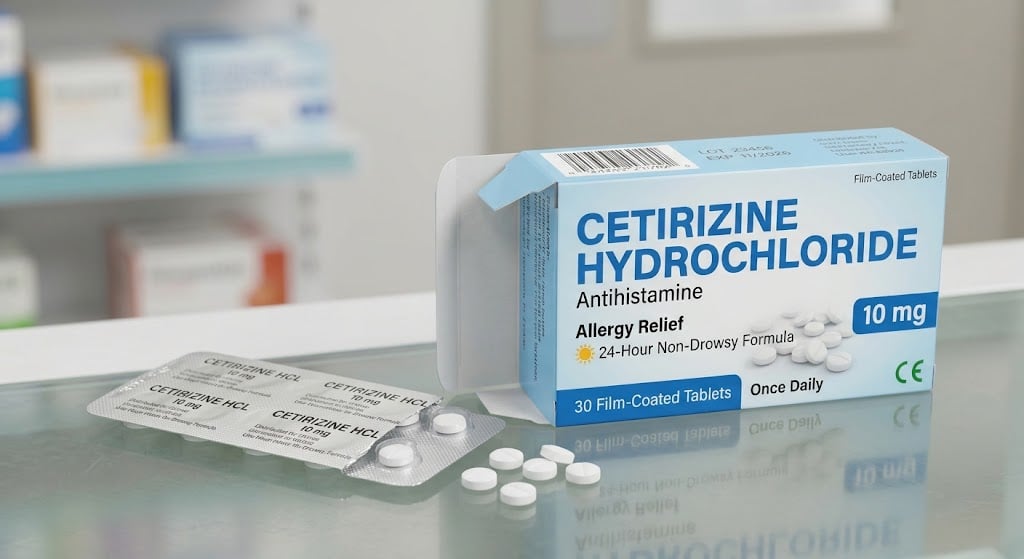
Health experts have warned that inserting oral tablets vaginally is particularly hazardous. Canadian gynaecologist Dr Jen Gunter has previously cautioned that such misuse carries severe risks.
“Inserting an oral antihistamine directly into the vaginal canal carries severe risks, starting with severe friction, tissue trauma, and micro-tears,” Gunter wrote.
“Drying out the natural mucosal membrane deprives the vagina of essential lubrication, creating extreme friction during intercourse that leads to dyspareunia, epithelial tearing, and vaginal abrasions.”












She further noted that micro-tears compromise the vaginal wall’s protective barrier, potentially increasing vulnerability to sexually transmitted infections, including HIV and HPV.
The viral trend has also had tangible consequences on the ground, with pharmacists in Nairobi reportedly experiencing panic buying, severe inventory shortages and prices rising to three times their normal rates as demand surged.
In response, Oluga indicated that the government was exploring stringent regulatory measures, including the possibility of developing a system to trace individuals purchasing the medication.
“What we can assure Kenyans is that we can develop a system that can trace everyone, for instance, who has gone to buy cetirizine,” Oluga said, adding that authorities could consider measures such as directly observed therapy where necessary.
He also called for closer monitoring of the medicine’s supply chain to establish its origins and distribution.
“From a medicine control perspective, it is very important that we trace who manufactured this cetirizine and who sold it to which patient?” he noted, explaining that such data would empower community health promoters to reach individuals and address concerns surrounding inappropriate use.
Meanwhile, the Pharmacy and Poisons Board reiterated the importance of pharmacovigilance, which involves monitoring medicine safety even after products have been approved for public use.
The board urged Kenyans who experience suspected side effects from any medication to report them through its official system.
