

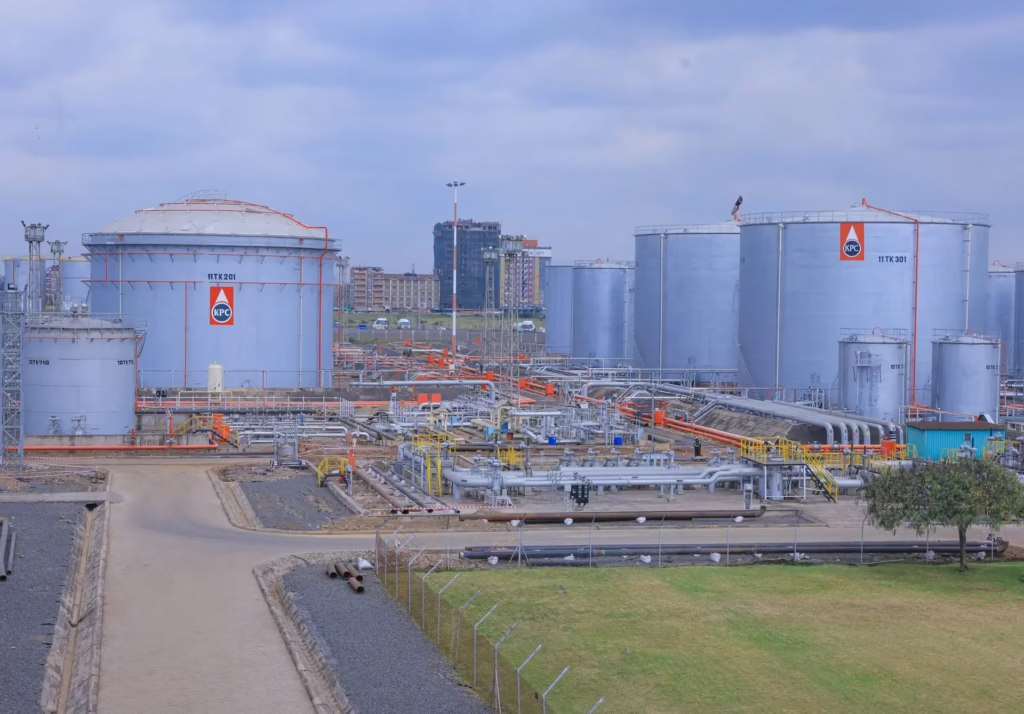
The Kenya Pipeline Company (KPC) has foiled an attempt to siphon petroleum products through an illegal connection on its pipeline network in Mombasa County.
The attempted theft was detected on Monday, November 2, during routine surveillance by the company’s security and pipeline maintenance teams.
According to KPC, the illegal connection had been installed on a pipeline linking Pumping Station 14 to Pumping Station 15 in Mombasa County.
The company’s emergency and incident response teams moved in after detecting the connection, securing the site before any petroleum products could be siphoned.
KPC said the matter was subsequently reported to Chaani Police Station, with specialist police teams launching investigations to establish those behind the attempted theft.
“Our gallant officers have successfully managed to foil a criminal act which is currently under investigation by the relevant authorities,” said KPC General Manager for Human Resource and Administration Dinah Kirwa.
Kirwa added that the attempted siphoning did not result in any loss of petroleum products because the monitoring teams promptly detected the illegal connection and secured the scene.
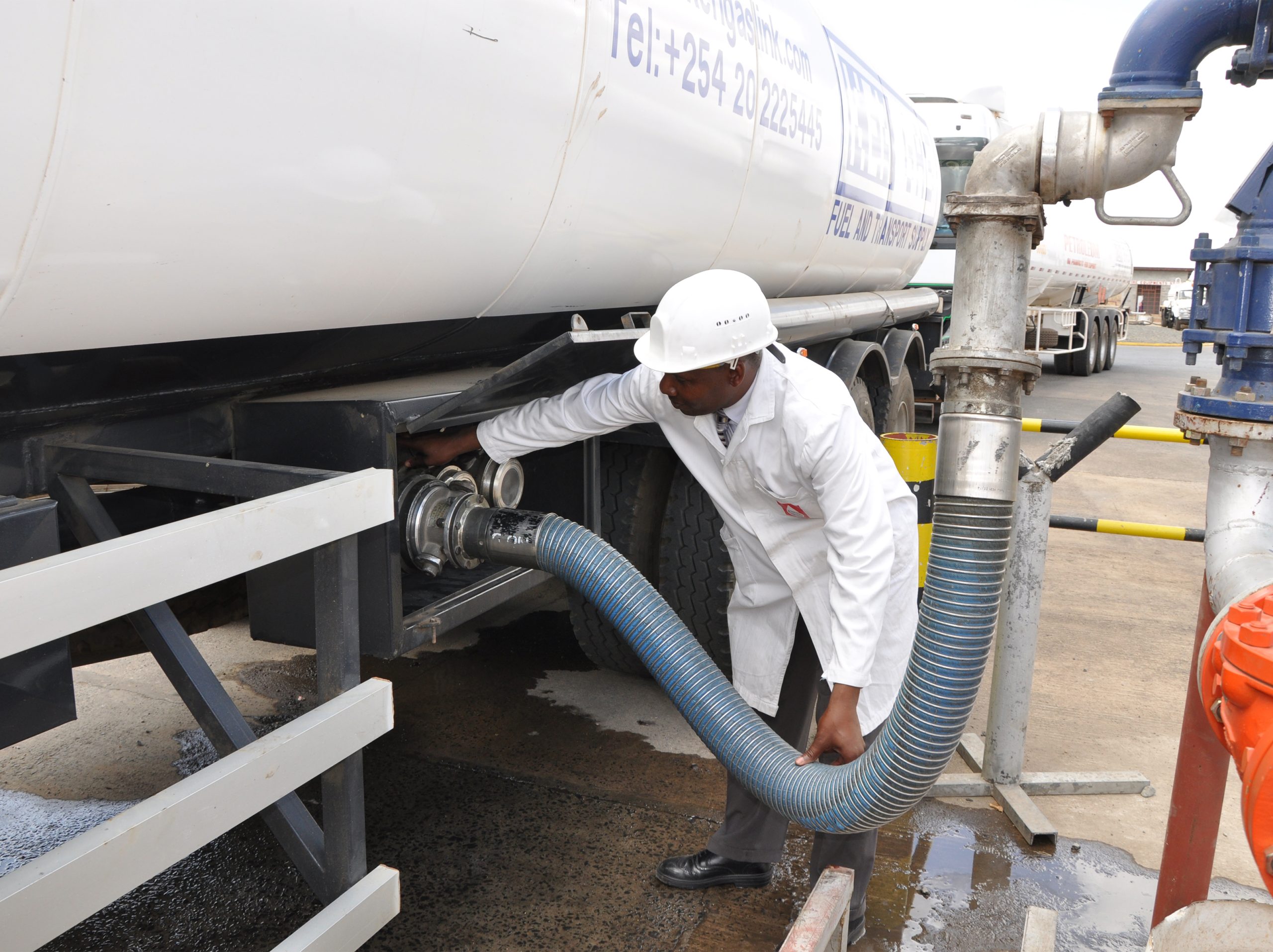
The incident comes amid longstanding concerns over attempts to steal petroleum products through illegal connections on Kenya’s pipeline infrastructure.
In June 2017, KPC and police launched investigations into an illegal connection discovered along the Nakuru-Kisumu pipeline in Koru, Muhoroni, where a network of underground pipes had allegedly been installed to siphon fuel into storage tanks at a nearby petrol station.








In a statement at the time, then KPC Managing Director Joe Sang said the illegal connection involved underground piping running through an adjacent house to the petrol station.
“On Friday, KPC officials discovered an illegal connection with a network of pipes leading to a petrol station labelled Hess Energy Kenya some 100 metres away,” the company stated.
Another major fuel theft investigation emerged in 2019 after detectives uncovered an alleged siphoning operation along the Mombasa-Nairobi pipeline at Mlolongo, where criminals reportedly used an underground tunnel to access the petroleum infrastructure and divert fuel into tankers.
The investigations highlighted the security risks facing the country’s petroleum transportation network and the potential financial losses associated with illegal connections.
KPC says it has since strengthened surveillance across its pipeline infrastructure through technological and physical security systems designed to detect and prevent criminal interference.
The company maintains a 1,342-kilometre pipeline network across Kenya, supported by security intelligence, leak detection and safety technologies that provide real-time monitoring of critical infrastructure.
It has also invested in internationally benchmarked safety protocols to minimise operational, environmental and reputational risks associated with pipeline incidents.
