


Kenya’s National Assembly has ordered the Central Bank of Kenya (CBK) to suspend the rollout of new regulations that would have significantly expanded oversight of digital lenders, buy-now-pay-later platforms, and asset financiers, citing illegal penalties and vague drafting that could expose businesses to arbitrary enforcement.
The directive, issued Thursday by the National Assembly’s Delegated Legislation Committee, throws a wrench into the regulator’s plans to tighten consumer protection and clean up a credit market that has grown rapidly but has also been plagued by predatory collection practices.
The committee, chaired by Ainabkoi MP Samuel Chepkonga, took issue with provisions in the proposed Non-Deposit-Taking Credit Providers Regulations that would allow the CBK to demand unspecified documents or prescribe additional functions without clear legal limits.
Chepkonga said the regulations should not grant the regulator unlimited discretion, arguing that Kenyans must understand their legal obligations and have an opportunity to participate in the lawmaking process.
“What we do not allow you is to have open-ended discretion,” Chepkonga said during the session at Parliament Buildings. “Kenyans must be given notice and know what the law requires of them. You cannot introduce vague provisions that deny people an opportunity for public participation.”
The lawmakers specifically flagged Clause 86, which proposed financial penalties of up to Ksh2 million for violations. According to the committee, this amount exceeds the maximum ceiling permitted under the Statutory Instruments Act, rendering the regulations legally void.
Chepkonga warned that the proposed penalties were inconsistent with the law governing statutory instruments.
“The Statutory Instruments Act provides for a maximum which these regulations exceed. Already, that is inconsistent. It makes these regulations themselves void,” Chepkonga warned.

Bonchari MP Charles Onchoke also criticised the draft for using complex legal jargon, arguing that ordinary Kenyans would struggle to understand their obligations under the new rules.
“This is a document for non-lawyers. You have to use different words to explain what you mean. Bring it down for ordinary people to understand,” he said.
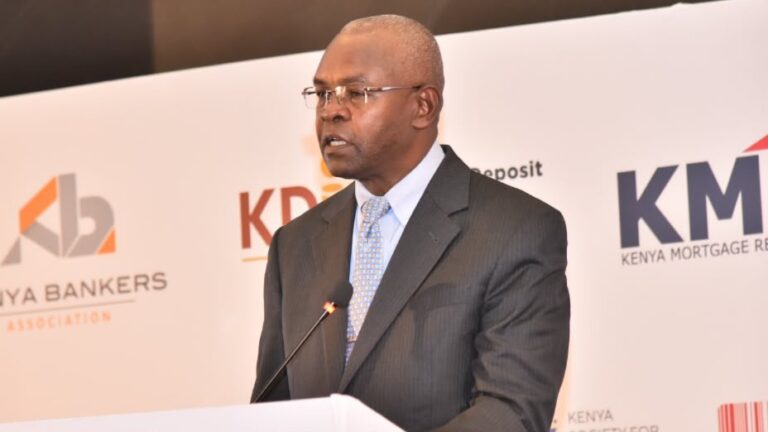











The halted regulations were intended to replace the 2022 Digital Credit Providers Regulations and bring a wider array of non-bank lenders under the CBK’s supervisory umbrella.
The proposed reforms sought to address long-standing complaints about high borrowing costs, misuse of personal data, and aggressive debt collection tactics, including the practice of shaming defaulters by contacting people in their phone contacts.
According to data presented by CBK officials to the committee, the regulator has received over 900 licence applications since the digital credit framework was introduced in 2022. By September 2026, 281 providers had been licensed, managing loans valued at approximately Ksh165.1 billion.
The proposed rules would have required lenders with initial capital exceeding Ksh20 million to obtain a full licence, while smaller operators would apply for registration.
They also included provisions requiring prior CBK approval for new products or interest rate changes and capping recovery on non-performing loans.
The suspension represents a reprieve for digital lenders and fintech operators who had lobbied against what they viewed as costly and cumbersome compliance requirements. However, consumer advocates argue that the delay leaves borrowers exposed to exploitative practices for longer.
The committee has directed CBK officials to work with parliamentary legal counsel to review and redraft the disputed provisions before any implementation can proceed.
The regulator must now revise the proposed regulations to ensure they comply with the Statutory Instruments Act while still achieving its supervisory objectives.
