

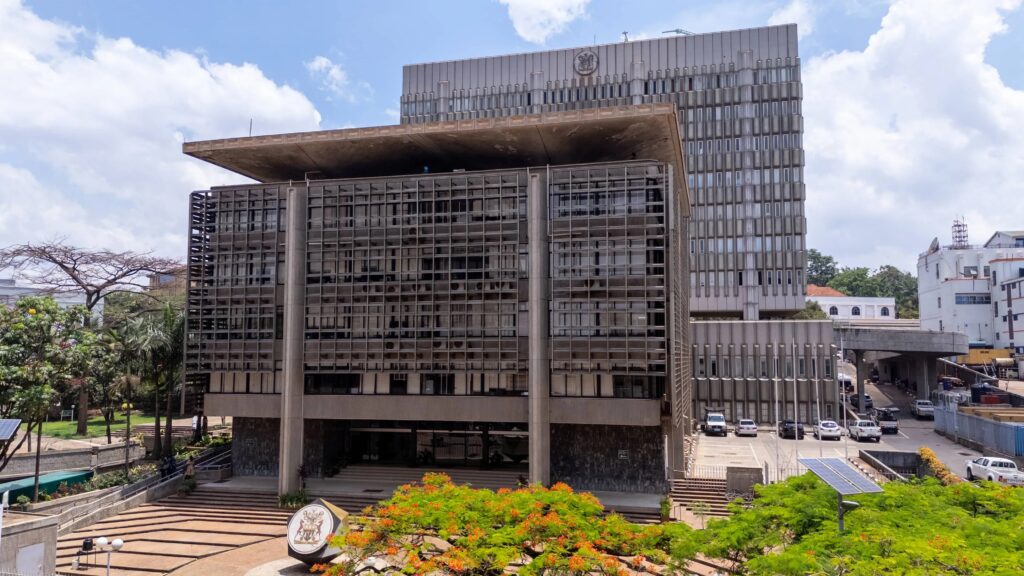
Uganda’s shilling has tumbled to its weakest level in more than three decades, defying emergency interest rate hikes and direct dollar sales by the central bank, as surging import costs and foreign investor outflows overwhelm policymakers’ efforts to stabilise the currency.
The shilling weakened past 4,500 per US dollar in late October, extending its losses this month to as much as 13% and making it the second-worst performing currency globally after Iraq’s dinar, according to Bloomberg data.
The currency had opened 2026 at roughly 3,623 shillings to the dollar, meaning it has lost approximately 20% of its value this year.
The Bank of Uganda convened an emergency Monetary Policy Committee meeting on October 14 and raised the benchmark Central Bank Rate by 225 basis points to 12%, the largest single hike since 2011 and the highest rate since December 2016. The central bank simultaneously sold approximately $30 million in the foreign exchange market – its first direct intervention since June 2022.
The measures provided only fleeting relief. The shilling briefly strengthened to around 3,951 per dollar following the announcement, but by October 21 it had plunged to 4,295, erasing all gains and setting a fresh record low. By October 26, it had weakened further to 4,510.
Finance Minister Henry Musasizi told Parliament on October 27 that the government was supporting the central bank’s tightening measures through expenditure restraint.
“Bank of Uganda has tightened monetary conditions including raising the Central Bank Rate from 9.75 per cent to 12 per cent and increasing commercial banks’ cash reserve requirement to 13.5 per cent from 11 per cent,” Musasizi said. “These measures are intended to moderate excessive demand, contain inflationary pressures and support confidence in the shilling”.
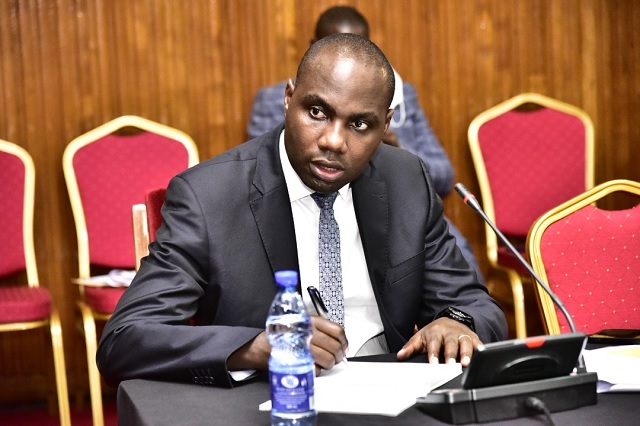
The minister attributed the pressure to a sharp rise in foreign exchange demand from the energy sector. Net foreign-exchange demand from energy companies increased from $360 million in the three months to September 2025 to $620 million in the same period of 2026 – an increase of $260 million.







Foreign investors have also been retreating from Uganda’s financial markets. Citigroup estimated that approximately $200 million exited Uganda over a two-week period, as rising US Treasury yields made dollar-denominated assets more attractive relative to Ugandan government bonds.
The central bank reported that the current account deficit widened by 43.8% to $4.6 billion, driven by weaker agricultural export earnings, lower tourism receipts, and higher import costs.
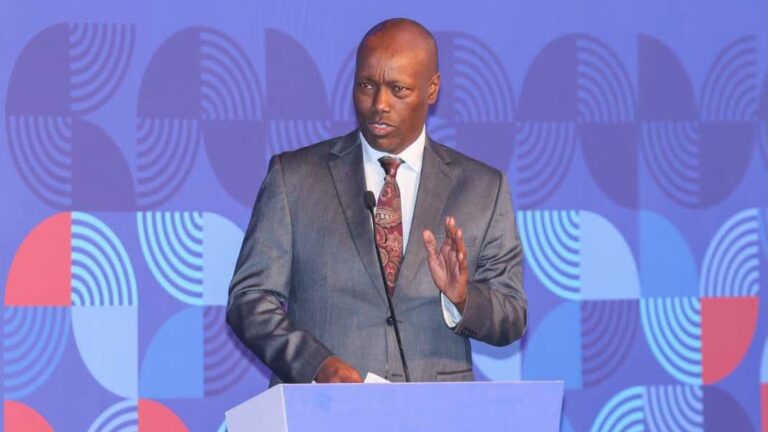
Governor Michael Atingi-Ego said the tightening was necessary to contain inflationary pressures and limit the impact of higher energy prices and currency depreciation. The central bank now projects headline inflation to average between 7.0% and 7.5% over the next 12 months, up from 4.6% in September.
The central bank’s return to direct dollar sales has drawn scrutiny because President Yoweri Museveni has previously ruled out using foreign-exchange reserves to prop up the shilling, instead advocating reduced imports and increased export and tourism earnings.
The intervention nonetheless proceeded, tapping into reserves that stood at approximately $6.7 billion at the end of June 2026 – equivalent to about 3.7 months of import cover, below the East African Community’s recommended 4.5 months.
The shilling’s slide has raised the local-currency cost of imported fuel, machinery, and other goods, feeding through to domestic prices. The central bank lowered its GDP growth forecast for the 2026/27 financial year to between 6.0% and 6.5%, down from a previous projection of 7.0% to 7.5%, citing currency depreciation, elevated energy costs, and tighter financial conditions.
