

Boda boda riders in Kenya lose between 5 and 20 per cent of their daily earnings to bribes, while small-scale market traders face harassment and demands for money from county enforcement officers, a new World Bank report has revealed.
The report, Kenya Economic Update, says corruption by frontline government institutions is reducing the take-home income of informal workers, increasing financial uncertainty and making it harder for small businesses to grow.
It estimates that Kenya has between 1.6 million and two million boda boda riders, while the number of informal market stalls is believed to be at least twice as high.
Boda boda riders earn approximately Ksh1,100 per day, depending on their location and operating costs, including whether they own or rent their motorcycles and whether they use fuel or electricity.
Meanwhile, informal market vendors take home between Ksh300 and Ksh1,500 daily on average, depending on the goods they sell and where their stalls are located.
However, the World Bank says these earnings are affected by demands for bribes from institutions such as traffic police, inspection services and municipal agencies.
“Reports put the share of bribe fees paid by riders at 5-20 percent of daily earnings (KSh 50-100 daily, plus occasional larger bribe demands). These payments shrink take-home pay, coming on top of other costs such as fuel taxes, import taxes on motorcycles, and county and Savings and Credit Cooperative Organization (SACCO) fees,” the report states.
The lender notes that informal workers already face several challenges, including raising initial capital, unpredictable incomes, health and safety risks, limited training opportunities and intense competition from new entrants.
Although they operate informally, some are still required to meet regulatory obligations, including valid driving licences and National Transport and Safety Authority (NTSA) registration for boda boda and matatu operators.
Small-scale traders also pay daily market space or cess fees to county authorities.
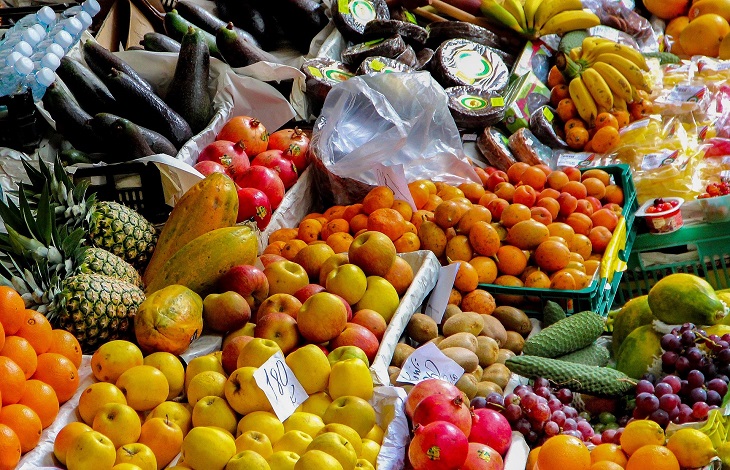
The report highlights complaints from informal market traders who say county enforcement officers regularly harass them and demand money, making it difficult to sustain their businesses.
In one social media complaint cited in the report, a trader raised concerns about the treatment of small businesses at Dagoretti Market.
“The county askaris are constantly harassing small traders in Dagoretti Market. The total amount of money mama mbogas (fresh produce vendors) are forced to pay to askaris per year is more than what they are required to pay. What has our MP done to protect these hustlers from exploitation and create a conducive environment for them to thrive?”
Another vegetable vendor described how demands from local authorities had affected their finances, forcing them to borrow money to meet the payments.
“We face constant harassment from local authorities. The city council collects money weekly, and if I don’t have it, they threaten to shut down my stall or fine me. It’s exhausting, and it puts a massive strain on my finances. I often have to borrow just to cover the bribes and still manage to feed my family and pay business rent,” the vendor said.
The World Bank explains that opportunities for bribery arise from the enforcement powers held by police officers and city inspectors.
Police officers can threaten boda boda riders and other drivers with criminal charges or the impounding of their vehicles, while county inspectors can use their enforcement powers against traders accused of violating county regulations.
Under the Nairobi City Inspectorate Act, 2017, inspection officers can arrest individuals without a warrant for offences such as trading without a licence, operating in restricted areas or obstructing streets.
The report says such threats of arrest can be exploited to demand bribes. It also notes that Nairobi City officials and the county government have defended inspections on safety grounds and have called for the arrest of people who attempt to record inspection and arrest activities.
The report further cites a survey conducted among 296 informal workers in Kisumu County, western Kenya, which found that boda boda riders faced significant harassment from police officers.
Boda boda drivers accounted for 25.3 per cent of the respondents, while general traders made up 21.6 per cent. Among the drivers surveyed, 46.8 per cent said they had experienced police harassment, mainly through threats of arrest and fines.
Of those who faced such threats, 78.7 per cent said they paid bribes to avoid further police action. Informal traders reportedly faced harassment less frequently, but most also resorted to paying bribes when confronted by enforcement officers.
The World Bank says systematic survey evidence on how corruption affects informal workers remains limited, but available findings indicate that bribery is widespread in Kenya.
 World Bank Exposes ‘Sweetheart Deals’ Behind Kenya’s High Electricity Bills
 World Bank Issues Fresh Warning Over Kenya’s Economy Ahead of 2027 Elections
 World Bank Flags Ksh120M KRA Stamp Loss, Ksh6.6B Cooking Oil Scandal in Corruption Report
 How Corruption is Holding Back Formal Jobs and Business Growth in Kenya – World Bank

It cites Transparency International’s bribery index, which showed that 48 per cent of self-employed people reported paying bribes in the 2025 survey round.
Cross-country comparisons also showed that the likelihood of paying a bribe after contact with an official was particularly high in Kenya, with only Uganda recording a higher level.
The report also finds that poorer people are more likely to pay bribes to police officers than those with higher incomes.
Using 2024 Afrobarometer data, the World Bank examined the likelihood of paying a bribe to avoid problems during police encounters that were not initiated by respondents seeking assistance.
Its analysis found that people in the fourth quartile of lived poverty, representing those experiencing the highest levels of deprivation, were 14 percentage points more likely to pay a bribe than those in the first quartile.
Those in the third quartile were 10 percentage points more likely to pay.
The report adds that corruption extends beyond police and county enforcement agencies, with households also facing demands for bribes when seeking public services and utilities.
It cites the 2022 Ethics and Anti-Corruption Commission (EACC) report, which identified Nairobi Water and Sewage Company and county government offices among institutions particularly prone to demanding bribes for services.
The NTSA, Kenya Revenue Authority (KRA) and business permitting services were also identified as areas where people were likely to face demands for payments.
Other services where substantial bribes may be demanded include electricity connections, the release of impounded goods and driving tests.
The World Bank further notes that Transparency International surveys indicate that bribe demands have increased across most institutions in recent years, with particularly strong increases reported at Huduma Centres, tax services and medical and health facilities.
Afrobarometer data also showed that the probability of paying a bribe when visiting a clinic or hospital increased by 10 percentage points between the lowest and highest lived-poverty groups.
The lender warns that widespread corruption is reducing the purchasing power of informal workers while limiting their ability to expand their businesses.
It notes that most informal workers earn less than Ksh20,000 per month, making even relatively small deductions from their income a significant financial burden.
The report also cites the 2025 EACC survey, which placed the average bribe at KSh6,724 across a range of administrative services.
It states that poor Kenyans are consequently forced to surrender a substantial share of their income when seeking public services or go without essential registration, licences and other services.
Those who operate without the required documentation may then become more vulnerable to further demands from enforcement agencies and face greater insecurity over their property rights.
“Overall, widespread corruption contributes to lower earnings and purchasing power among informal workers, reducing consumption as well as business expansion opportunities,” the report states.
The findings add to concerns over the conditions facing Kenya’s informal transport sector, which provides livelihoods for millions of people.
In April 2026, the World Bank highlighted the potential of electric motorcycles and new business models to improve the welfare of boda boda riders, citing research that found lower operating costs and pathways to motorcycle ownership could improve productivity and earnings.
The institution said the sector continued to face safety risks, regulatory gaps and poor working conditions, despite employing approximately two million riders in Kenya.
