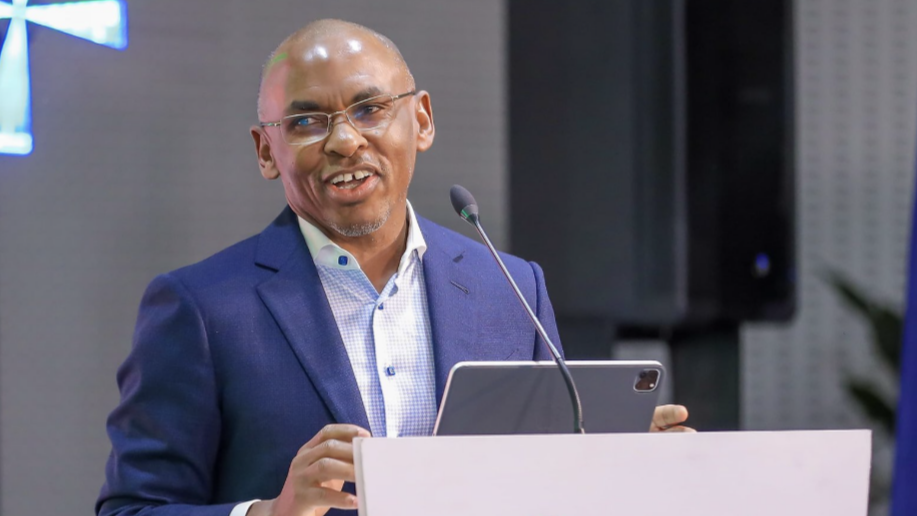
Safaricom’s mobile data customer base has grown to 54.2 million, the company revealed in its half-year results for the period ended September 30, 2026, underscoring the telco’s continued dominance in Kenya’s digital connectivity market.
The figure represented a 12.2 per cent increase in mobile data customers, according to the HY27 financial results released on Thursday. Mobile data revenue rose 14 per cent to Ksh40.7 billion, while average data usage per user climbed 10.1 per cent to 11.4GB, reflecting increased digital adoption and growing consumption of digital content.
The results also showed that one-month active customers across the Kenya business increased 9.3 per cent to 53.3 million, a distinct metric from the mobile data customer count. Connectivity revenue, the broader category that includes mobile data and voice, grew 17.7 per cent to Ksh103.3 billion.
Safaricom attributed the growth in its connectivity business to increased mobile data adoption, expansion of home broadband connections and rising demand for digital services.
“Kenya service revenue grew 11.3% to Kshs 215.9B, supported by continued momentum across M-PESA, connectivity and fixed services. M-PESA revenue reached Kshs 99.7B, contributing 46.2% of service revenue, supported by 7.0% growth in the customer base to 37.3M, transaction value increased 16.6% to Kshs 23.56T, while the merchant ecosystem expanded 9.3% to 1.1M merchants. Mobile data revenue grew 14.0% to Kshs 40.7B, increasing 9.7% to Kshs 25.5B. Connectivity revenue increased 17.7% YoY to Kshs 103.3B, supported by Mobile Data growth of 12.2% to 54.2M and Home Broadband connections grew 10.3% to 420,206.
“One-month active customers increased 9.3% to 53.3M, while data usage rose 10.1% to 11.4GB per user, reflecting increased digital adoption and growing digital content consumption. Fixed Services and IoT revenue grew 25.5% to Kshs 12.5B, supported by accelerated customer acquisition and increased adoption of fibre and 5G Fixed Wireless Access. Fixed service customers increased 31.8% to 969,836, reflecting continued demand for high-speed, reliable connectivity,” the report read.
At the group level, Safaricom reported service revenue of Ksh226.0 billion, a 13.1 per cent increase year-on-year, supported by sustained performance in Kenya and continued investment in Ethiopia. Group net income surged 35.9 per cent to Ksh58.2 billion, while earnings before interest, tax, depreciation and amortisation rose 27.5 per cent to Ksh129.2 billion.

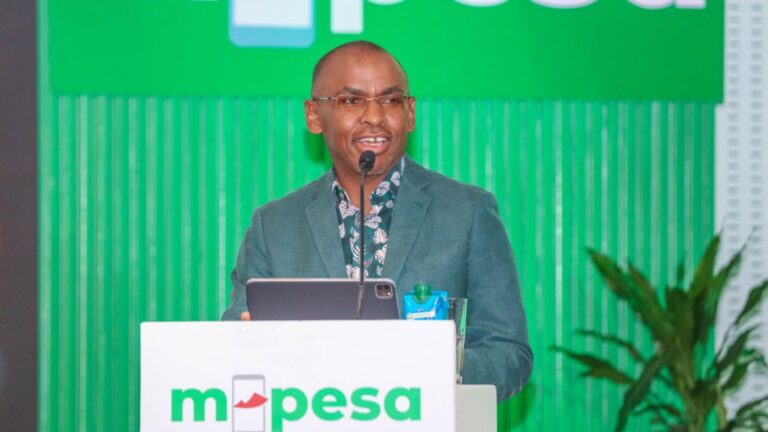
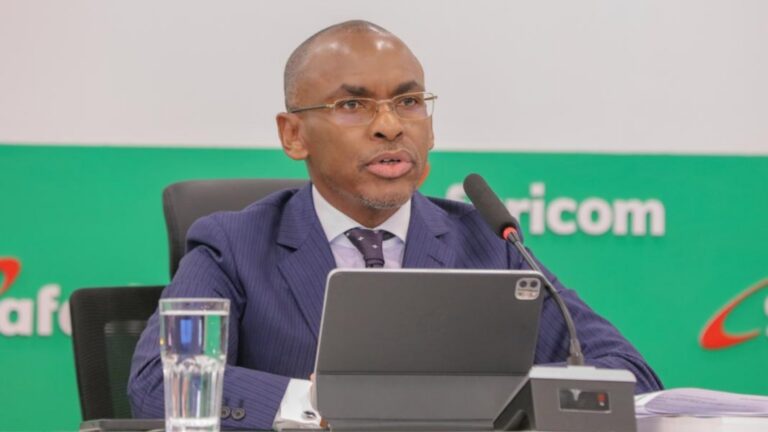



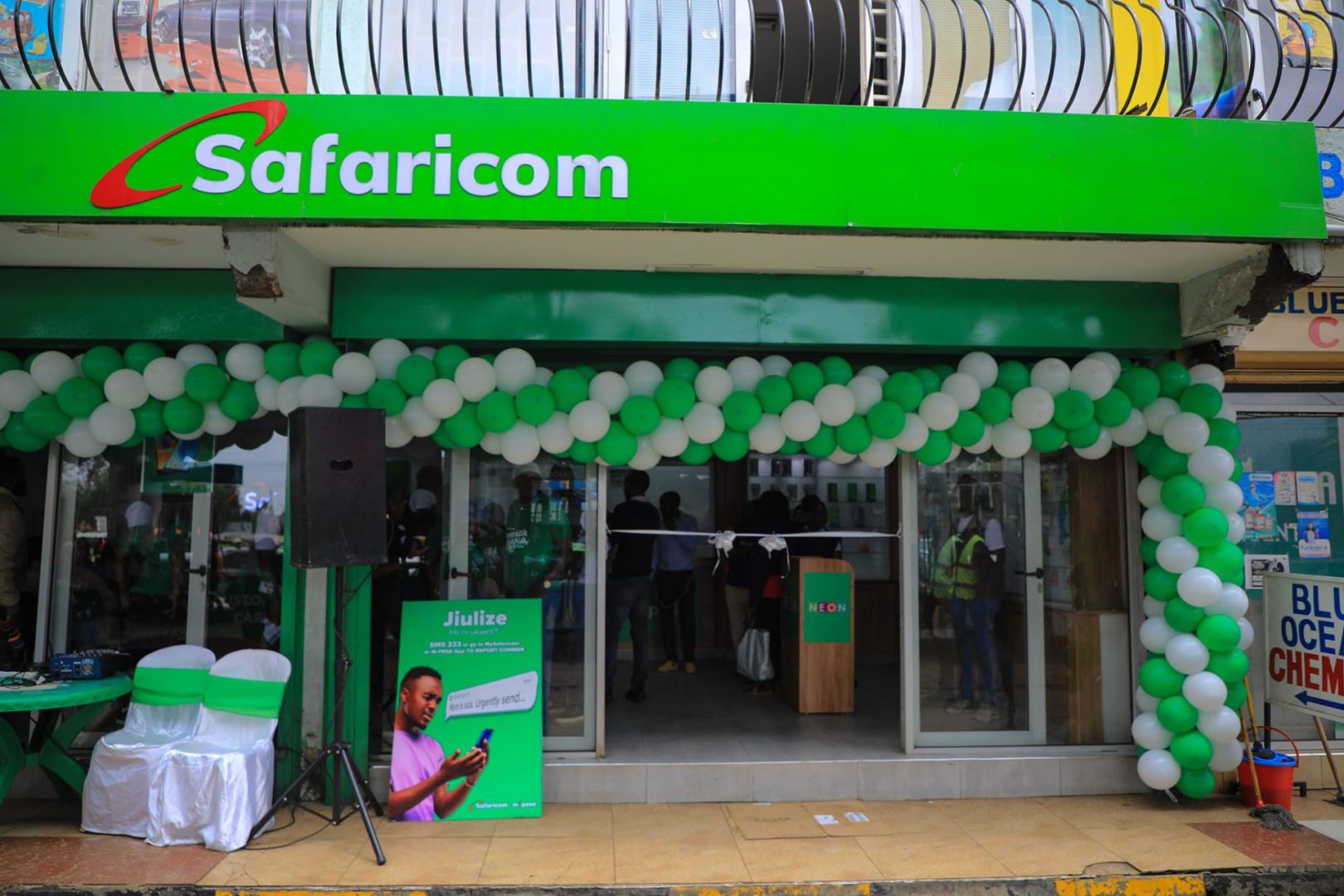
Safaricom Group CEO Peter Ndegwa said the performance reflected the company’s execution of its long-term growth strategy, with Ethiopia continuing to record progress towards profitability.
“We remain firmly focused on delivering our Vision 2030 ambition of becoming Africa’s leading purpose-led technology company. Our performance reflects strong execution across our businesses, while Ethiopia’s sustained growth and commercial momentum brings us closer to our target of achieving EBITDA break-even by the end of this financial year,” said Ndegwa.
The Kenya business crossed the Ksh100 billion mark in earnings before interest and tax for the first time in a six-month reporting period, reaching Ksh101.8 billion. M-PESA revenue for the group also crossed Ksh100 billion for the first time in a half-year period, growing 13.6 per cent to Ksh100.1 billion.
Safaricom Chairman Adil Khawaja said the results demonstrated the resilience of the company’s business model and the importance of ensuring its financial growth translated into benefits for customers and communities.
“The results demonstrate the resilience of Safaricom’s business and the strength of our strategy. Importantly, this growth remains anchored in our purpose of transforming lives, ensuring that the value we create is reflected not only in our financial performance but also in the opportunities we enable for our customers, shareholders and the communities we serve,” said Khawaja.
In Ethiopia, Safaricom’s service revenue jumped 71.6 per cent to Ksh10.6 billion, with the business serving 15.4 million three-month active customers. The Ethiopian operation’s EBITDA loss narrowed by 96.5 per cent to Ksh434.4 million, bringing the subsidiary closer to its break-even target.
