

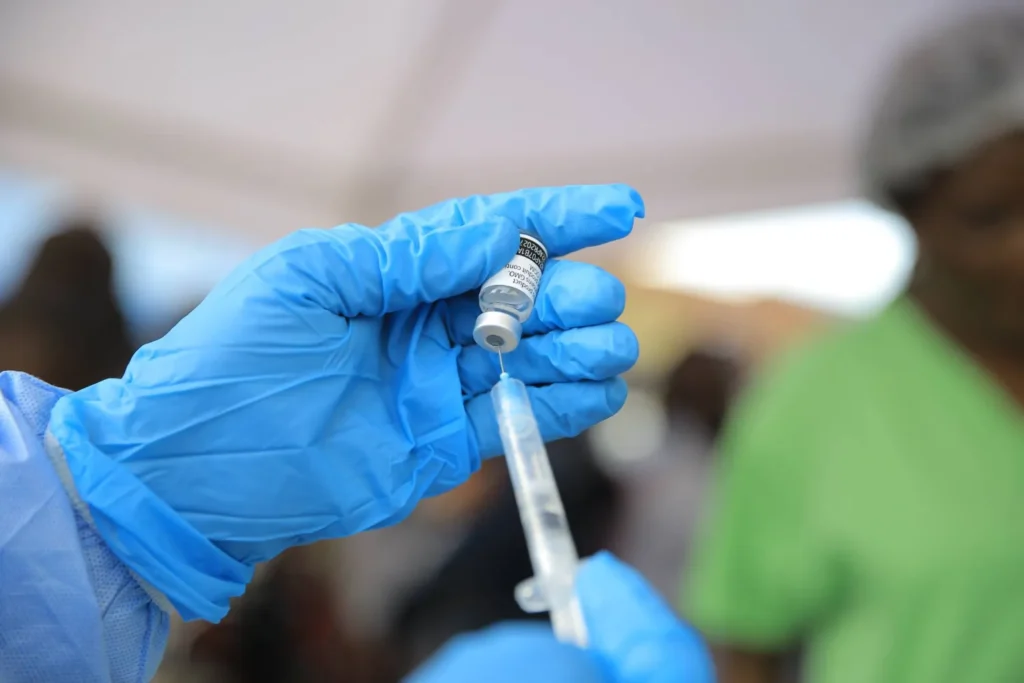
For nearly six decades, the Shamonda virus existed on the margins of veterinary virology – a pathogen known to circulate quietly among cattle in Africa and Asia, occasionally causing reproductive problems but never considered a threat to people.
That perception changed in October 2026, when French authorities confirmed the world’s first human infection in a severely immunocompromised patient who subsequently died.
The case has thrust a little-studied orthobunyavirus into the global spotlight, raising urgent questions about a virus that had, until this year, never even been detected in European livestock.
What is Shamonda virus?
Shamonda virus (SHAV) is a vector-borne pathogen belonging to the genus Orthobunyavirus within the family Peribunyaviridae. It is a member of the Simbu serogroup, a cluster of viruses that includes the better-known Schmallenberg virus, which caused a major epidemic in European livestock in 2011.
The virus was first isolated from cattle in Nigeria in 1965, and for decades thereafter it was detected only sporadically in West, East, and southern Africa, as well as in Japan.
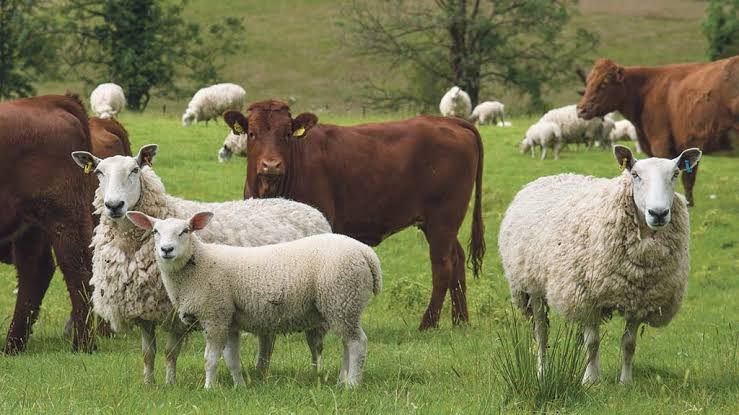
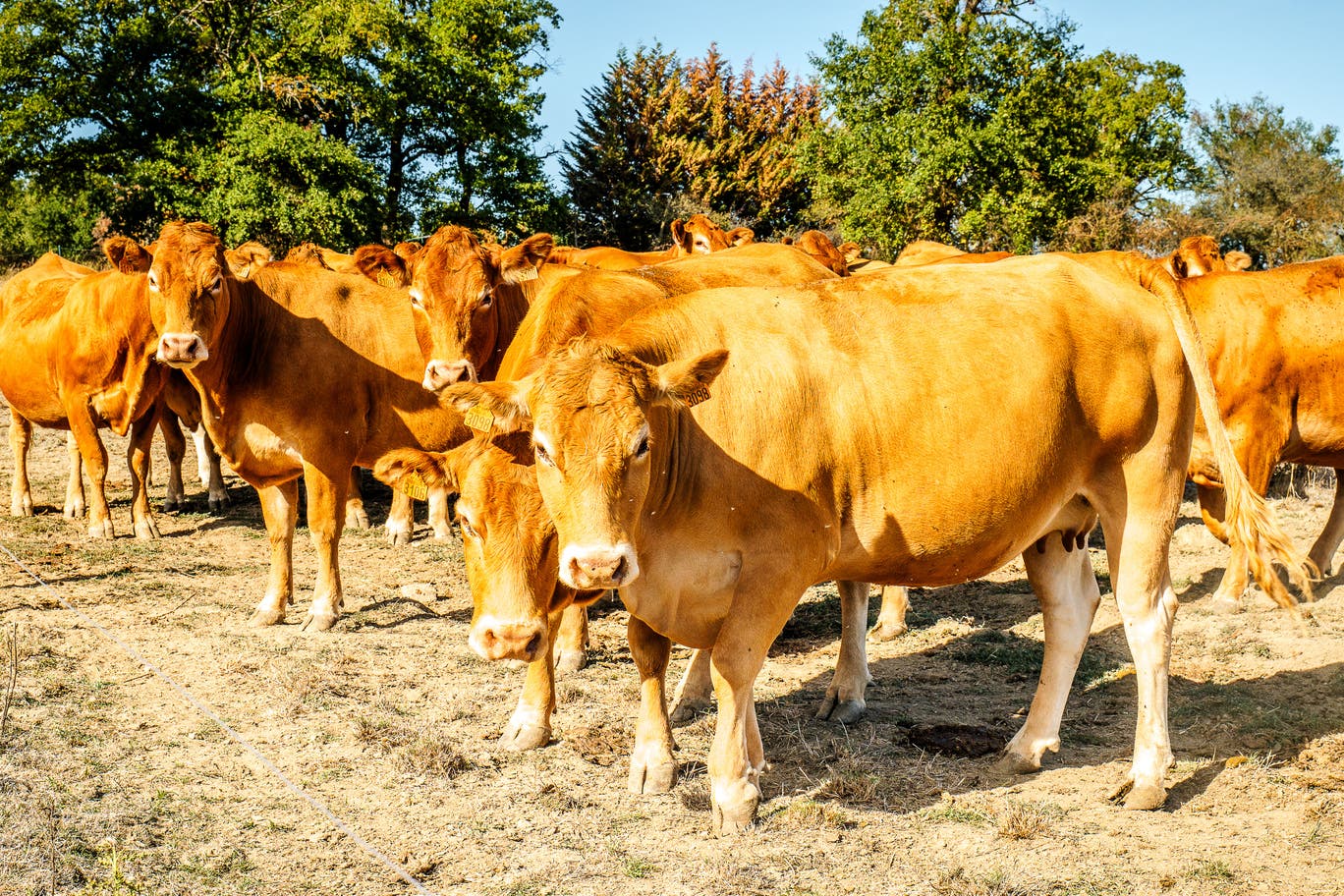
The virus is transmitted primarily by biting midges of the genus Culicoides, tiny insects that are also responsible for spreading Schmallenberg virus and other livestock pathogens. In animals, Shamonda virus is most commonly reported in cattle, though it has also been detected in sheep, goats, horses, and alpacas.
Clinical signs in livestock include fever, diarrhoea, reduced milk production, and – most concerning for farmers – reproductive disorders such as abortions and fetal malformations. A 2023 study from South Africa identified the virus in an aborted goat fetus, marking the first detection of SHAV in an aborted animal in that country and suggesting it should be considered in differential diagnoses for livestock abortions in Southern Africa.
The 2026 European emergence
The virus’s sudden appearance in Europe during the summer of 2026 marked a significant and unexpected development. Clinical signs in animals were first reported in June, and the pathogen was identified by late July.
Since then, Shamonda virus has been detected in livestock across an expanding list of countries: Austria, Belgium, France, Germany, Ireland, Italy, Liechtenstein, Luxembourg, the Netherlands, Portugal, Spain, Switzerland, and Jersey.
Crucially, genetic analyses revealed that the European outbreak was not a single event. According to the Friedrich-Loeffler-Institut (FLI), Germany’s federal animal health institute, two distinct variants are circulating: Shamonda virus Europe 1 (SHAV-EU1), which was first detected in Switzerland, France, and southern Germany, and Shamonda virus Europe 2 (SHAV-EU2), found in cattle samples from North Rhine-Westphalia, Lower Saxony, Hesse, and Thuringia.
The FLI described these as “two independent introduction and spread events” that are already overlapping in some German states.
The European variants have shown some differences from the classical African and Asian strains. Most notably, neurological disease has been observed in horses – a presentation never before documented for a Simbu serogroup virus in Europe.
In Germany, three horses died after developing encephalitis, with high viral loads detected in their brains. As Dr. Ben Brennan of the MRC-University of Glasgow Centre for Virus Research noted, “The equine findings set SHAV apart”.
The first human case
In early October 2026, a patient receiving treatment for a serious underlying illness at a hospital in Lyon, France, died after developing neurological symptoms. The patient had been severely immunocompromised, making them particularly vulnerable to infections and complications.
French health and agriculture ministries confirmed that the Shamonda virus had been isolated from the patient’s cerebrospinal fluid, and that the genotype belonged to SHAV-EU1, showing 99% similarity to a Swiss isolate.
The French authorities were careful in their language. “Although the virological, clinical, radiological, and epidemiological data point to a possible causal relationship between the infection and the patient’s clinical picture, they do not yet allow a definitive relationship to be established,” the ministries stated. The patient had begun showing neurological signs on September 23 and died approximately two weeks later.
 France Confirms World’s First Human Case of Shamonda Virus After Patient Death
 UK Universities Stop Admission Offers to Nigerian, Pakistani and Bangladeshi Students
 Who is Alice Huang? The Woman at the Centre of Nvidia CEO Jensen Huang Intelligence Allegations
 Six Dead, 15 Injured After Gunman Opens Fire in Poland’s Krakow








Dr. Brennan offered a measured interpretation of the finding: “This is an important scientific finding, as it is the first reported human infection with Shamonda virus. However, it is important to put this into perspective. The patient had a serious underlying illness that left them particularly vulnerable to infections, and we do not yet know whether Shamonda virus contributed to their death.
Finding a virus in a severely immunocompromised patient does not necessarily mean it poses a significant risk to otherwise healthy individuals”.
The likely route of infection, according to French authorities, was a bite from an infected Culicoides midge in eastern France, where virus circulation in animals had been detected during spring and summer 2026. However, the specific midge species involved remains unknown.
Expert and official response
The first human case prompted immediate responses from European and international health bodies. The European Centre for Disease Prevention and Control (ECDC) stated it was “closely monitoring the situation” and was in contact with French authorities and European partners to investigate the possible public health implications. The case was reported to the World Health Organization and the ECDC.
The World Organisation for Animal Health (WOAH) emphasized the importance of cross-sectoral collaboration: “Sharing evidence across animal and human health sectors is essential to understanding emerging threats and protecting the health of both animals and people”.
WOAH also noted that while Shamonda virus “has historically not been recognised as a cause of disease in humans,” knowledge of its zoonotic potential “remains limited, particularly for the variants circulating in Europe”.
Dr. Brennan sought to reassure the public while acknowledging the need for continued vigilance: “Based on the information currently available, there is no reason for the general UK public to be unduly concerned. This is a single reported human infection in someone who was already seriously ill and immunocompromised, despite the virus having circulated in animals for many years. There is currently no evidence of sustained transmission between humans, and the virus is normally spread through biting midges rather than everyday contact between people”.
This assessment was echoed by Martin Beer, Vice President of the FLI, who noted before the human case emerged that there had been “absolutely no evidence in the last 60 years of a zoonotic potential”. The human case has not fundamentally altered that assessment for the general population, but it has demonstrated that under specific conditions – particularly severe immunosuppression – the virus can infect humans.
What we still don’t know
The October 2026 case has exposed significant gaps in scientific understanding. WOAH’s FAQ on the virus acknowledges that “the full impact of the variants circulating in Europe remains uncertain” and that “the behaviour of the European variants of Shamonda, and specifically their behaviour in immunologically naive cattle populations, may differ from that of Shamonda virus in endemic countries”.
Several key questions remain unanswered:
- Transmission dynamics: While Culicoides midges are the established vector, the specific species responsible for the European outbreak has not been identified. There is no evidence of horizontal transmission between animals, though vertical transmission has been reported.
- Reproductive impact: Early reports indicate abortions and fetal malformations in some affected animals, but the full teratogenic potential of the European variants is unknown. Beer noted that for the related Schmallenberg virus, up to 30% of fetuses were malformed when sheep were infected at a particular stage of pregnancy. “We will only know in the coming months to early next year whether stillbirths or malformations are a major factor or something that happens only rarely,” he said.
- Cross-protection: According to the FLI, there appears to be little cross-protection from existing immunity to Schmallenberg virus, meaning animals previously exposed to that pathogen may still be susceptible to Shamonda.
- Reassortment risk: With Schmallenberg virus and two Shamonda variants now co-circulating in Germany, the FLI has warned that these viruses could exchange genomic segments and reassort, potentially changing their characteristics in unpredictable ways.
- Human risk: While the general population is considered at no significant risk, the possibility that other immunocompromised individuals could be infected – and the question of whether the virus could adapt to more efficient human transmission – remain open. The ECDC is working with the EU reference laboratory to strengthen diagnostic capacity and support member states in identifying any additional human cases.
A virus that never really leaves
Beer’s observation about the related Schmallenberg virus may prove prescient for Shamonda: “These viruses never completely disappear”. The detection of two distinct variants in Europe, the unprecedented neurological disease in horses, and now the first human infection all suggest that Shamonda virus is establishing itself in a new ecological niche.
Climate factors – particularly the extremely high summer temperatures of 2026 – likely facilitated the midge activity that drove the outbreak.
There is currently no vaccine against Shamonda virus. Control measures focus on vector management: using repellents and insecticides against Culicoides midges, combined with supportive veterinary care for affected animals. For human protection, the advice remains basic: the virus is not spread through everyday contact, and the general population faces no identified risk.
The coming months will be critical. As midge activity declines with falling autumn temperatures, the immediate crisis may subside. But the scientific work is only beginning. Serological surveys will help determine how widely the virus has spread; reproductive monitoring will reveal whether the European variants cause the kind of fetal devastation seen with Schmallenberg; and continued vigilance in human medicine will establish whether the Lyon case was a tragic anomaly or the first sign of something more significant.
For now, Shamonda virus has crossed a threshold. It is no longer a pathogen that affects only animals. And in a world of warming climates, expanding vector ranges, and increasing human-animal interfaces, it is unlikely to be the last obscure virus to make such a transition.
