


The Linda Mwananchi Movement proceeded with its highly anticipated inaugural National Delegates Conference (NDC) on Friday, November 13, 2026, despite a flurry of last-minute legal petitions seeking to halt the event.
The meeting, which is expected to formally ratify the transition of The Equitable Party (TEP) into the Linda Mwananchi Movement, was marked by strict attendance controls and a backdrop of internal party disputes.
Ahead of the conference, the movement issued a stern communication restricting participation exclusively to designated delegates registered under TEP.
Organizers cautioned that allocations were strictly based on registered membership per county and ruled out participation by members who did not meet the prescribed criteria.
“Attendance at the NDC on 13 November 2026 is restricted to designated delegates drawn from TEP members who were registered by the date the NDC notice was published,” the movement stated in its notice to supporters.
The leadership urged cooperation, adding, “We ask for your understanding and cooperation as we undertake this important process to approve the party’s name change and ratify other decisions necessary to formalise our transition to the Linda Mwananchi Movement”.
The decision to proceed came just hours after a legal challenge was filed at the Political Parties Disputes Tribunal (PPDT).
Emmanuel Wellingtone Khamala, identifying himself as a registered TEP member, petitioned the tribunal to suspend the meeting, arguing that the party’s leadership structures were constituted without elections and that members were excluded from major decisions.

Through his lawyers, Danstan Omari and Timothy Kilonzo, Khamala argued that the delegates expected to attend the NDC did not emerge from duly elected party structures.





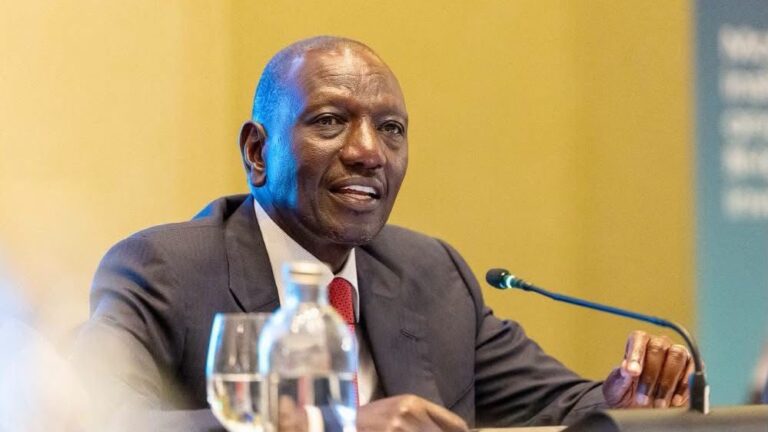






“Political parties are public institutions funded by taxpayers and must comply with legal requirements governing transparency, accountability and internal democracy,” Omari told journalists after filing the case.
The complaints were not isolated. Earlier in the week, another petition by Paul Kiragu Gachoka and Pamela Achieng Simwata sought to quash the NDC notice, alleging that the agenda items, including the name change and constitutional amendments, were not approved by the National Governing Council as required by the party constitution.
The party, however, maintained that the conference was a statutory requirement necessary to formalise its legal standing.
The November 13 NDC represents a critical milestone for the movement led by Nairobi Senator Edwin Sifuna.
The political outfit emerged from the fallout within the Orange Democratic Movement (ODM), where Sifuna was ousted as Secretary-General. Following his exit, Sifuna unveiled The Equitable Party (TEP) on October 4, 2026, as a vehicle for his political ambitions ahead of the 2027 General Election.
The movement has positioned itself as a national alternative, aiming to establish structures in all 47 counties.
During the launch of its headquarters, Sifuna outlined an ambitious economic agenda, promising to cut Ksh500 billion from government expenditure within the first 100 days to ease the cost of living.
The proposed leadership structure includes high-profile figures such as Vihiga Senator Godfrey Osotsi and former Meru Governor Kawira Mwangaza, signalling a broad coalition strategy.
