

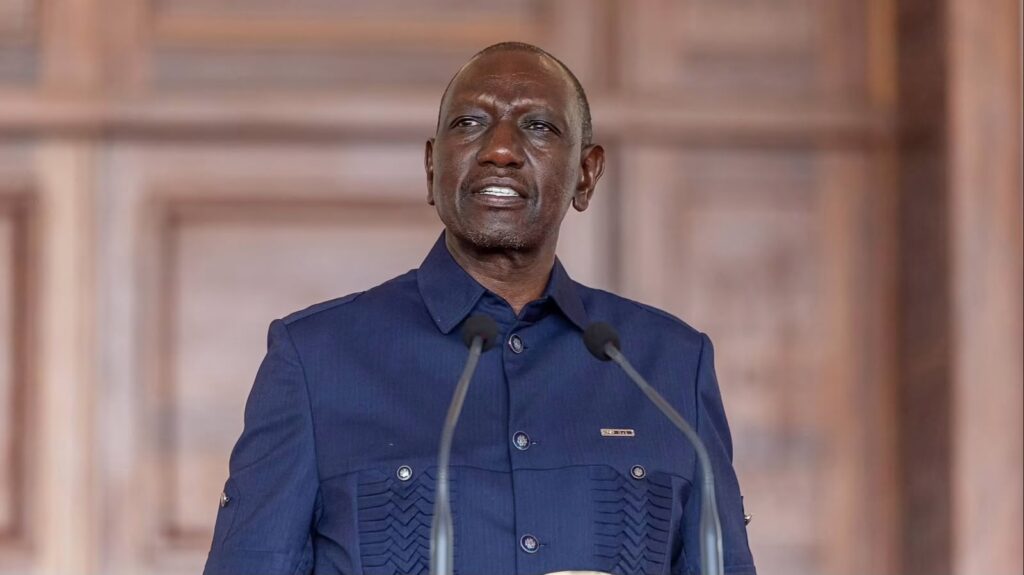
President William Ruto has revealed that the European Union (EU) has committed €20 million (approximately KSh 3 billion) to strengthen the operational capabilities of the Kenya Defence Forces (KDF).
The President said the funding, provided through the European Peace Facility (EPF), would boost Kenya’s military capacity as the country seeks to strengthen security and respond to emerging threats in the region.
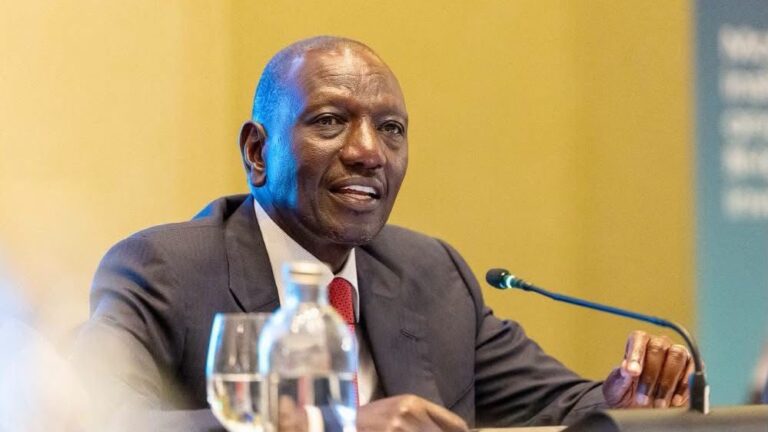
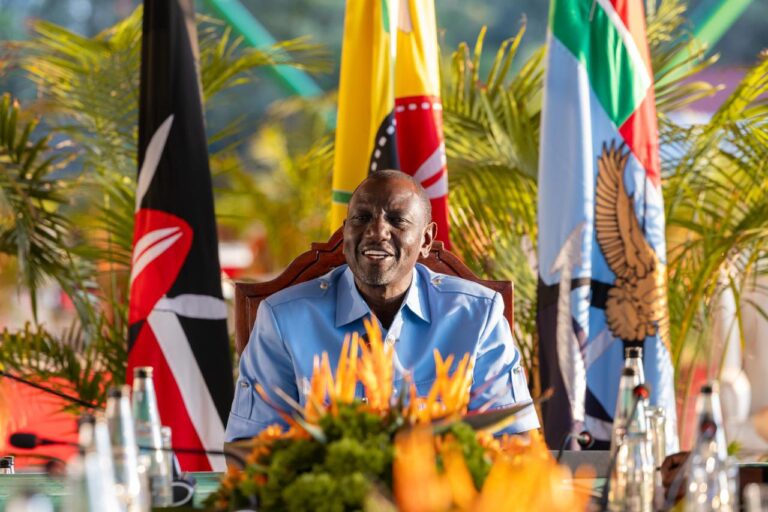
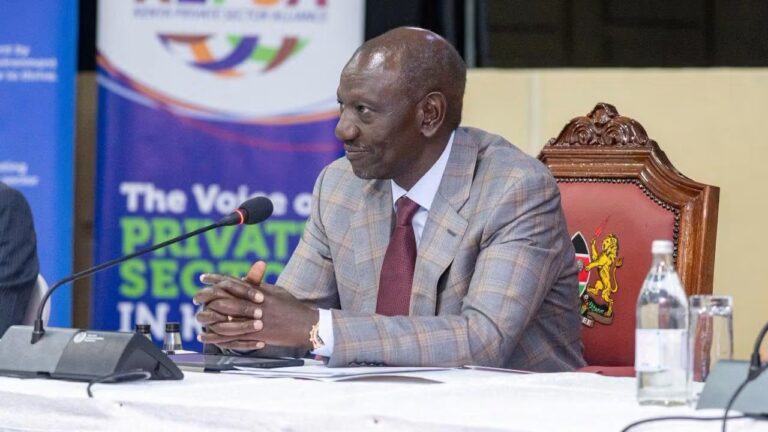
Speaking at State House, Nairobi, on Thursday, November 12, 2026, during a meeting with heads of European Union delegations to African countries, Ruto welcomed the commitment and said Kenya was looking forward to its delivery by the end of the year.
“We also appreciate the EU’s €20 million commitment through the European Peace Facility to strengthen the Kenya Defence Forces’ operational capabilities, and look forward to its delivery by the end of the year,” Ruto stated.
The support is part of growing security and defence cooperation between Kenya and the European Union as the two sides mark 50 years of diplomatic relations.
According to the EU, the assistance is intended to strengthen the KDF’s ability to protect Kenya’s territorial integrity and sovereignty, secure border areas and counter security threats, particularly increased operations by al-Shabaab along the Kenya-Somalia border.
In a development highlighting the implementation of the package, the EU announced on November 4 that it had handed over the first deliveries of non-lethal military equipment to the Kenya Navy at Mtongwe in Mombasa.
The equipment included diving and search-and-rescue equipment intended to strengthen the Navy’s ability to secure Kenya’s territorial waters, protect maritime shipping lanes and safeguard the blue economy.
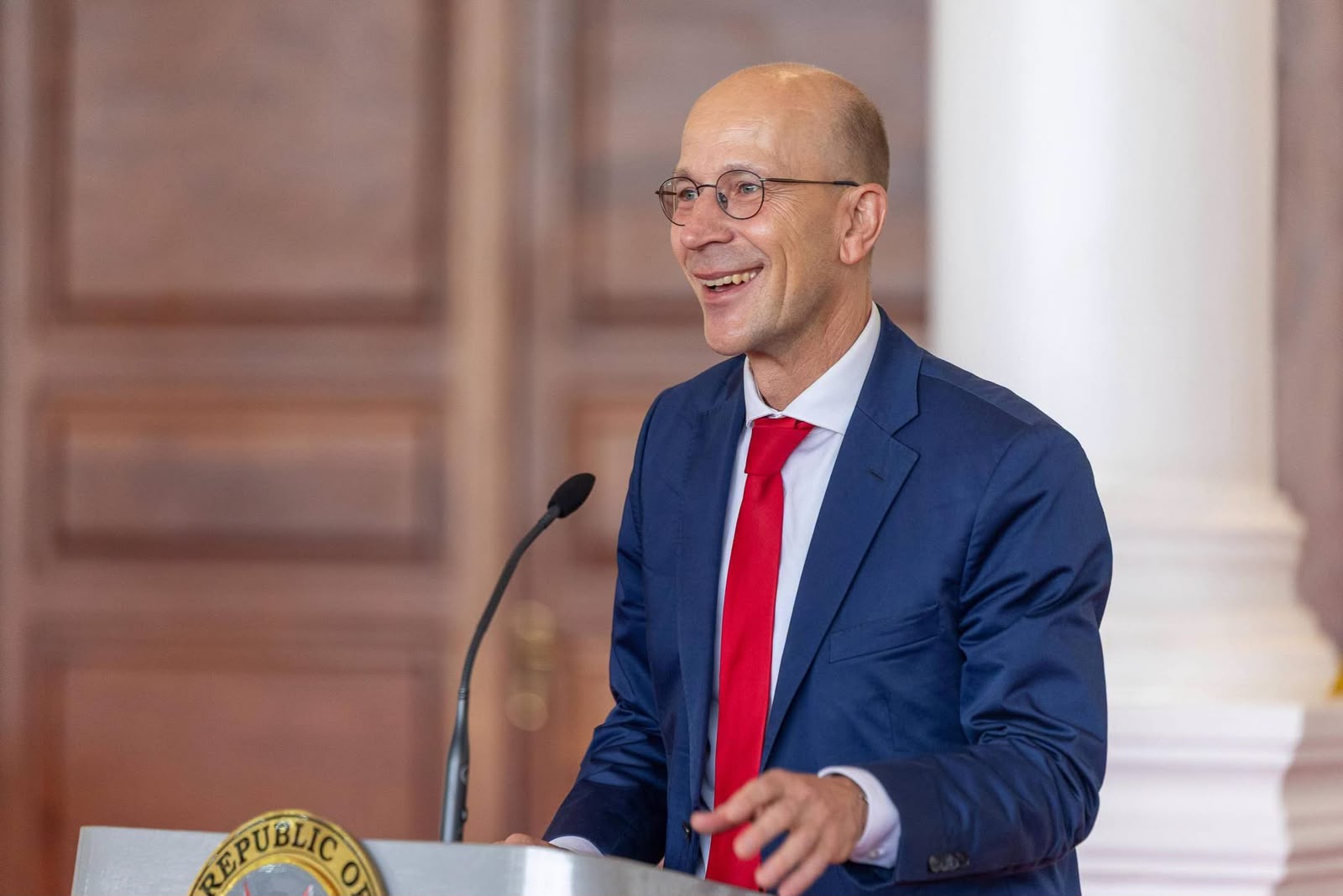
The handover ceremony was attended by Kenya Navy Commander Major General Paul Owuor Otieno, EU Ambassador to Kenya Andreas Peschke and European External Action Service Acting Managing Director for Peace, Security and Defence Maciej Stadejek.
Stadejek described the handover as evidence of the progress made in defence cooperation between the two sides.
“As we celebrate 50 years of EU-Kenya partnership, today we handed over the first deliveries of KSh 3 billion in non-lethal equipment financed by the European Peace Facility. This is the EU-Kenya Strategic Dialogue in action, and a direct sign of how far our security and defence cooperation has come,” he said.
The assistance also extends beyond maritime security, with the original EU-approved package providing for equipment, supplies, services and technical training to support different KDF units.
In June 2024, the Council of the European Union formally adopted the €20 million assistance measure, making it the first European Peace Facility support package specifically for the Kenya Defence Forces.
The approved assistance covered tactical unmanned aerial vehicles, non-lethal interceptors and jammers, systems designed to defeat improvised explosive devices, electronic warfare equipment, military vehicles and a mobile medical post for Kenya Army units.
For the Kenya Navy, the package included night-vision goggles, life vests and personal protective equipment for naval marine units.


The EU said the assistance would also contribute to countering increased al-Shabaab operations along the border with Somalia.
Beyond the bilateral military assistance, Ruto called on the European Union to sustain and, where possible, increase its financial support for African Union-led security operations in Somalia.
The President noted that the EU had approved an additional €75 million in April 2026 to support the African Union Support and Stabilisation Mission in Somalia (AUSSOM), bringing its total contribution to successive AU-led missions in the country to nearly €2.8 billion since 2007.
“Kenya appreciates the EU’s longstanding support for African Union-led missions, including the additional €75 million approved in April 2026 for missions in Somalia, bringing total support to nearly €2.8 billion since 2007,” he said.
However, Ruto warned that AUSSOM continued to face serious financial and operational constraints, which could undermine its ability to execute its mandate.
“Yet the African Union Support and Stabilisation Mission in Somalia faces serious financial and operational constraints. Sustained and, where possible, increased EU support remains essential for aviation, logistics, troop sustenance, medical services and equipment,” he added.
The EU’s April funding approval was intended to strengthen AUSSOM’s operational readiness and ability to protect civilians in areas affected by al-Shabaab and other terrorist groups.
The additional €75 million was also expected to cater for troop allowances, non-lethal equipment and related services.
Ruto further called for increased European technical assistance and cooperation in maritime security, intelligence-sharing and counterterrorism operations across the Red Sea and the Horn of Africa.
He disclosed that Kenya was strengthening its preventive diplomacy and peacebuilding efforts through a Stabilisation and Mediation Unit within the State Department for Foreign Affairs.
The President said closer cooperation with the EU would complement Kenya’s regional security initiatives and efforts to promote stability.
The latest engagement comes as Kenya and the EU seek to elevate their relationship into a comprehensive strategic partnership covering trade, investment, development, governance, technology, climate action, peace and security.
Ruto said the partnership should produce tangible results through increased investments, stronger institutions and improved security. He added that Kenya remained committed to working with European partners to strengthen regional peace and stability.
