

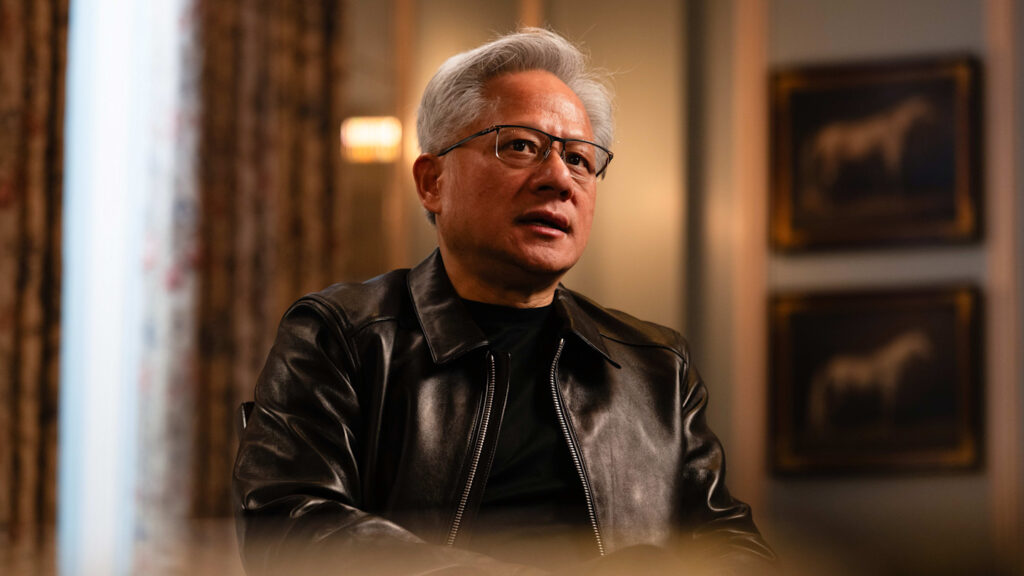
Jensen Huang, the co-founder and longtime chief executive who transformed Nvidia into the world’s most valuable chipmaker and the central engine of the artificial intelligence boom, has resigned effective immediately, the company’s board of directors announced Thursday.
The resignation follows an independent investigation into whether Huang, 63, was targeted by a foreign intelligence operation, amid reports of extramarital affairs, including one with a woman U.S. authorities suspect of spying for Beijing.
Chief Financial Officer Colette Kress has been appointed interim CEO, and former Synopsys chief executive Harvey C. Jones has been named the company’s first-ever board chair.
The board said it has initiated a search for a permanent CEO and will consider both internal and external candidates. Nvidia did not specify a reason for Huang’s departure in its statement, but the move caps a stunning fall for an executive who had become the public face of the AI revolution.
Huang co-founded Nvidia in 1993 and led it for 33 years, building the company from a graphics-card maker for gamers into a $4 trillion juggernaut whose chips power the majority of advanced AI systems worldwide.
His signature leather jackets and rock-star appearances at industry events made him a celebrity in the tech world, particularly in Taiwan and South Korea, where fans would mob him for autographs.
The crisis began earlier this month when reports surfaced about Huang’s relationship with Alice Huang, a former executive at Singapore-based cloud company Megaspeed.
U.S. authorities have concluded that Alice Huang, who is not related to Jensen Huang, was a Chinese intelligence asset, according to multiple reports. Photographs of the two together in Taiwan, Singapore, and California circulated in the media. Beijing has denied that Alice Huang is a spy.
On Nov. 8, Huang acknowledged being unfaithful to his wife in an internal message to employees and pledged to cooperate with an independent investigation launched by the board. At the time, directors expressed confidence in Huang and said they had no reason to believe U.S. national security or company secrets had been compromised.
The controversy escalated on Wednesday when The New York Times reported that Huang had a second extramarital affair with Kimberly Powell, Nvidia’s vice president of healthcare, who reported directly to him.

The Wall Street Journal subsequently reported that the board was meeting to decide Huang’s fate. The board had retained former acting U.S. Attorney Joon H. Kim and the law firm Wachtell, Lipton, Rosen & Katz to lead the investigation.
 Who is Alice Huang? The Woman at the Centre of Nvidia CEO Jensen Huang Intelligence Allegations
 Russia Confirms Sudden Death of Ambassador to US Alexander Darchiev
 Six Dead, 15 Injured After Gunman Opens Fire in Poland’s Krakow
 Paraguay President Quits as Ruling Party Withdraws Support Amid Banking Scandal
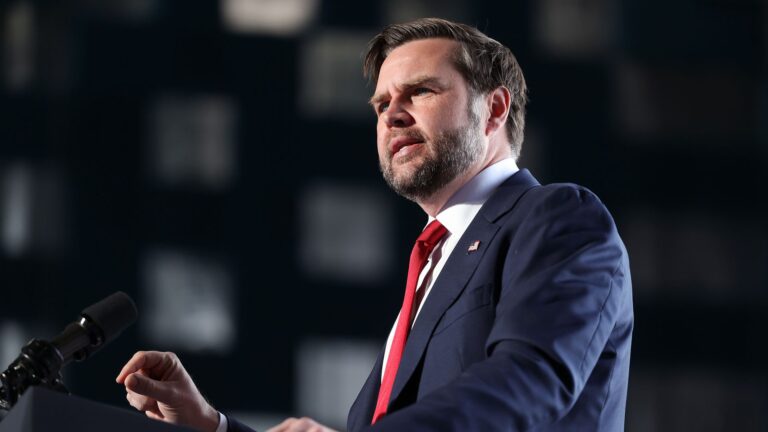

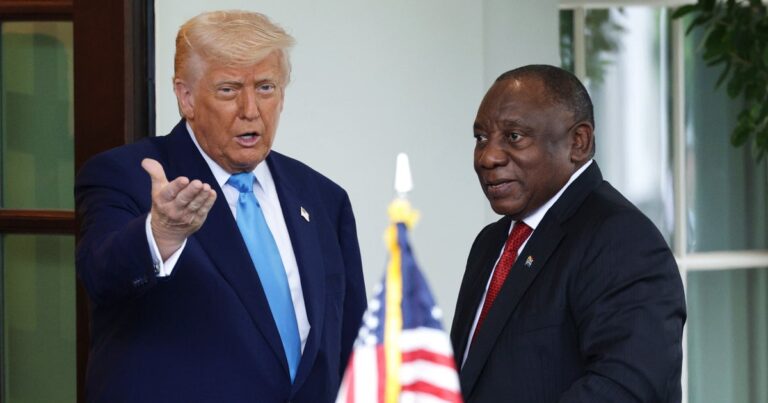





Huang’s departure sent shockwaves through financial markets. Nvidia shares fell more than 10% in premarket trading Thursday, dragging down broader indices and raising questions about the future of the AI trade that Huang had championed.
“The risk is not that Nvidia suddenly loses its technology roadmap … that roadmap is largely visible for the next several years. The risk is execution,” said Michael Feldman, portfolio manager at ClearBridge Investments. “Jensen has been the chief conductor of an extraordinarily complex system. In a world with real bottlenecks, that coordination is a competitive advantage in itself.”
Some analysts, however, drew parallels to Apple’s transition after Steve Jobs. Dan Niles, founder of Niles Investment Management, told Yahoo Finance that Huang had built a strong bench of talent and that Nvidia’s next-generation product pipeline would sustain the company. “Did Apple collapse?” he asked rhetorically.
Jones, the new board chair, sought to project continuity. “Colette has helped lead NVIDIA through a period of extraordinary growth and has a deep understanding of our business, customers, operations and financial position,” he said. “The Board has full confidence in Colette and the leadership team, and we expect the company’s operations, customer commitments and product roadmap to continue without interruption.”
Kress, who joined Nvidia in 2013 after finance roles at Cisco and Microsoft, pledged to build on Huang’s legacy. “NVIDIA’s strength has always come from its people, and together with our leadership team, I am committed to building on the extraordinary foundation Jensen created over the last 33 years,” she said.
Huang’s resignation exposes a glaring absence of a succession plan at a company he ran with an unusually tight grip. He reportedly received direct reports from roughly 60 senior executives and had publicly expressed skepticism about traditional management succession processes.
His departure leaves Nvidia without its most visible advocate at a delicate moment for U.S.-China technology policy; Huang had maintained close ties with President Donald Trump and lobbied for continued access to the Chinese market, which is now uncertain.
Among potential permanent successors, internal candidates include Ian Buck, the vice president who pioneered the CUDA platform and now oversees data center operations, and external names such as Apple’s Johny Srouji have circulated in industry speculation. Lisa Su, Huang’s distant relative and the CEO of rival AMD, has also been mentioned, though her competitive position and family ties complicate that possibility.
The board is expected to face pressure from investors seeking clarity on the investigation’s findings and the company’s strategic direction. Nvidia is scheduled to report third-quarter fiscal 2027 earnings on Nov. 17, which will now serve as an early test of Kress’s interim leadership.
Huang, who remains Nvidia’s fourth-largest investor with a stake of approximately 3.61%, will not retain a board seat. The company thanked him for his contributions but did not elaborate on the circumstances of his exit.
