

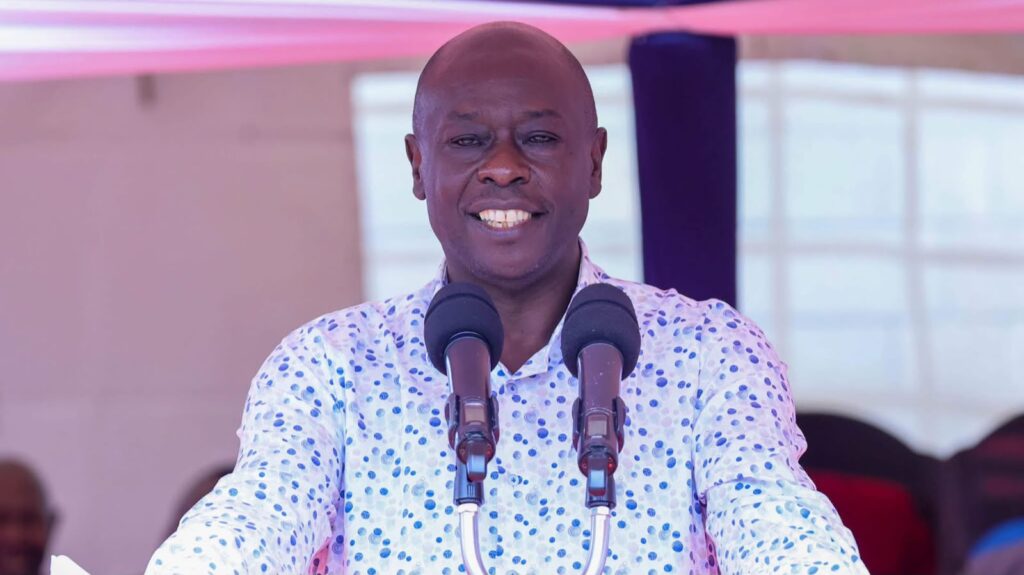
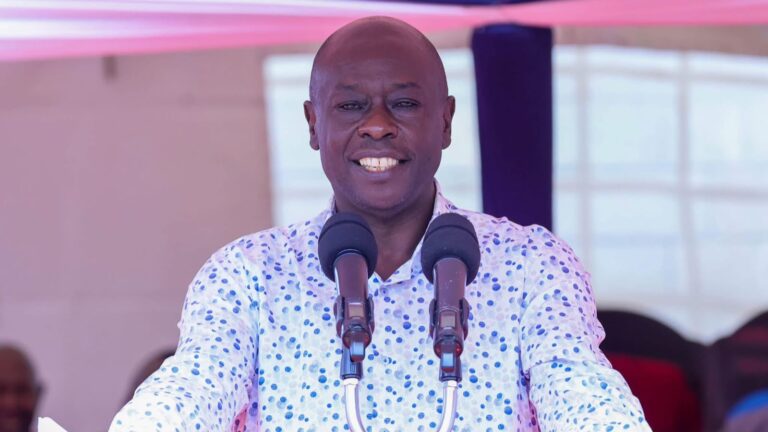
Former Deputy President Rigathi Gachagua has been identified as the politician most frequently blamed for disagreements among opposition leaders, according to a new opinion poll by TIFA Research.
The survey found that 43 per cent of supporters of opposition candidates attributed the divisions within the opposition to the Democracy for the Citizens Party (DCP) leader.
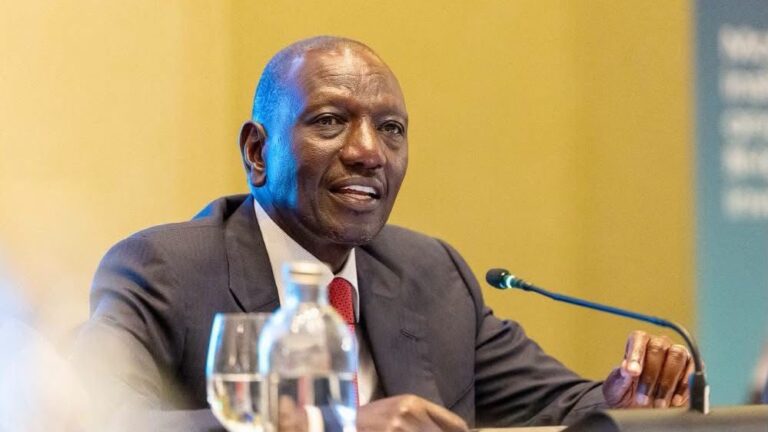
President William Ruto and the ruling United Democratic Alliance (UDA) government came second, with 15 per cent of opposition supporters holding them responsible for the disagreements.
Nairobi Senator Edwin Sifuna was mentioned by seven per cent of respondents, followed by Wiper leader Kalonzo Musyoka at six per cent.
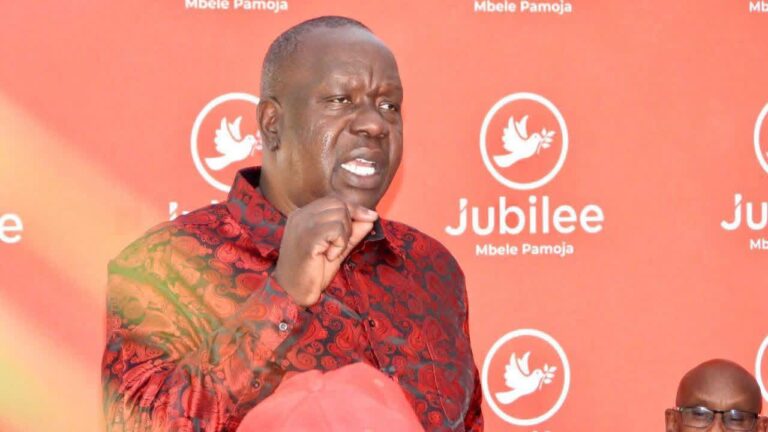
Former Interior Cabinet Secretary Fred Matiang’i and Embakasi East MP Babu Owino each received four per cent.
Former President Uhuru Kenyatta, Siaya Governor James Orengo and Kiharu MP Ndindi Nyoro were each mentioned by two per cent, while Trans Nzoia Governor George Natembeya recorded one per cent.
The findings were based on responses from 758 supporters of opposition candidates.
In its analysis, TIFA described Gachagua as the principal figure perceived to be responsible for the disagreements, noting that 43 per cent of opposition supporters attributed the divisions to him.
The research firm also observed that the 15 per cent who blamed Ruto and the UDA government could reflect perceptions that the administration was benefiting from, or potentially influencing, disagreements among opposition leaders.
“The relatively low attribution to other opposition leaders suggests that responsibility is largely perceived to rest with Gachagua rather than being shared across the opposition leadership,” TIFA stated.
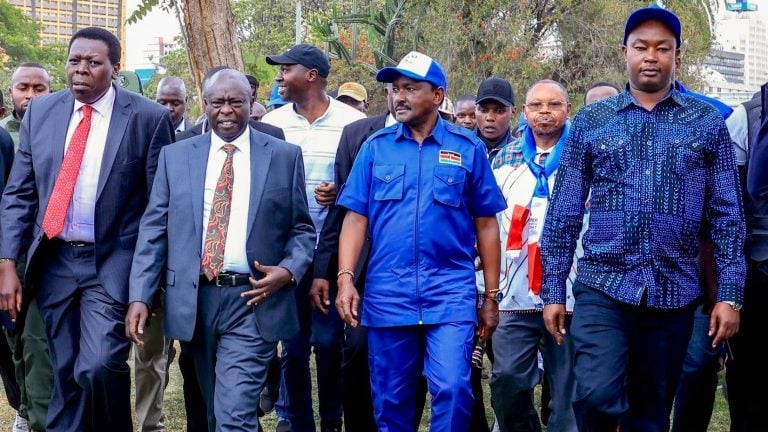
The findings come as opposition leaders and political parties continue to navigate competing interests and discussions over a possible joint presidential ticket ahead of the 2027 General Election.
Despite the disagreements, the survey found that a majority of opposition supporters believed the various political formations could still unite before the next General Election.
Asked how likely it was that the Linda Mwananchi and Ukombozi opposition leaders would unite ahead of the 2027 polls, 57 per cent said it was very likely.


Another 22 per cent considered unity somewhat likely, bringing the proportion who saw a possibility of the opposition coming together to 79 per cent.
However, 8 per cent said unity was not very likely, while seven per cent considered it not likely at all. A further six per cent were unsure.
The findings suggest that although opposition supporters recognise disagreements among their leaders, most still consider a joint political arrangement possible.
The poll also examined when opposition supporters wanted their leaders to announce a joint presidential candidate and running mate.
A plurality of 45 per cent preferred the announcement to be made between January and March 2027.
Another 35 per cent wanted the opposition to settle on its presidential ticket before the end of 2026, while 16 per cent preferred the announcement to be delayed until April to June 2027. Three per cent were unsure.
TIFA noted that announcing a joint ticket early could give the opposition more time to mobilise support and manage dissatisfaction among leaders who might not secure positions.
However, an early announcement could also expose the selected candidate to political attacks and cause public excitement around the ticket to fade before the election.
The pollster further observed that the process used to select the joint candidate, and whether those left out accept the outcome, would be important to the prospects of opposition unity.
The survey was conducted between October 26 and November 5, 2026, through household, face-to-face interviews with 2,036 randomly selected Kenyan adults aged 18 and above across all 47 counties.
TIFA said the national survey had a margin of error of plus or minus 2.16 percentage points, with larger margins applying to sub-groups.
