

Vodacom Group has confirmed it will reverse its acquisition of a 15% stake in Safaricom and recover the purchase price if its ongoing legal appeal fails, marking a significant retreat from its ambitions to consolidate East Africa’s largest telecommunications operator.
The South African telecommunications giant is appealing a September 2026 ruling by Kenya’s High Court, which declared the government’s sale of the stake to Vodacom unconstitutional, null and void. The court ordered the shares returned to the Kenyan government, placing Vodacom’s controlling 55% interest in Safaricom in legal limbo.
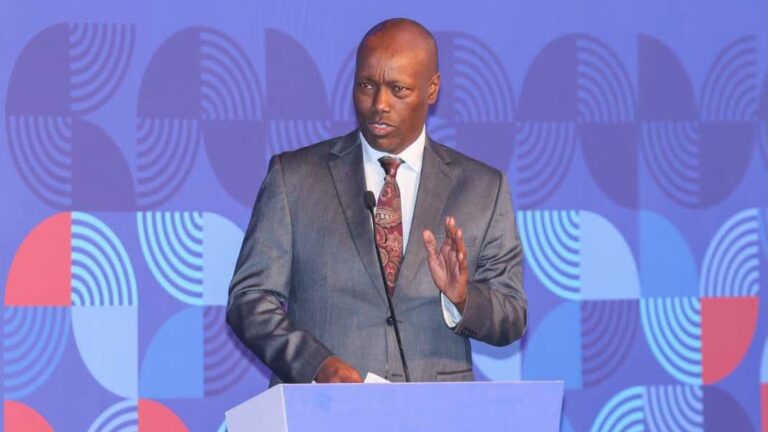
Speaking during the announcement of the group’s half-year results, Vodacom Group CEO Shameel Joosub expressed confidence in the appeal but outlined a contingency plan if the court rules against the company.
“We remain confident of winning the appeal but would reconsider the deal with the Kenyan government if the court ruled against it,” Joosub said, maintaining that the transaction followed due process, including public consultations and regulatory approvals.
Vodacom Group CFO Raisibe Morathi explained that reversing the transaction would involve returning the acquired shares, recovering the purchase funds and repaying the debt raised to finance the acquisition. She noted that the company’s debt facilities allow for early settlement without significant complications.
Vodacom also clarified that the separate 5% stake acquired from Vodafone would not be affected by the court proceedings. This means that even if the contested 15% acquisition is overturned, Vodacom would retain its previous 40% ownership in Safaricom, reverting from a controlling subsidiary to an associate.
The dispute stems from a Ksh204.3 billion (approximately $1.6 billion) transaction completed on June 30, 2026, in which Vodacom acquired a 15% stake from the Kenyan government, increasing its effective interest from 35% to 55%.
However, on September 15, a three-judge High Court bench ruled that the divestiture violated public finance management laws and failed to comply with constitutional requirements for public participation.
“The divestiture in question was undertaken and procured in contravention of the constitution and the law. It was therefore invalid, null, and void,” the judges stated, ordering that “the 15% shares are hereby restored to the government of Kenya”.
The court further noted that transferring control of a strategic asset to a foreign shareholder threatened national security and that critical transactional documents had not been disclosed for public scrutiny.





Following the ruling, Vodacom immediately lodged an appeal. On October 13, the Court of Appeal in Nairobi ordered that the status quo be maintained pending an expedited appeal, allowing Vodacom to remain the registered holder of the shares while the purchase money is held by the Kenyan government.
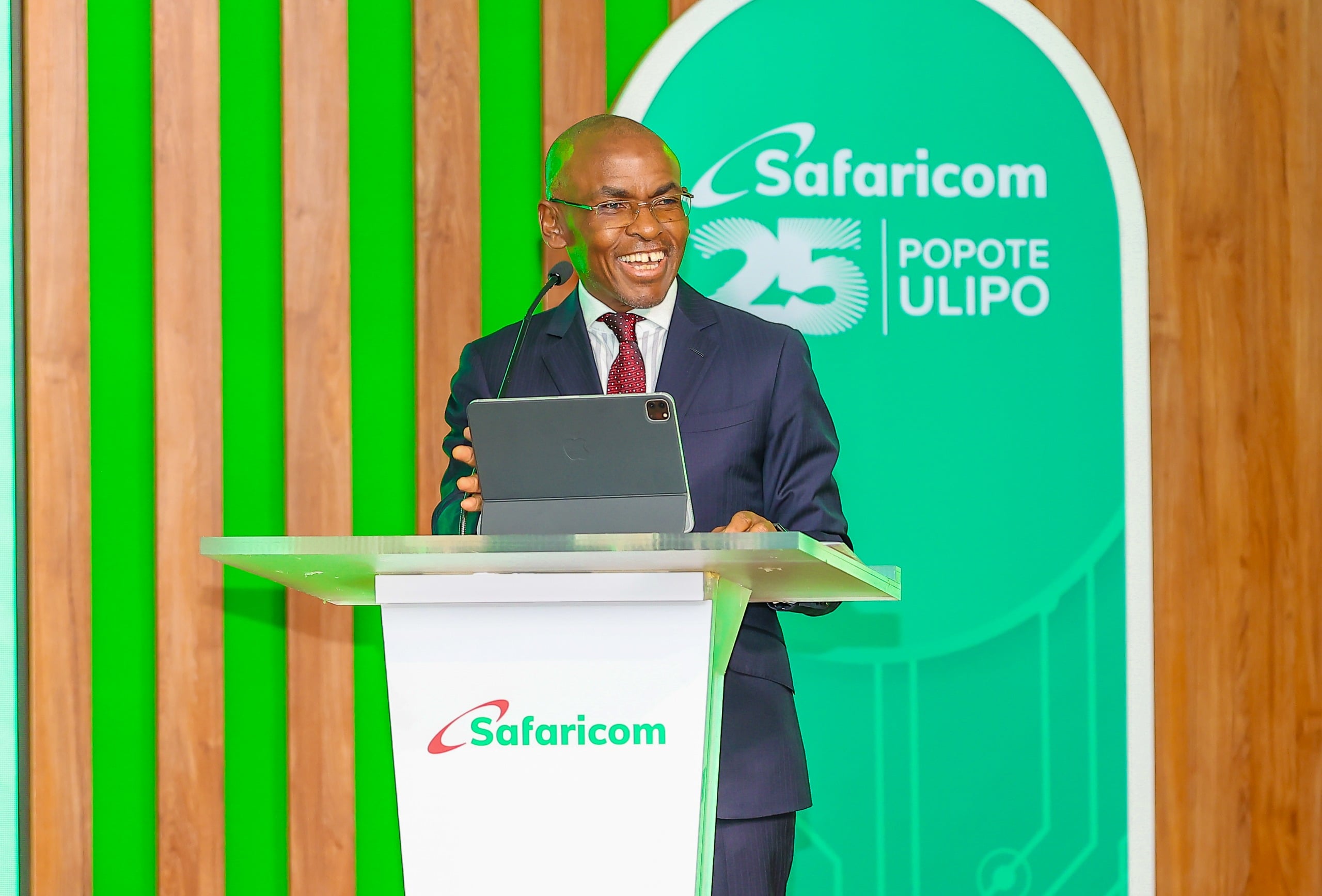
The legal dispute highlights Safaricom’s strategic importance to Kenya’s telecommunications and financial sectors. The company controls 65.7% of the Kenyan mobile market and operates M-Pesa, one of Africa’s largest mobile money platforms, which generated Ksh100.1 billion in revenue during its half-year period, representing a 13.6% increase.
Vodacom’s acquisition was driven by its ambition to consolidate Safaricom’s financial performance and integrate M-Pesa into its broader African financial technology strategy. The consolidation significantly boosted Vodacom’s reported results, with group revenue rising 25.6% to R102.5 billion and financial services revenue nearly doubling.
The transaction has also created financial implications for the Kenyan government. The National Treasury had already received and budgeted the proceeds from the sale, using the funds to address fiscal pressures and finance infrastructure plans.
If the appeal fails and the deal is reversed, Kenya may be required to refund approximately $1.9 billion, presenting a significant financial challenge amid pressure on the country’s foreign exchange reserves.
Vodacom’s interim results, released on November 9, highlighted the financial impact of the consolidation, with headline earnings per share rising 25.7%. However, the legal uncertainty continues to affect the company’s plans.
The company confirmed it would return to the Court of Appeal to set a hearing date, with the matter expected to be heard before the end of the year.
If the appeal succeeds, Vodacom will secure its controlling stake in Safaricom. If it fails, the unwinding process will begin, and Safaricom will revert to an associate investment on Vodacom’s balance sheet, removing the revenue and profit consolidation that has contributed to the group’s recent growth.
