

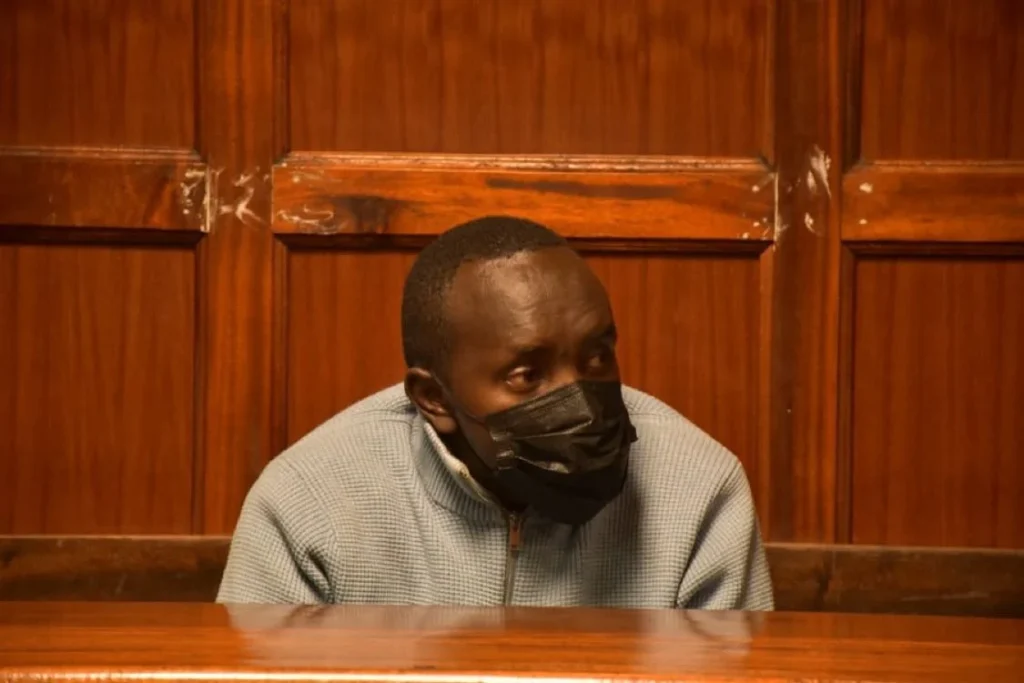
A Nairobi magistrate’s court has ordered the extradition of Brian Kiprop Kiplagat to the United Kingdom, where he is wanted to stand trial for the murder of his girlfriend, Kenyan national Marianne Kilonzi, whose body was found in her London apartment in January 2025.
Principal Magistrate Carolyne Mugo ruled on Thursday that the legal requirements for surrender had been satisfied under Kenya’s Extradition (Commonwealth Countries) Act, committing Kiplagat to custody pending his transfer to British authorities after a 15-day appeal window.
Kiplagat is facing eight counts in the UK, including murder, manslaughter, two counts of perverting the course of justice and four counts of fraud by false representation. The charges stem from the death of Kilonzi, a 43-year-old former Citibank executive whose body was discovered at her flat in Woolwich, south-east London, on or about January 13, 2025. A post-mortem examination concluded she died from blunt force trauma to the head.
In her determination, Magistrate Mugo emphasised that the proceedings were not a criminal trial and that the court’s role was limited to assessing whether there was a sufficient evidential connection between Kiplagat and the alleged offences.
“I do agree with the respondent (Brian) to the extent that the court must examine the material placed before it and cannot simply accept the allegations with the extradition request as established fact,” Mugo observed. “Equally, I do agree with the applicant (DPP) that the court must be careful not to convert extradition proceedings into a criminal trial.”
She concluded that the evidence presented by the prosecution established a sufficient connection between Kiplagat and the alleged offences to justify his extradition.
“Having considered the material presented in support of the request, I am satisfied that the evidence discloses a sufficient nexus between the respondent and the alleged criminal conduct to warrant his trial in the requesting state.”

The prosecution, led by Senior Assistant Director of Public Prosecutions Duncan Ondimu, presented evidence allegedly linking Kiplagat to the crime. This included fingerprint analysis from items at the scene, financial records showing transfers from Kilonzi’s accounts, telephone data placing his phone near the victim’s on the day of her death, and CCTV footage tracking his movements from the apartment complex to Heathrow Airport, where he boarded a flight to Nairobi.
Kiplagat opposed the extradition, questioning the reliability of the forensic evidence, communication data and financial inferences. However, the magistrate held that such disputes were matters for the eventual trial in the UK.
The case began when Kilonzi, who had worked at Citi for more than 18 years before transferring to London in 2023, was found dead in her flat at the Royal Arsenal Riverside development after concerns were raised about her welfare.
According to extradition documents, Kiplagat and Kilonzi began a relationship in January 2024 after meeting on WhatsApp. By September that year, Kiplagat had reportedly moved into her London residence. The relationship later broke down, and Kilonzi was allegedly murdered in January 2025.






The allegations of perverting the course of justice relate to claims that Kiplagat placed laundry beads on Kilonzi’s body and removed her mobile phone from the residence. The fraud charges concern alleged unauthorised transfers from her bank accounts to accounts held by him, as well as the unlawful use of her credit card.
Kiplagat left the UK on the day of the alleged murder and returned to Kenya. He remained at large for over a year until he was intercepted on June 10, 2026, at the Namanga border post while attempting to cross into Tanzania using a temporary travel permit.
Prosecutors told the court that he had no fixed address in Kenya and was found in possession of multiple travel documents, some suspected to have been fraudulently obtained.
The UK formally submitted its extradition request to Kenya on April 17, 2026. Westminster Magistrates’ Court had issued two arrest warrants against Kiplagat on March 28, 2025, and March 11, 2026.
The Nairobi court has directed that the warrant of arrest issued by Westminster Magistrates’ Court be endorsed and ordered the investigating officer to prepare an inventory of items to be surrendered.
It also issued directions regarding Kiplagat’s identification documents and ensured he would have access to medical treatment while in custody.
Kiplagat retains the right to appeal the decision within 15 days. If no appeal is filed or an appeal fails, he will be surrendered to UK authorities to face trial.
The magistrate emphasised that the extradition decision should not be interpreted as a finding that Kiplagat committed the offences, maintaining that his criminal responsibility would be determined by the courts in the United Kingdom.
If convicted of murder in the UK, Kiplagat would face a mandatory life sentence.
