

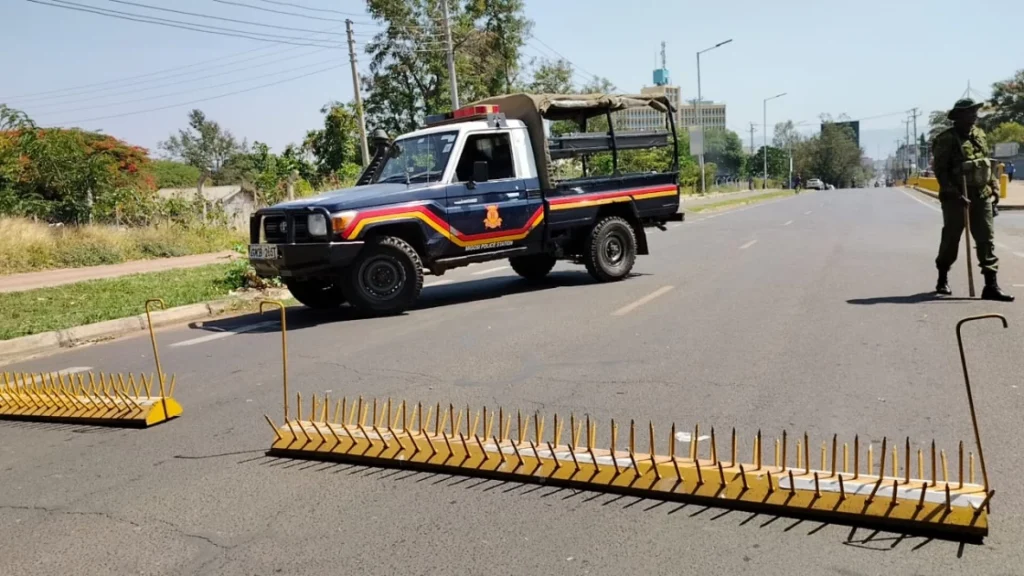
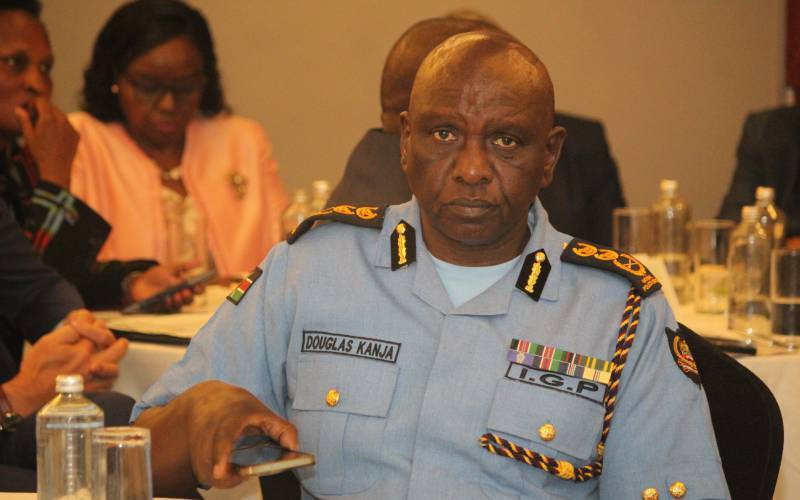
Inspector General of Police Douglas Kanja has directed police commanders across the country to launch an intensified enforcement operation targeting speeding motorists, drunk drivers and unroadworthy vehicles as Kenya enters the high-risk festive travel season.
The directive, issued Saturday during a joint prayer service at Holy Family Minor Basilica in Nairobi, comes against the backdrop of a growing road safety crisis that has seen nearly 4,000 fatalities recorded in the first nine months of 2026 alone.
“As we move into the final weeks of the year, we anticipate increased road traffic and heightened commercial activities; we expect you to curtail drunkenness and dangerous driving, speeding, overloading and unroadworthy motor vehicles and motorcycles,” Kanja directed the assembled officers.
The police chief said the operation would be coordinated through a multi-agency framework involving the National Transport and Safety Authority (NTSA) and other security agencies.
He warned that the coming weeks traditionally bring increased commercial activity and road traffic, factors that have historically been associated with a rise in fatal crashes.
Kanja also urged all road users to exercise caution and called on officers to remain prepared to respond to emerging security concerns.
“Motorists, pedestrians and all road users must take due care while using our roads,” Kanja added. “I urge the officers to remain alert, adequately prepared and responsive to emerging security concerns”.
The directive follows growing concern over the scale of road fatalities in Kenya. According to NTSA data, 3,995 people died in road crashes between January 1 and October 4, 2026, representing a 9.2 per cent increase compared to the 3,657 fatalities recorded during the same period in 2025.
The October 25 crash near Mtito Andei along the Nairobi-Mombasa highway, which claimed 24 lives when a passenger bus and a trailer collided head-on, highlighted the dangers facing motorists on the country’s major transport corridors.
Just weeks earlier, 17 people, most of them Catholic pilgrims, died in a multi-vehicle collision near Salama.
 IG Kanja Orders More Police to Moyale Amid Deadly Ethiopia Border Clashes
 Senate Turns Up Pressure on Murkomen and Kanja Over Rising Abductions in Kenya
 Senate Assesses Police, Media and Security Agencies’ Preparedness for 2027 Elections
 Rights Groups Sue Kenya’s Security Chiefs Over Political Violence Ahead of 2027 Polls
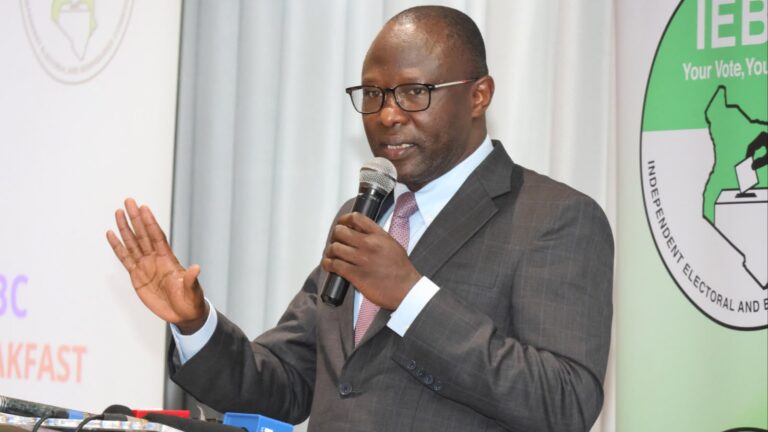

NTSA Director General Nashon Kondiwa has publicly advocated for road traffic accidents to be declared a national disaster, citing approximately 20,000 crashes annually that claim more than 5,000 lives and cost the economy an estimated Ksh450 billion each year, equivalent to roughly 5 per cent of Kenya’s Gross Domestic Product.
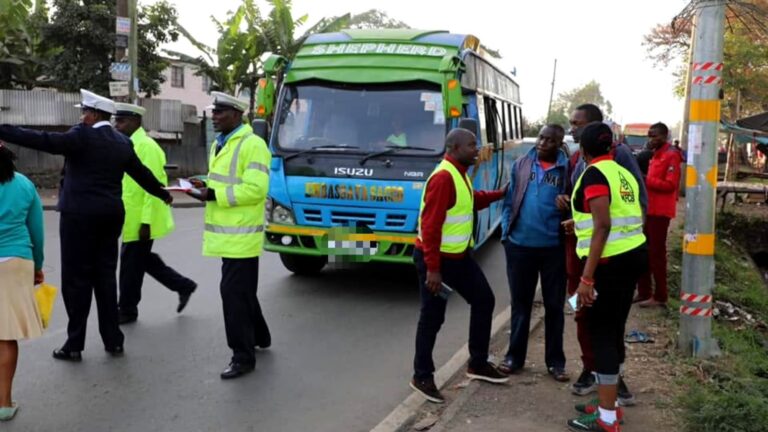
The police operation will complement NTSA’s ongoing “Msimu Bila Ajali, Usalama Barabarani” campaign, which was launched in late October and focuses on evening and late-night patrols, periods when drunk driving and speeding are prevalent.
As part of the campaign, NTSA officers are deploying real-time speed monitoring equipment and inspecting vehicle speed limiters to establish whether they are functioning properly and transmitting data to the Intelligent Road Safety Management System.
The inspections also cover driving licences, passenger manifests, seatbelt compliance and public service vehicle inspection stickers.
Speeding and drunk driving have long been identified as leading contributors to road crashes in Kenya. A 2024 government report noted that 22,958 drivers were arrested for traffic violations between January and February of that year, with the majority cited for speeding and drunk driving.
Academic research on Kenyan crash data has similarly found that human factors, including excessive speed, misjudgment, improper overtaking and alcohol consumption, account for approximately 85 per cent of crashes.
Kanja was appointed Inspector General of Police in 2024 after serving as Acting IG. He brings nearly four decades of law enforcement experience, having joined the police service in 1985 as a recruit constable.
Before his appointment, he served as Commandant of the General Service Unit (GSU) for five years and as Deputy Inspector General of the Kenya Police Service.
His Saturday directive also included instructions for commanders to strengthen security arrangements around family gatherings and festive activities, noting that increased movement of people during the holiday period would require heightened vigilance beyond traffic enforcement.
