

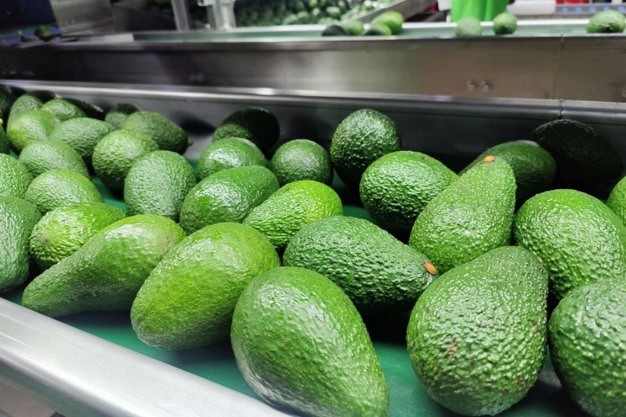
The Agriculture and Food Authority (AFA) has announced the closure of Kenya’s 2026/2027 avocado harvesting season for sea exports, citing low production volumes that are insufficient to support shipments.
In a notice issued to avocado and mango exporters, importers and processors, the authority said the decision followed a countrywide survey conducted by its Horticultural Crops Directorate to assess production patterns across major avocado-growing zones.
“The survey findings are that current production volumes are low and insufficient for sea shipment,” the notice stated.
The closure of the harvesting season for Hass, Fuerte, Pinkerton and Jumbo avocado varieties for sea shipment will take effect on Friday, October 30, 2026. However, exporters will still be allowed to ship the four varieties by air, subject to inspection and clearance by the directorate.
“Export clearance shall be granted subject to inspection by the Directorate. Traceability details will be required for all consignments,” the authority stated.
The closure will also affect avocado oil processors, with AFA directing those holding oil stocks intended for export during the restricted period to seek verification before clearance.
Processors have until Monday, November 2, 2026, to request verification of their stocks through directorhcd@afa.go.ke. “Only oil stocks that have been verified in advance shall be cleared for export,” the notice stated.
The authority also announced the closure of avocado fruit imports intended for oil processing, warning that the restriction was necessary to prevent the harvesting of immature local avocados under the guise of importing fruit.
“The Directorate shall continue to closely monitor Avocado maturity patterns and issue further guidance appropriately,” the notice added.
The measures are intended to regulate harvesting and exports in line with the availability and maturity of the crop during the current season.

Alongside the avocado restrictions, AFA has issued fresh directives to mango exporters, warning against mixing mango consignments with avocados for sea shipment in violation of horticultural regulations.
The authority said some exporters had been mixing the two fruits in consignments following the closure of the avocado harvesting season and sea exports.








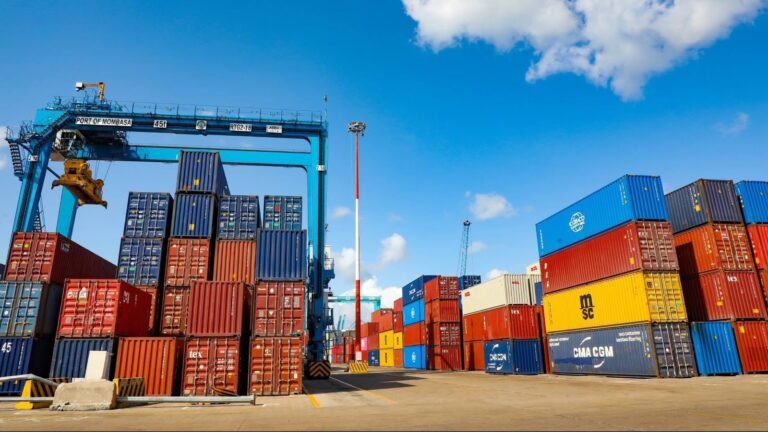
According to AFA, the practice contravenes Section 20(5) of the Crops (Horticultural Crops) Regulations, 2020. The authority directed mango exporters to ensure consignments for which export permits are sought contain mango fruits only.
“All produce for export are required to undergo inspection before an export certificate is issued,” the notice stated.
Exporters have also been instructed to apply for physical inspection of mango consignments through directorhcd@afa.go.ke, clearly indicating the location of the pack house to facilitate the process.
AFA warned that failure to comply with the requirements would result in the denial of export permits for the affected consignments. The authority issued a stern warning to exporters and avocado oil processors against violating the new guidelines, threatening to revoke licences and withhold export permits.
“Any exporter or Avocado oil processor who contravenes these season closure guidelines shall have their export license revoked and permits shall not be issued for export consignments initiated contrary to these guidelines,” the notice stated.
The notice was signed by Callistus Efukho on behalf of the Director General.
The directive comes as the government continues to pursue its agricultural transformation agenda, with a focus on strengthening value chains, improving farmer incomes and promoting sustainable agricultural growth.
Elsewhere, on October 8, President William Ruto engaged farmers, industry players and other stakeholders at the Agriculture and Food Systems Transformation Summit 2026 at the Jamhuri Park ASK Showgrounds in Nairobi.
During the summit, the President reaffirmed the government’s commitment to transforming agriculture through affordable farm inputs, expanded irrigation, value addition and modern technologies.
The government also highlighted initiatives involving digital farmer registration, improved agricultural data systems, agricultural drones and smart farming technologies.
AFA’s participation in the summit was led by Acting Director General Callistus Efukho, alongside members of the authority’s board and management team, as the institution reiterated its role in regulating and promoting key agricultural value chains.
