

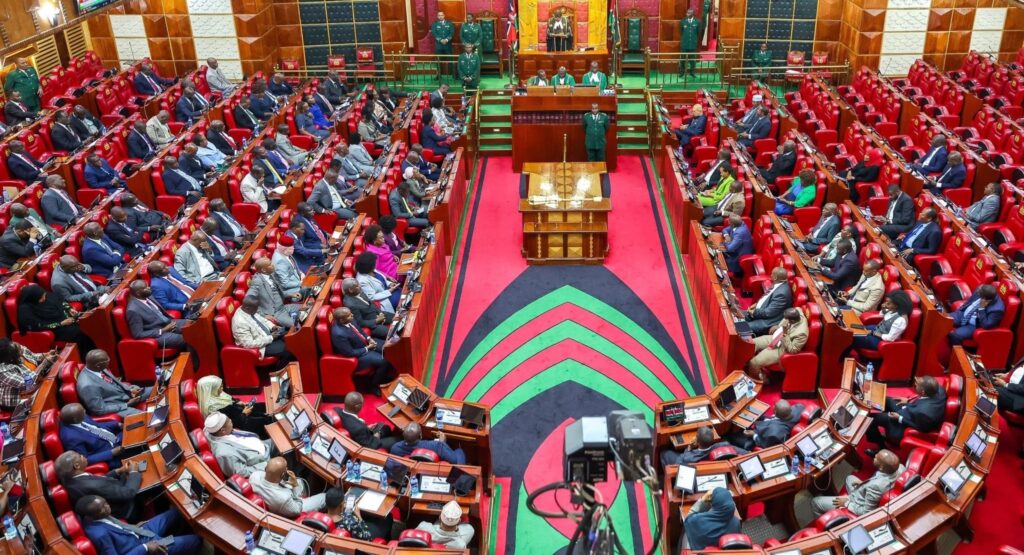
The National Assembly has invited Kenyans to scrutinise and submit views on the government’s proposed Sh5.4 trillion spending plan for the 2027/28 financial year, kicking off a compressed public participation window that must conclude months earlier than usual to avoid coinciding with the August 2027 General Election.
The call for memoranda, issued through a formal parliamentary notice, targets the 2027 Budget Policy Statement (BPS) and the Medium-Term Debt Management Strategy covering 2027/28 through 2029/30. Citizens, civil society organisations and private sector players have until November 20 to submit written views on the fiscal framework that will guide ministerial budget allocations.
“In compliance with Article 118(1)(b) of the Constitution, the Clerk of the National Assembly hereby invites the public and stakeholders to submit memoranda on the 2027 Budget Policy Statement and the Medium-Term Debt Management Strategy,” the notice stated.
The draft framework reveals a government facing competing spending pressures. Total expenditure is projected at Sh5.416 trillion, equivalent to 23.6 per cent of GDP, up from Sh4.819 trillion in the current financial year.
For the first time in Kenya’s history, recurrent expenditure, covering salaries, administrative operations and debt servicing, is projected to cross the Sh4 trillion mark, reaching Sh4.021 trillion. Development spending, by contrast, has been trimmed to Sh915.8 billion, down from an earlier projection of Sh958 billion.
The fiscal deficit stands at Sh1.353 trillion, or 5.9 per cent of GDP. To bridge the gap, the Treasury plans net domestic borrowing of Sh929.1 billion and net external borrowing of Sh423.8 billion, representing a significant increase in the external borrowing share compared with earlier estimates.
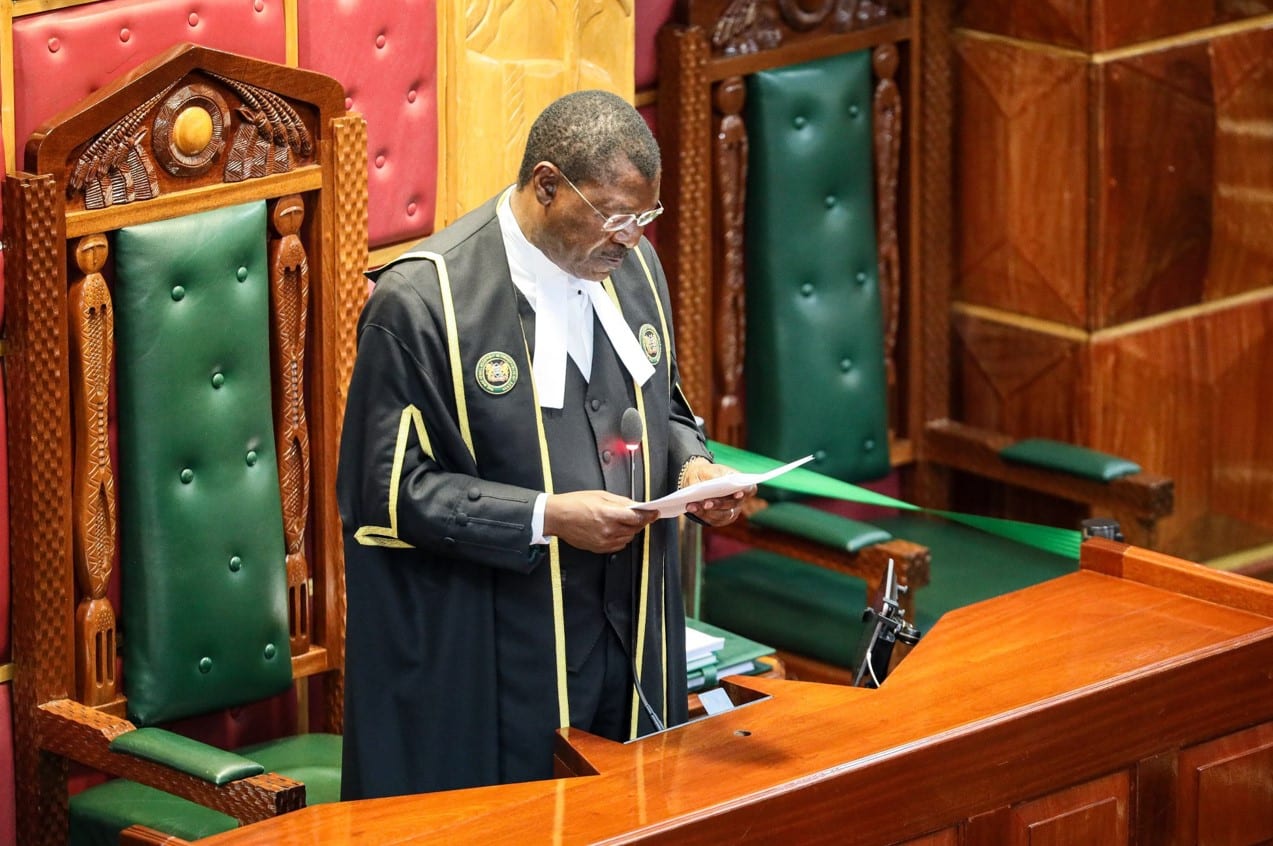
The figures highlight a structural challenge that has drawn mounting public concern, with mandatory spending, including debt repayments, projected to consume approximately 94.9 per cent of ordinary revenue in 2027/28, leaving limited fiscal room for new priorities.
The stakes surrounding public participation have grown following the 2024 Finance Bill protests, led largely by young Kenyans, which forced the government to withdraw the legislation and marked a turning point in how Parliament and the Executive approach fiscal consultation.
National Assembly Majority Leader Kimani Ichung’wah later acknowledged that the unrest was “a learning point for both Parliament and the Executive,” telling NTV that the government had since adopted “more open, transparent and participatory approaches” to budget-making.
The courts have also reinforced the importance of meaningful public participation. In a 2025 ruling overturning Nairobi City County’s Finance Act, the High Court held that public participation must be “meaningful” rather than a “tokenistic consultation aimed at fulfilling a procedural box-ticking exercise,” and that the public must be given accessible information and a genuine opportunity to influence decisions.
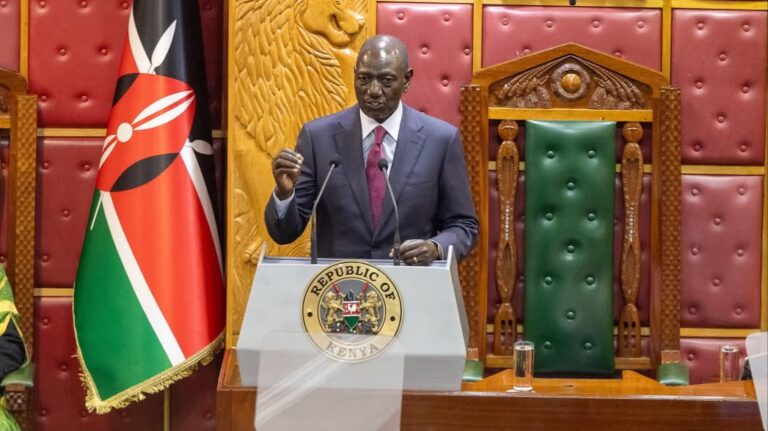




Parliament has also signalled a shift in its consultation methods. Kimani Kuria, chairperson of the National Assembly’s Finance and National Planning Committee, said in April 2025 that the House was exploring recognition of social media feedback as valid public participation, acknowledging that “many aren’t on email, but they are on platforms like WhatsApp”.
“If thousands of comments on a post express dissatisfaction, isn’t that feedback just as valid as someone speaking at a town hall meeting?” Kuria said.
The 2027/28 budget cycle is operating on an accelerated timeline. Public sector hearings on sector budget proposals were held in October 2026, while the draft BPS was expected by late October.
The budget statement is scheduled for March 18, 2027, with both the Appropriations and Finance bills targeted for passage by March 31, three months earlier than the traditional June timeline.
The compressed schedule is designed to prevent electoral politics from disrupting public finance management. However, it has also raised questions about whether meaningful public participation can be sustained under tighter deadlines.
The draft BPS itself notes that public hearings held in October 2026 informed the document’s priorities, suggesting that the Treasury sought input at the sectoral level.
For the National Assembly, the coming weeks will test whether the lessons of 2024 translate into a process that Kenyans consider genuine or whether familiar criticisms of tokenism resurface.
With a Sh1.35 trillion deficit, debt servicing consuming a significant share of government revenue and a General Election approaching, the proposed budget has placed public scrutiny of government spending and borrowing at the centre of the 2027/28 fiscal process.
