


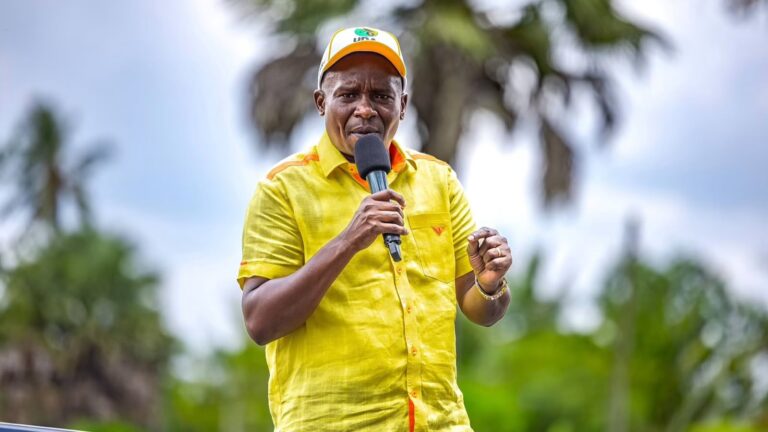
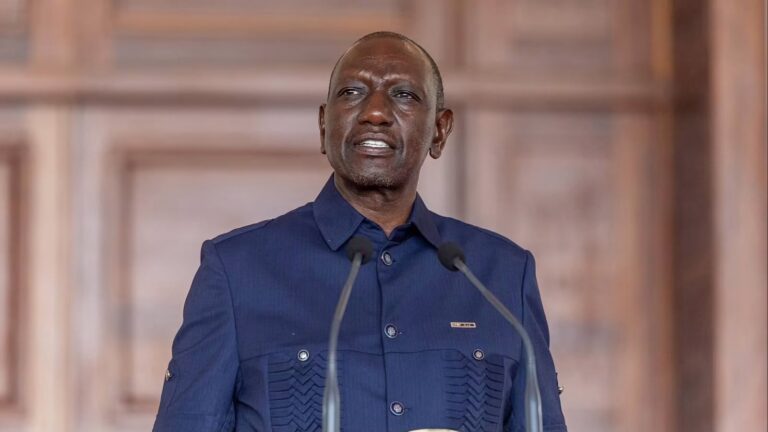
Nairobi Senator Edwin Sifuna has rejected the findings of a recent TIFA Research opinion poll that placed him in a statistical tie with President William Ruto ahead of the 2027 General Election, declaring that any survey attributing more than 10 per cent support to the incumbent is not credible.
Speaking during a radio interview on Thursday, November 19, 2026, the Linda Mwananchi Movement leader questioned the methodology and motives behind the poll, which was released the previous week and showed both Ruto and Sifuna commanding 31 per cent support among respondents.
“Any opinion poll that gives Ruto more than 10 percent support is not a genuine poll. His popularity cannot exceed 10 percent. They have to show us where he would have gotten such popularity from,” Sifuna said during the interview on Radio Citizen.
The senator argued that the President’s standing among Kenyans had deteriorated sharply because of what he described as a pattern of unfulfilled campaign promises and an administration that had lost touch with ordinary citizens.
“First of all, Kenyans say this man is a liar who made promises he has failed to fulfil. When he took office, he assumed power as if he was now the boss of the people, forgetting that the people are his bosses,” Sifuna stated.
The survey, conducted between October 26 and November 5, 2026, through face-to-face household interviews with a nationally representative sample of 2,036 respondents, attracted attention across Kenya’s political landscape when it was released on November 12.
According to the findings, Ruto’s support had grown from 18 per cent in August 2022 to 31 per cent in November 2026, while Sifuna recorded a rise from negligible support between 2022 and 2025 to match the President at 31 per cent.
The poll also showed declines for other opposition figures. Wiper Party leader Kalonzo Musyoka’s support dropped from 13 per cent in June 2026 to 9 per cent, while former Interior Cabinet Secretary Fred Matiang’i fell from 14 per cent to 5 per cent. Former Deputy President Rigathi Gachagua registered 4 per cent, while 15 per cent of respondents remained undecided.
The findings triggered criticism from political figures across the political divide. Government allies dismissed the survey as propaganda, with Kibwezi MP Mwengi Mutuse defending the President’s record during a UDA grassroots meeting in Makueni County.
“Kenya cannot be led by propaganda and lies. Kenyans know that Ruto has delivered for them,” Mutuse said.
Mwala MP Vincent Kawaya also questioned TIFA’s credibility, alleging that the research firm had previously been funded to influence public opinion during past elections.
“It is the same TIFA that was paid last term by Uhuru Kenyatta to show Raila was going to win but he later failed,” Kawaya claimed.

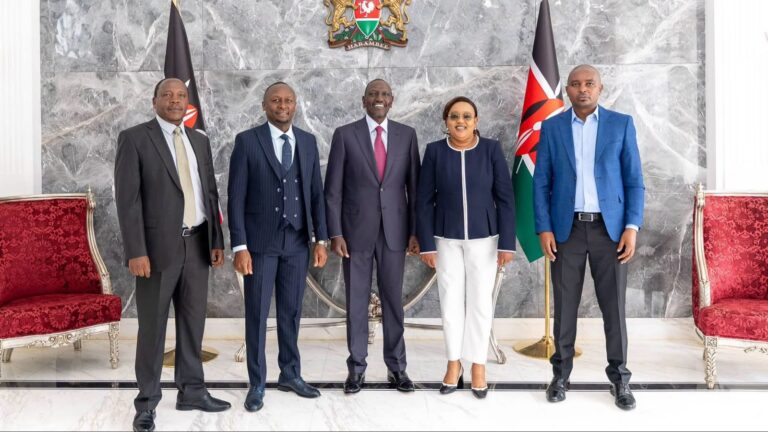
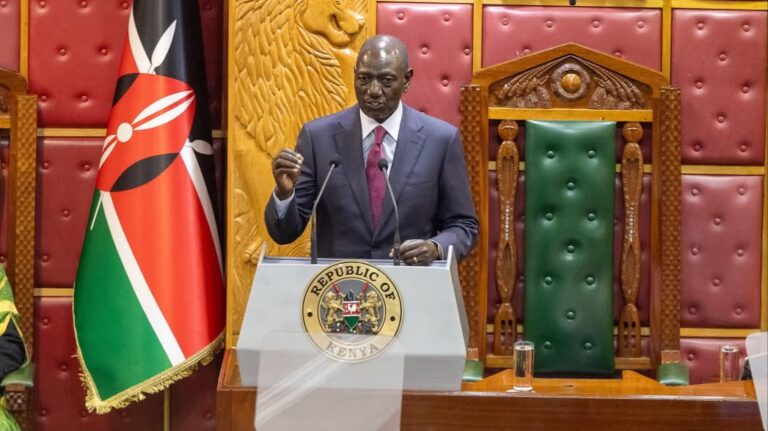

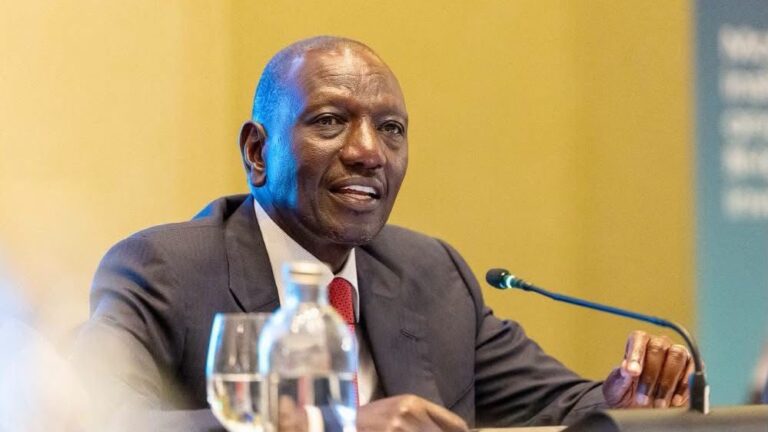
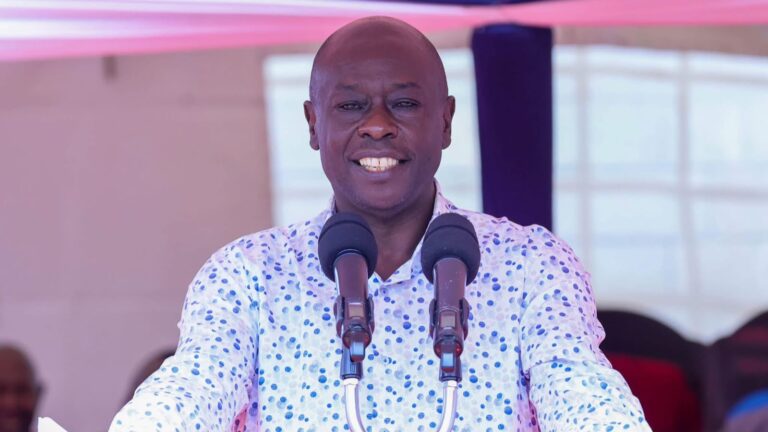

Opposition figures also questioned the findings, although from a different perspective. Wiper spokesperson Ndegwa Njiru dismissed any survey placing Ruto above 15 per cent as “a paid-up fabrication”.
Alego Usonga MP Samuel Atandi also questioned Sifuna’s presidential ambitions, saying, “If that kid is the one competing [with] President William Ruto, you know very well William Ruto is going to come back”.
In rejecting the poll, Sifuna pointed to the June 2024 Finance Bill protests as evidence of what he described as the administration’s disconnect from public sentiment. The demonstrations, led largely by young Kenyans, forced the government to withdraw the controversial tax legislation.
“People forget the reason why people took to the streets that time: it was the arrogance of Ruto’s government. He refused to listen to the views of the people about the Finance Bill,” Sifuna said.
The senator has declared his intention to contest the presidency in 2027 under the Linda Mwananchi banner, placing him among several opposition figures seeking to challenge Ruto.
Other potential contenders include Kalonzo Musyoka, Fred Matiang’i, Rigathi Gachagua and Martha Karua.
Despite Sifuna’s rejection of the TIFA findings, the survey placed him as the highest-ranked opposition figure in the presidential preference results, a finding that has drawn reactions from government allies and rival opposition camps.
TIFA cautioned against interpreting the results as an automatic indication that opposition supporters would unite behind Sifuna. The research firm noted that the combined support for opposition figures would not necessarily translate into a single presidential candidate.
“If these popular figures/rankings persist, Sifuna’s status as the potential single/united Opposition candidate – if there is one – will have to be acknowledged,” the research firm stated.
Sifuna maintained his position on the survey, insisting that the ballot box would ultimately determine the level of support enjoyed by the presidential candidates ahead of the 2027 General Election.
