


The European Union and Kenya have successfully concluded negotiations on a mutual data adequacy arrangement, paving the way for Kenya to become the first African nation to secure such a pact with the bloc.
The announcement, made on Monday following a bilateral meeting in Brussels, marks a significant milestone in digital trade relations and is expected to unlock investment opportunities in Kenya’s technology and business services sectors.
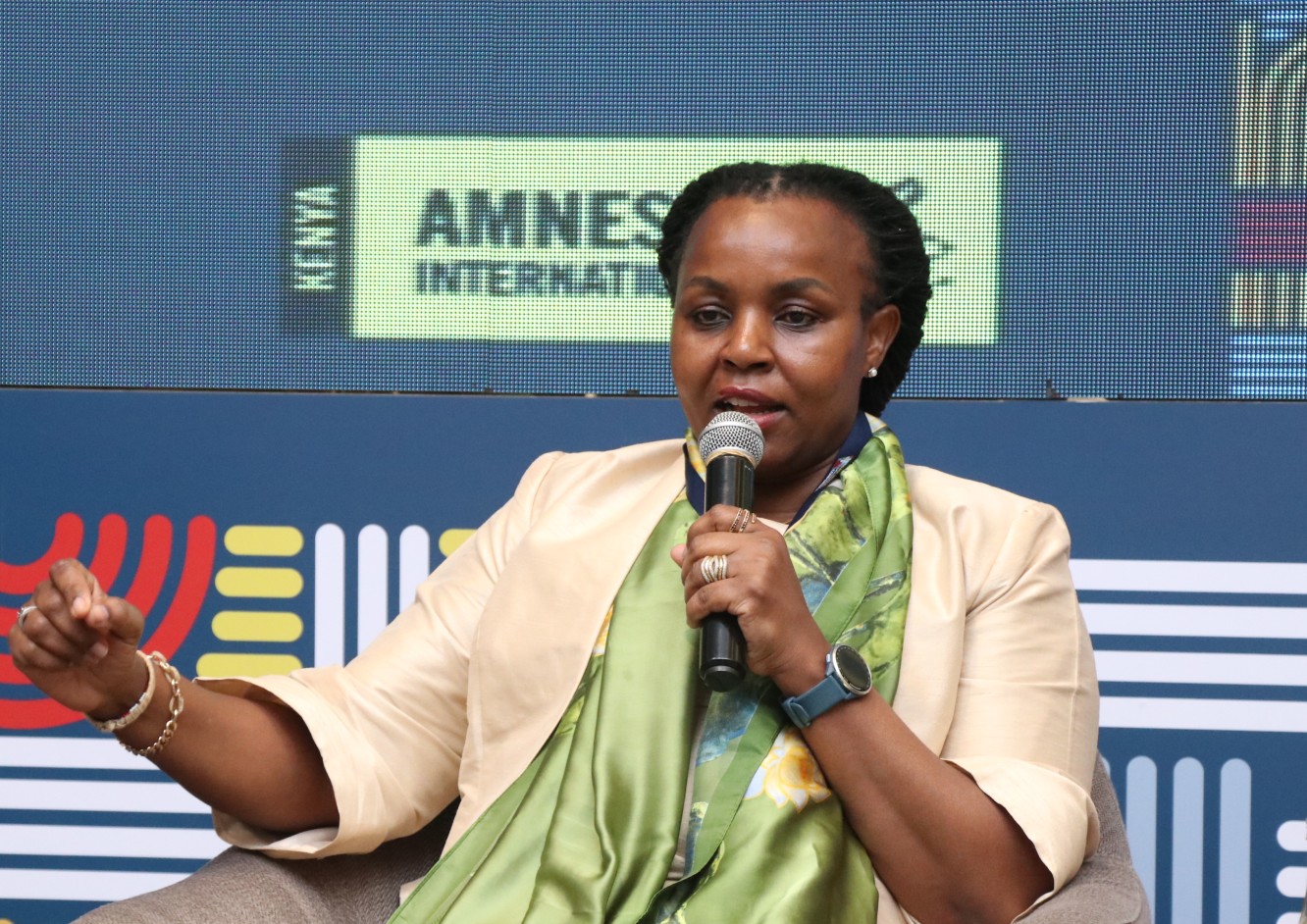
The breakthrough was confirmed in a joint statement by European Commissioner for Democracy, Justice, the Rule of Law and Consumer Protection, Michael McGrath, and Kenya’s Data Commissioner, Immaculate Kassait.
The negotiations, which commenced in 2024, involved the Office of the Data Protection Commissioner Kenya (ODPC) and the European Commission’s Directorate-General for Justice and Consumers.
The commissioners described the conclusion of negotiations as an important step in strengthening cooperation between the two jurisdictions.
“This meeting today marks an important step forward in the strategic collaboration between the EU and Kenya,” the joint statement read. “Once adopted, the mutual adequacy arrangement would establish a comprehensive area of free and safe data flows between the two jurisdictions”.
A data adequacy decision is a formal finding by the European Commission that a third country offers a level of personal data protection essentially equivalent to that provided under the EU’s General Data Protection Regulation (GDPR).
Once in force, the arrangement would allow personal data to flow freely from the EU to Kenya without requiring additional contractual safeguards, such as Standard Contractual Clauses (SCCs), which can be costly and administratively burdensome for businesses.
For Kenya, the conclusion of technical negotiations represents the culmination of efforts that began with the enactment of the Data Protection Act in 2019. The country has since worked to align its regulatory framework with international standards.
Commissioner McGrath and Commissioner Kassait acknowledged the progress made in bringing the two regulatory systems closer together, noting “the convergence between the two systems”.
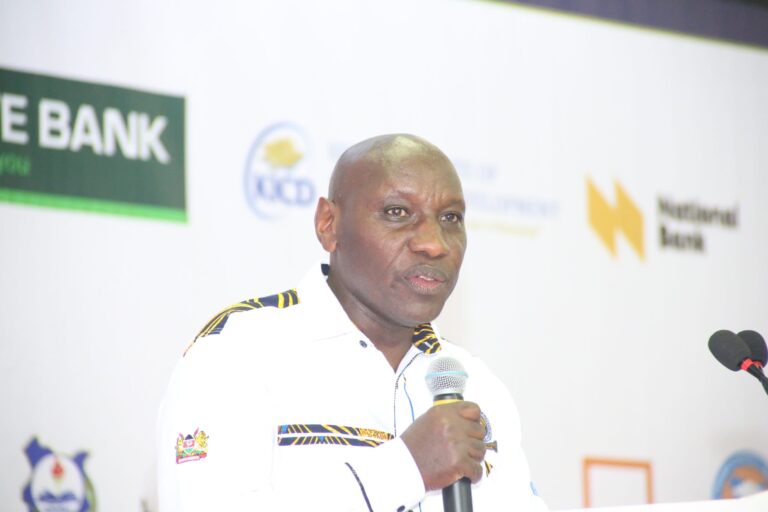
Principal Secretary for ICT and the Digital Economy John Tanui, who witnessed the reading of the joint statement in Brussels, described the development as a major milestone for Kenya’s digital economy.
“This is a historic moment for Kenya’s digital economy,” Tanui said. “The conclusion of technical negotiations will create opportunities for businesses in both markets to expand investments”.
The European commissioners also highlighted the potential economic benefits of the arrangement, particularly in research, outsourcing and digital services.
They noted that the agreement “would increase accessibility of data in a wide range of areas, including research, and unlock investment opportunities in Business Process Outsourcing and digital services exports”.








The commissioners further stated that the arrangement would “complement and amplify the benefits of the EU-Kenya Economic Partnership Agreement”.
The negotiations are the latest development in the expanding digital and economic relationship between Brussels and Nairobi. The groundwork was laid in May 2024 when the two parties launched the first-ever data adequacy dialogue on the African continent.
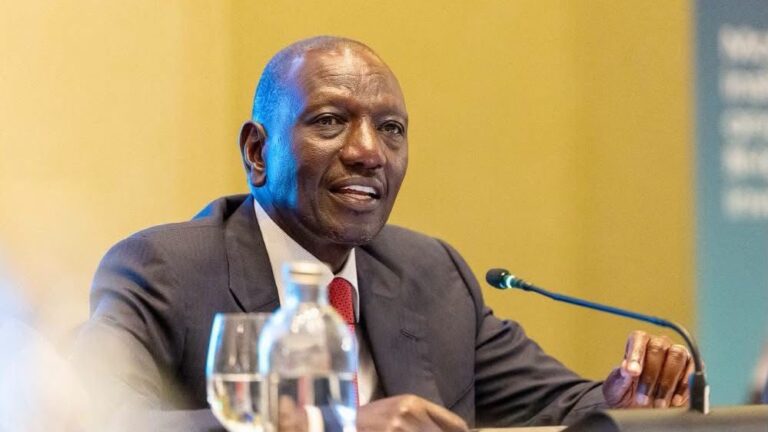
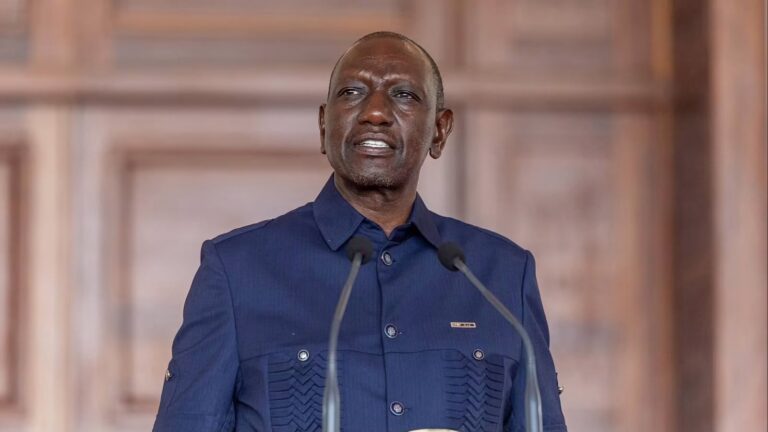
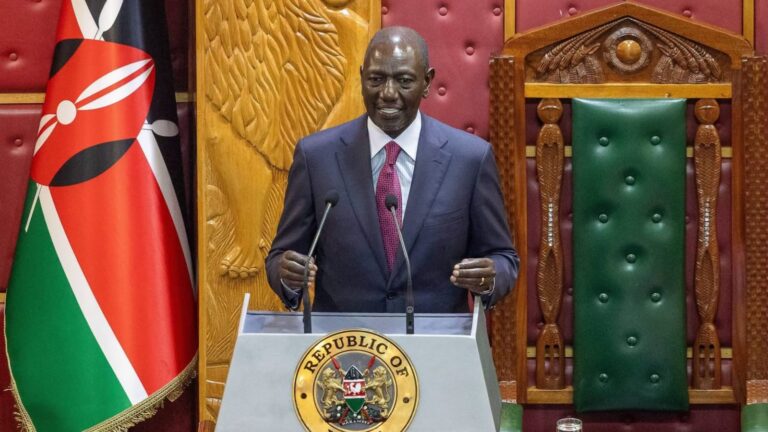
This was followed by high-level engagements, including President William Ruto’s visit to Brussels in June 2026, during which digital cooperation featured prominently.
Kenya’s push for data adequacy is closely linked to its ambition to become a leading Business Process Outsourcing (BPO) and digital services hub.
The country has been positioning itself as a trusted destination for European companies seeking nearshoring alternatives, with data protection compliance forming a key part of its strategy.
The EU has supported these efforts through initiatives such as the Digitalisation for Development (D4D) Hub, which has worked to strengthen Kenya’s data protection framework and bring it closer to European standards.
The conclusion of negotiations also comes as outgoing Data Commissioner Immaculate Kassait receives international recognition for her work in data protection and regulatory cooperation.
During the same week, Kassait was awarded the Giovanni Buttarelli Award 2026 at the Global Privacy Assembly in recognition of her contribution to international regulatory cooperation. The recognition came towards the end of her six-year term, during which Kenya established a dedicated data protection regulator and advanced discussions towards EU adequacy.
Despite the successful conclusion of negotiations, the arrangement is not yet operational. Both the European Commission and the Office of the Data Protection Commissioner must now undertake their respective formal processes before the agreement can take effect.
On the EU side, the process involves the preparation of a draft adequacy decision by the European Commission, an opinion from the European Data Protection Board (EDPB), a vote by representatives of member states and final adoption by the College of Commissioners.
Kenya is also expected to reciprocally recognise the EU under its own legal framework. Until the required steps are completed, businesses must continue using existing safeguards when transferring personal data between the two jurisdictions.
Once adopted, the adequacy arrangement will be subject to periodic reviews, typically every four years, to ensure that the required data protection standards remain in place.
