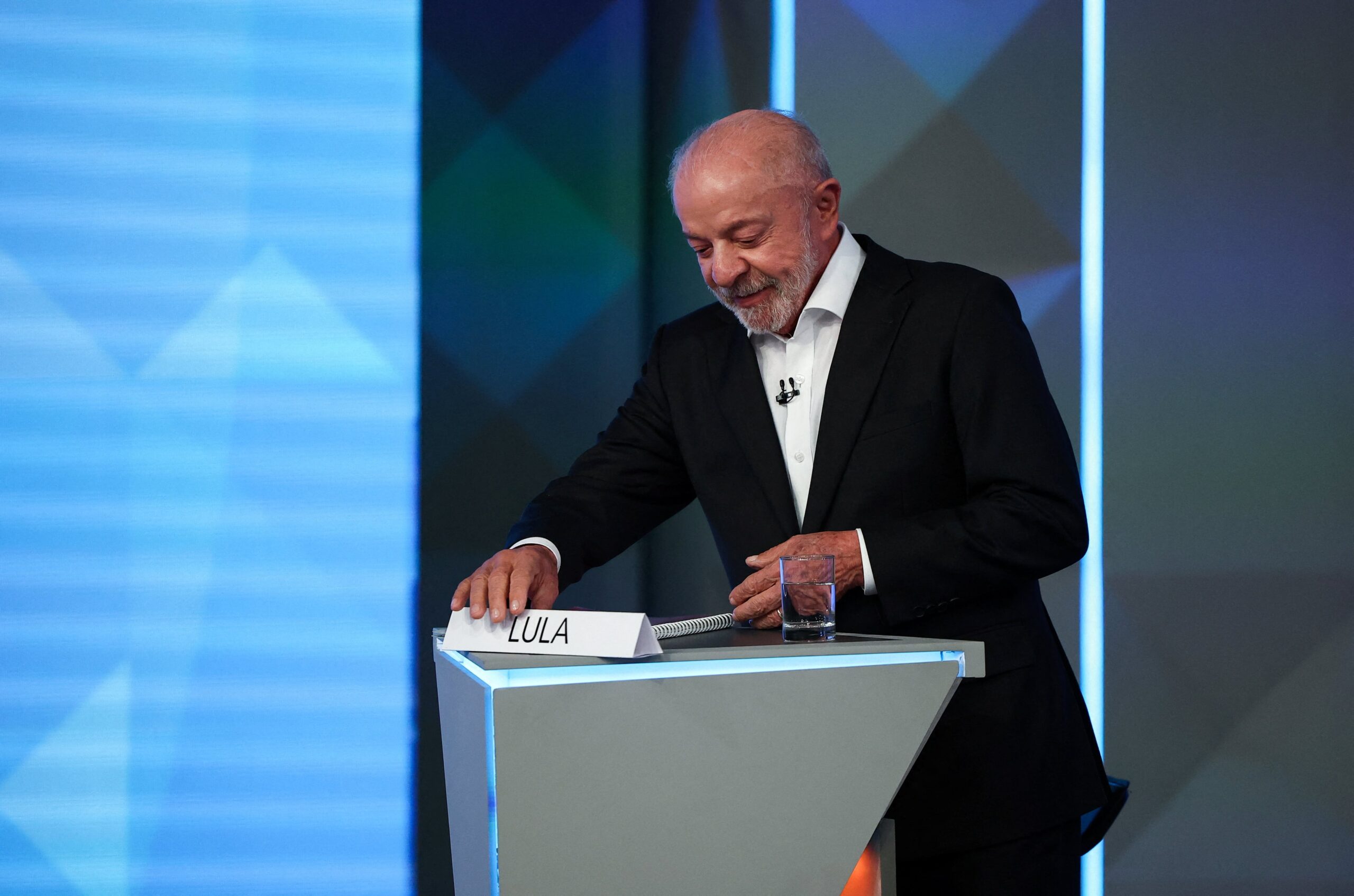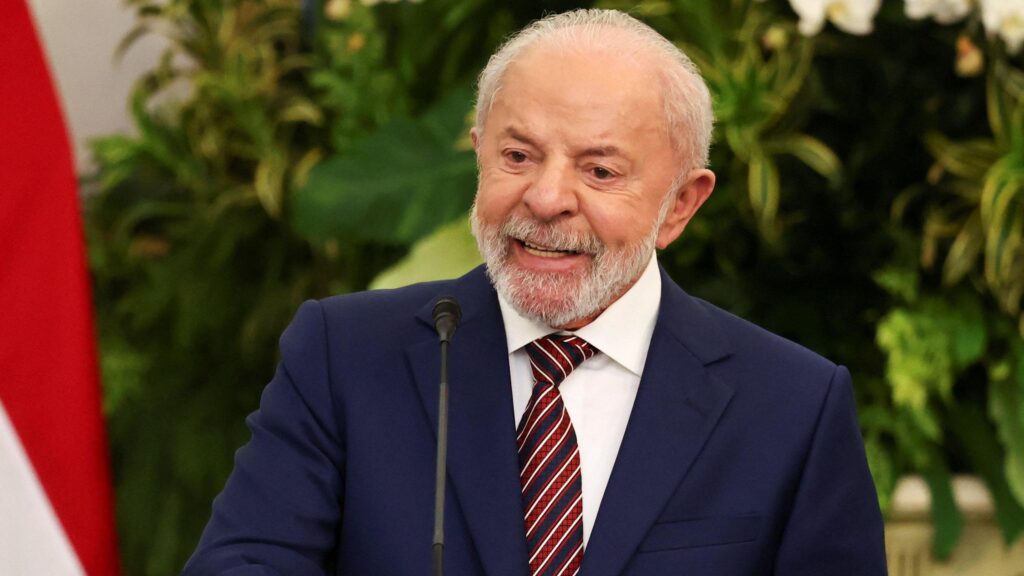
Luiz Inácio Lula da Silva has just done something no Brazilian president has ever done before: win a fourth term in office. At nearly 81 years old, the former metalworker and union leader defeated Flavio Bolsonaro in a razor-thin runoff on October 25, 2026, cementing his status as one of the most consequential and polarizing political figures in modern Brazilian history.
The victory is remarkable not just for its historic nature, but for the arc it completes. Lula rose from abject poverty in the arid northeast to the presidency, presided over an economic boom that lifted tens of millions out of poverty, was jailed on corruption charges that were later annulled, and then returned to power twice.
From poverty to Brazil’s presidency
Lula was born in October 1945 in Brazil’s impoverished northeastern state of Pernambuco, the seventh of eight children in a family of illiterate farmers. The family migrated to São Paulo when he was a child, and Lula’s formal education ended early.
He worked as a shoeshine boy and peanut vendor before becoming a metalworker, a job that cost him a finger in a workplace accident in the 1960s.
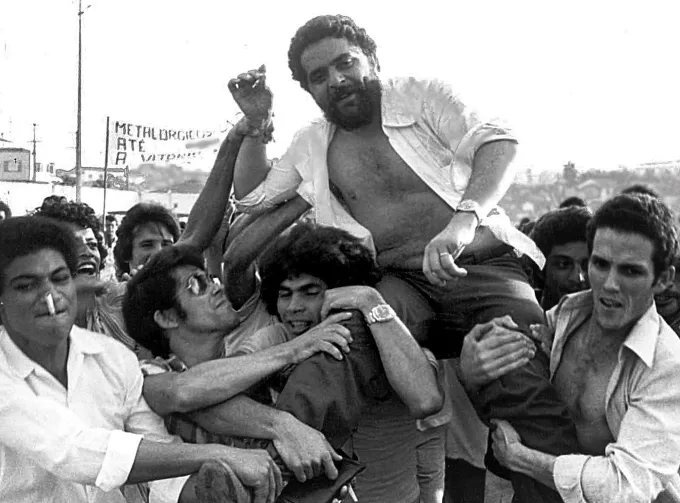
It was in the union movement that Lula found his political voice. In the early 1970s, he emerged as a prominent trade union leader, becoming a leading figure in the struggle against Brazil’s military dictatorship. In 1980, he co-founded the Workers’ Party (PT), the political vehicle that would carry him to the heights of power and, later, to prison.
After three failed presidential bids, Lula finally won in 2002, becoming Brazil’s first president from a working-class background. He was re-elected in 2006. His flagship Bolsa Família cash transfer programme became one of his most enduring legacies, helping lift millions of Brazilians out of poverty during a commodity-driven economic boom.
When he left office in 2010, his approval ratings were exceptionally high, and he was widely regarded as one of the world’s most popular leaders.
Corruption case, prison and political comeback
Lula’s political fortunes took a dramatic turn with Operation Car Wash, a sweeping anti-corruption investigation that reshaped Brazilian politics. He was investigated, convicted and imprisoned in 2018 over charges linked to a triplex apartment in Guarujá and a country house in Atibaia.
The convictions barred him from contesting the 2018 election, which was won by Jair Bolsonaro, the former army captain whose rise was fuelled by public anger over corruption scandals and dissatisfaction with the Workers’ Party and the wider political establishment.
Lula spent 580 days behind bars. However, in March 2021, Brazil’s Supreme Federal Court annulled his convictions on procedural grounds, ruling that the cases should not have been tried in the federal court in Curitiba. The court later found that the lead judge, Sergio Moro, who subsequently became Bolsonaro’s justice minister, had been biased.
The annulment did not amount to an acquittal on the merits of the allegations. Instead, the convictions were overturned on procedural grounds, and the statute of limitations has since expired.
The ruling cleared the way for Lula’s political comeback. In 2022, he defeated Jair Bolsonaro by a narrow margin, becoming the first Brazilian president to be elected to three terms by popular vote. However, his return to office came as the country remained deeply divided, with a Congress more conservative than any he had previously faced.
How Lula won a fourth term
The 2026 election was closely contested. Lula trailed in the first round, finishing behind Flavio Bolsonaro, Jair Bolsonaro’s son and political heir, before gaining ground in the runoff.
He ultimately won with 51.75% of the vote, according to official electoral authority figures. The narrow margin highlighted how divided Brazil remains over Lula’s leadership and the country’s political direction.
The campaign was bitter and deeply personal. Lula presented the contest as a defence of democracy against the return of the far right. His opponent’s camp focused on corruption allegations involving Lula’s family, particularly his son Lulinha, as well as lingering questions from the Operation Car Wash era.
During one debate, Lula challenged Flavio to open his bank records, while Flavio raised allegations against Lulinha. A fabricated cover of the newspaper Folha de S. Paulo, which purported to show Lula’s bank statement, later circulated widely online before being debunked as AI-generated.
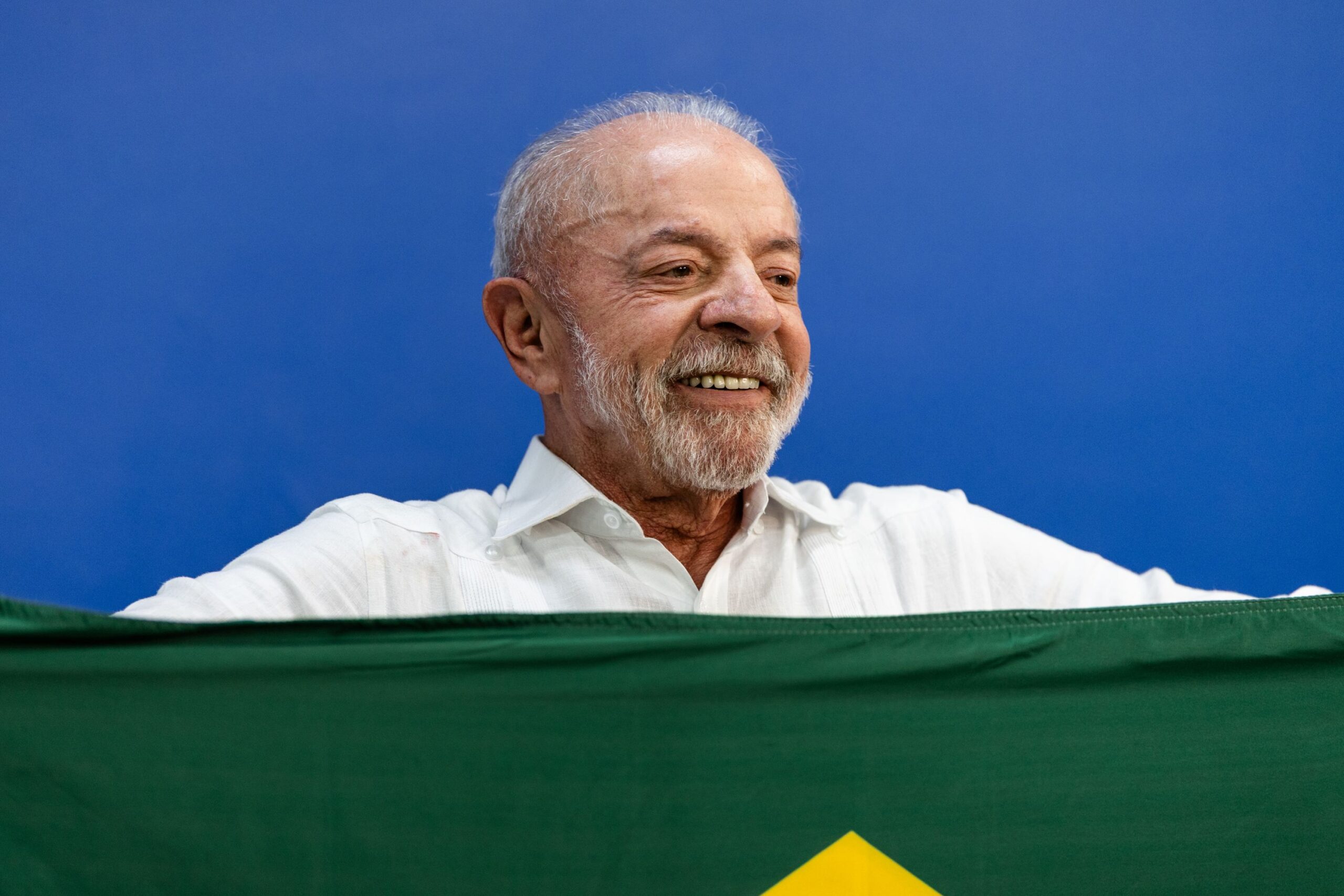
In his victory speech, delivered first at a hotel in São Paulo and later before a crowd on Avenida Paulista, Lula combined defiance with emotion. He thanked his supporters and, at one point, asked them to sing the Hymn of Independence.
He also criticised what he described as foreign interference and the role of digital platforms in influencing the election.
“It’s an election in which we had to overcome interference from outside, through digital platforms, which we will have to regulate,” Lula said. “It is not possible that we are not aware that crime in the digital world has to be treated the same as crime in real life.”
 Who is Alice Huang? The Woman at the Centre of Nvidia CEO Jensen Huang Intelligence Allegations
 Six Dead, 15 Injured After Gunman Opens Fire in Poland’s Krakow
 Paraguay President Quits as Ruling Party Withdraws Support Amid Banking Scandal
 JD Vance Blames Israel War for Election Losses, Warns Party Against Ignoring Voters


Lula also pledged to increase public participation in government, saying the election had taught him an important lesson about listening to ordinary Brazilians.
“I learned, in this second round, the great lesson of my life,” he said. “When the ruler doesn’t know what to do, he asks his people, and his people will know how to teach him what he has to do.”
Lula’s record: Gains and criticism
Lula’s third term, which ran from 2023 to 2026, was shaped by what his supporters described as a programme of reconstruction following Bolsonaro’s presidency.
His government restored participatory councils that had been dismantled, authorised tens of thousands of new civil service positions and sought to rebuild Brazil’s international standing. The country presided over the G20 in 2024 and hosted COP30 in Belém in 2025. Amazon deforestation also fell to its lowest recorded levels, while the demarcation of Indigenous lands resumed.
However, his record has also attracted criticism.
Human Rights Watch said ahead of the runoff that while Lula had supported democratic institutions and made important progress in protecting forests and local communities, his administration had delivered mixed results in other areas.
Police killings reached a record 6,589 people in 2025, disproportionately affecting Black Brazilians. The organisation also criticised Lula’s support for trying 16- and 17-year-olds as adults for certain serious crimes, arguing that the proposal violated international law.
Economically, Lula’s government pointed to low unemployment and falling inflation as signs of progress. However, public debt remained a concern, with high interest rates costing the government around $18 billion a month.
His approval ratings also fluctuated throughout the campaign. A Quaest poll published a day before the runoff showed 48% approval and 45% disapproval, while an AtlasIntel poll put disapproval at 50.8%, compared with 47.9% approval.
The figures reflected a country that remained divided over Lula’s leadership, even as voters returned him to office.
Age, personal story and questions about his successor
Lula turned 81 the day after his reported election victory. Questions about his age featured throughout the campaign, prompting him to highlight his exercise routine and appear in videos aimed at connecting with voters online.
He also bought a cellphone for the first time and began posting selfie videos, embracing a more direct approach to communicating with an increasingly digital electorate.
His personal story remains central to his political appeal. In an interview with AFP in the interior of Maranhão state, fisherman Antonio Carlos Lima Ferreira recalled a time when he struggled to feed his family.
“Today, at my table, I can choose what I want to eat,” he said. “He has that love for the poor. That’s all it is.”
Yet Lula has acknowledged that he does not want his legacy to be defined solely by Bolsa Família. He has also failed to establish a clear successor, raising questions about the future of Brazil’s left-wing movement when he eventually leaves the political stage.
What Lula’s fourth term means for Brazil
For now, Lula remains at the centre of Brazilian politics. He is expected to be inaugurated on January 5, 2027, for a term that would bring his total time in office to an unprecedented 16 years across four non-consecutive mandates.
At a time when several countries in the region have shifted towards the right, Brazil’s reported election result would keep a left-wing government in power, with Lula continuing to serve as the leading figure of the country’s progressive movement.
“I want to make a commitment: I will give the best term a president has ever served,” he told supporters on election night. “I will dedicate myself 24 hours a day to making Brazil the country everyone dreams of.”