

Africa Eats Ltd., the Mauritius-listed permanent capital vehicle focused on Africa’s food and agriculture supply chains, reported a profit of $1,455,556 for the quarter ended June 30, 2026, more than double the $511,999 recorded in the prior quarter, according to the company’s abridged unaudited results released August 10.
The results, which cover the period Africa Eats internally tracks as its second quarter but which the company’s investor communications sometimes reference alongside Q3 portfolio activity, also showed total assets rising to $35.7 million from $34.2 million at the end of March. Shares of EATS closed the quarter at $3.00, up 4.9% from $2.86 at the end of Q1.
The profit figure represents a significant sequential improvement for the holding company, which invests in and helps scale small and medium-sized food and agriculture businesses – which it calls “bizi” – across Sub-Saharan Africa.
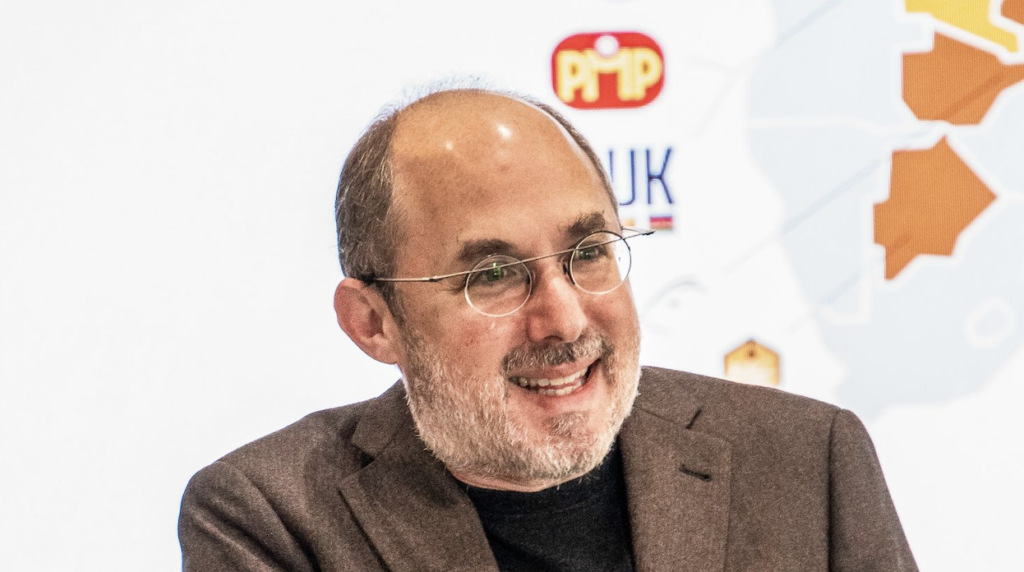
“The $3.00 mark is more than a share price. It is a signal that patient, permanent capital can work in African food and agriculture,” said Luni Libes, CEO of Africa Eats. “When we incorporated in July 2020 at $1.00 per share, the skeptics said the model was too illiquid, too unconventional, too African. Six years later, we have tripled our initial shareholders’ value while our bizi have grown revenues and deepened their impact with smallholder farmers.”
That tripling milestone was first reached on June 17, when EATS shares traded at $3.00, a 3x return from the company’s founding share price.
Libes noted in the Q2 investor report that such a return, if achieved by a traditional 10-year venture fund, would rank in the top decile – but emphasized that Africa Eats is not a fund but a liquid, publicly listed investment company.
Africa Eats was founded in July 2020 with a model that blends venture capital, business acceleration, and the permanent-capital philosophy of Berkshire Hathaway.
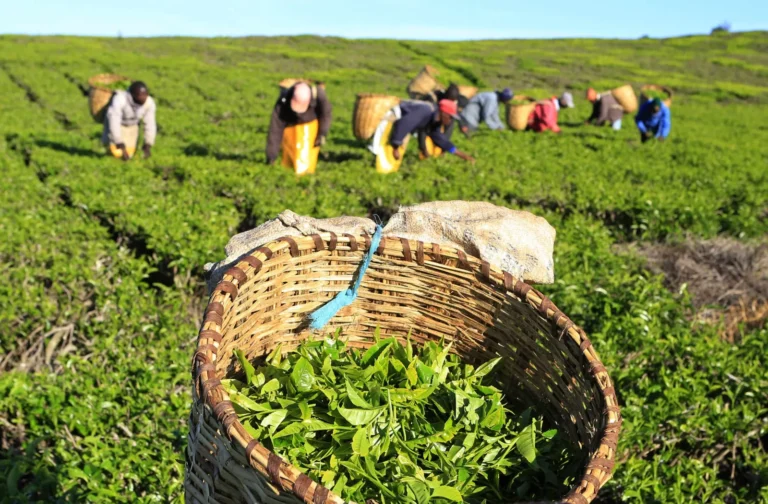
It invests in profit-seeking SMEs that aggregate from smallholder farmers, process agricultural goods, and distribute food products – businesses that Libes has described as “boring businesses” that nonetheless compound.

The portfolio is organized by revenue scale. Publicly listed holdings include Ziweto Enterprise, Malawi’s largest agrovet chain, and Paniel Meat Processing, which distributes beef, pork, and chicken across East and Central Africa.
Companies with annual revenues above $1 million include East Africa Foods, TRUK, Swahili Honey, Goldenpot, and Amuria Honey, among others.
The company’s model has attracted attention beyond Mauritius. In early 2026, Africa Eats was working toward launching an exchange-traded fund on the Nairobi Securities Exchange, bundling its shares with those of portfolio companies already listed in Mauritius.



The ETF was positioned as a way to give Kenyan and East African investors single-instrument exposure to the agricultural value chain.
“Our bizi do not need another consultant with a slide deck. They need working capital, logistics, and a buyer who pays on time,” Libes said. “That is what Africa Eats provides – and that is why a bakery in Nigeria and a honey aggregator in Uganda can both be part of the same compounding story.”
Two new portfolio companies joined Africa Eats in July 2026, weeks after the quarter closed: OKIN Kitchen and Bakery (OKB) and Movnn, both based in Nigeria.
OKB bakes bread, mills maize flour, processes cassava, and produces products from bambara nuts; it also holds rights to relaunch the OKIN biscuit brand that was a household name in Nigeria in the 1980s and 1990s. Movnn is a logistics company, only the second in the portfolio focused on distribution infrastructure rather than upstream food production.
The additions expand Africa Eats’ geographic footprint from eight to nine countries, the company said. Four new investee companies had been earmarked for 2026, with two of those investments completed in July.
The results come amid a broader revenue contraction at the holding-company level. Africa Eats reported revenue of $1.60 million for the quarter ending June 30, 2026, down 52.31% year-over-year, with trailing twelve-month revenue of $3.30 million.
The company’s revenue line reflects investment income and holding-company operations rather than the aggregate revenues of its portfolio companies, which are reported separately.
For Libes, the quarter’s significance lies less in the headline profit than in what it demonstrates about the model’s durability.
“We are not building a fund that exits in seven years. We are building a permanent home for African food businesses that need a patient partner,” he said. “The $3.00 share price says the market is beginning to understand that distinction.”
