

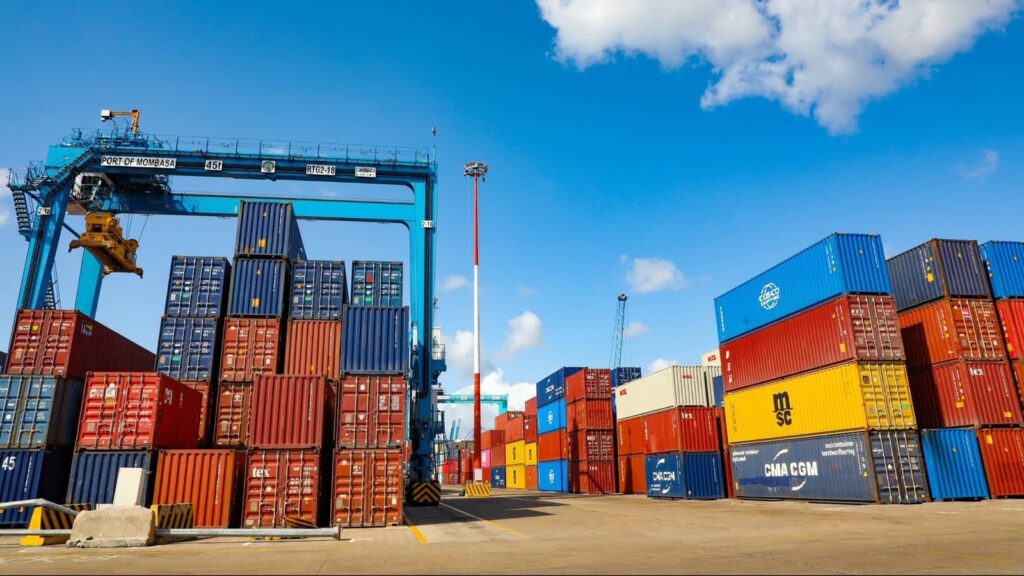
The Kenya Revenue Authority (KRA) has commenced the rollout of a new cargo tracking framework aimed at reducing operational delays, improving the availability of electronic seals and enhancing cross-border trade efficiency.
The Multi-Vendor User-Owned Electronic Seals Framework introduces a competitive model for supplying and managing electronic seals, commonly known as e-seals, used to monitor goods moving under Customs control.
The framework replaces the previous arrangement, which had relied on a single vendor to supply and manage the devices since 2017.
According to KRA, the transition follows consultations with industry stakeholders and seeks to address challenges experienced under the previous system, including shortages of electronic seals at cargo tagging points and the use of ageing devices that may not function optimally.
“Under the new framework, electronic seals will be owned and managed by vendors or users, depending on the commercial arrangements agreed upon between the parties,” the authority said.
The arrangement will allow users to select participating service providers and negotiate terms that suit their operational requirements, giving businesses greater flexibility in managing cargo tracking.

All electronic seals deployed under the new framework will be integrated with the East African Community (EAC) Regional Electronic Cargo Tracking System (RECTS).
The integration will enable KRA to maintain real-time monitoring and end-to-end visibility of goods moving under Customs control across the region.
KRA said the technology had significantly reduced incidents of cargo diversion, smuggling and theft, helping ensure goods reach their intended destinations securely and on time.









The multi-vendor model is also expected to improve the availability of electronic seals on demand, particularly at cargo tagging points, where shortages have contributed to queues and delays in cargo processing.
By allowing multiple providers to supply and manage the devices, the authority expects businesses to access electronic seals more easily, reducing interruptions to cargo movements.
The new framework is expected to improve cargo clearance and turnaround times by addressing device-related operational challenges. KRA said improved electronic seal performance would help minimise unnecessary tracking alerts and the enforcement interruptions associated with them.
For businesses involved in cross-border trade, fewer delays at cargo tagging points and more reliable tracking devices could support smoother logistics operations and more predictable cargo movements.
The framework also opens up the provision of cargo tracking solutions to greater private-sector participation, allowing vendors and users to agree on arrangements suited to their commercial needs.
However, KRA will retain its oversight role to ensure compliance with Customs requirements and safeguard the integrity of goods transported under Customs control.
The rollout marks a shift from the single-vendor model that has governed electronic seal provision since 2017 towards a more flexible system intended to improve service availability, operational efficiency and cargo security.
